The Historic T Lazy S Ranch of Nevada
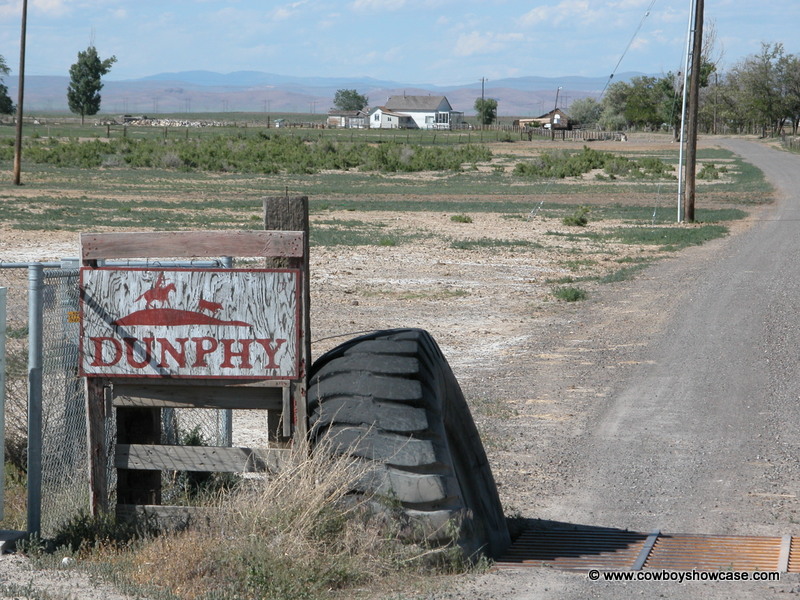
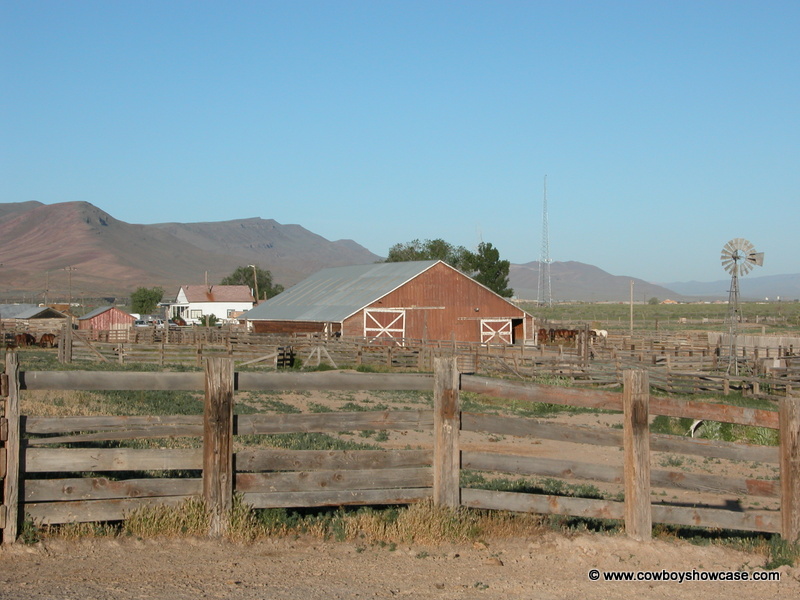
An Irish immigrant named William Dunphy founded the historic T Lazy S ranch, located in northern Nevada. At this ranch today, a blend of the old with the new is put into operation. This historic ranch is still run as a traditional “buckaroo cow outfit” while utilizing new technologies and advancements in managing land, livestock and wildlife.
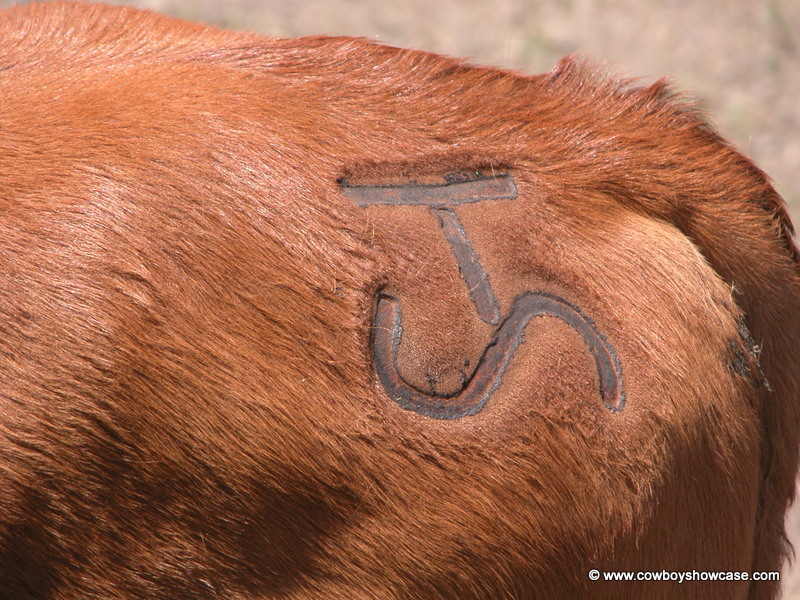
T Lazy S Ranch History This ranch is located in northern Nevada between the towns of Elko and Battle Mountain. William Dunphy and a partner by the between the towns of Elko and Battle Mountain. William Dunphy and a partner by the name of Hildreth came from California and began looking for business opportunities in Northern Nevada. They settled in Boulder Valley, near the present ranch headquarters, and turned their cattle herds loose on the “open range.” There were no fences in those days and the country was “open.” Dunphy and his partner began to develop, irrigate, and fence wild hay meadows. Throughout the 1870s these men expanded their cattle and hay operations. By putting together large blocks of government and railroad lands, they began to control vast amounts of open rangeland and wild hay meadows. In 1875 Dunphy and Hildrith were reported to run over 40,000 head of cattle in two areas. One herd was in TS headquarters). The other herd ranged in southwestern Idaho near the Snake River.hy continued to expand and improve his cattle operation. He “fenced up” oIn the late 1870s, Dunphy bought out Hildrith’s interest in the Nevada ranch. Dunphy continued to expand and improve his cattle operation. He “fenced up” over 20,000 acres where he developed and improved native grass meadows through irrigation. This was all done to put up hay for winter to feed the weaker cattle during the cold northern Nevada winters. This haying, irrigating, and fencing practice was new to Nevada at that time. Most cattle outfits wintered their cattle “outside” on the open range with no supplemental hay fed. Only the strongest cattle survived the tough Nevada winters Dunphy’s cattle herd continued to prosper until the terrible winter of 1889-90 when, despite the Dunphy ranch reserves of hay that had been cut and put up in stacks and fed with teams of work horses, over 10,000 head of cattle perished. Dunphy never “weakened” but launched into rebuilding his cow numbers that spring. He changed from Shorthorns to the Hereford breed of cattle during this rebuilding period. When Dunphy died in 1914, the ranch was running in excess of 20,000 head of cows under 23 different branding irons. The most widely known of the irons was the T Lazy S. It is thought that Dunphy acquired the T Lazy S brand, registered in 1873, from Hobert & Simonds of Elko County, Nevada. What this brand stood for has been lost in time. However, the ranch today is just called the TS because those who work there jokingly say “There is nothing lazy about this outfit!” each received a fourth of the balance. The ranch began to dwindle in size as portions of land were sold off by the Dunphy family. Since that time, what was left of the historic ranch has been owned by several individuals and corporations. The TS was purchased by Newmont Mining Corp in 1984. The purchase was primarily for mining access, mineral and water rights. Approximately 10,000 acres is used for gold mining purposes. The balance of the ranch is used for cattle grazing and raising irrigated alfalfa hay. Wildlife is also a major concern on this ranch. The TS is not just a cattle and hay ranch. With the parent company Newmont Mining as a partner, the ranch also focuses its efforts on enhancing wildlife habitat and improving water quality. 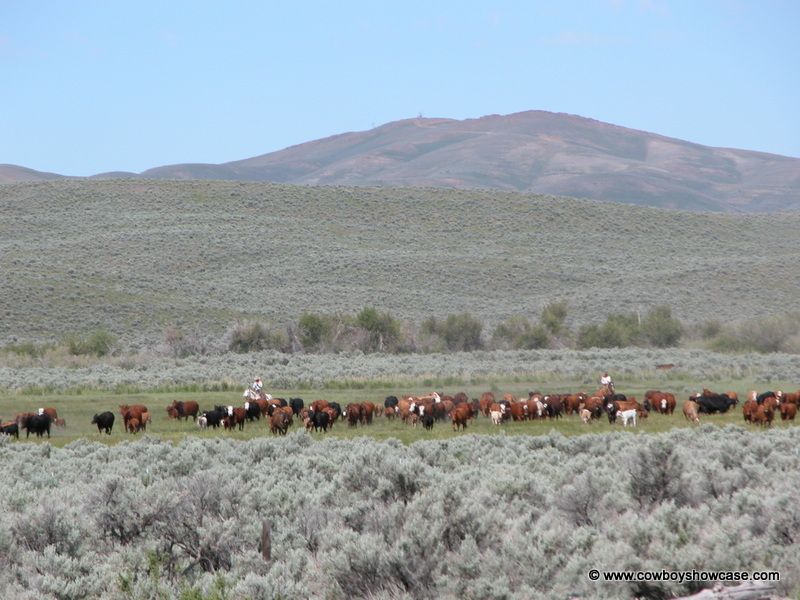
Ranch Personnel
Dan Gralian is the Manager of Agriculture and Ranching Operations, and has been at the helm since 1993. Under his supervision, there is a farm crew, a ranch crew, and a buckaroo crew. Manager Gralian says, “The key to running a ranch of this size is hiring good people and keeping them.” Twelve years ago, when he first took over as manager of the TS, the crew was mostly single men that liked to move around. Today, most of the twenty full time employees staffing the ranch are married, with families. Most of the seasonal employees remain single. All TS employees, both married and single, live on the ranch in housing provided by the Company. In the time-honored tradition of the Great Basin Buckaroo, the single members of the ranch crew and farm crew live in separate bunkhouses from the buckaroo crew. With the TS Ranch being owned by Newmont Mining Corp, the full time employees receive the same outstanding benefit package that the gold miners do. With complete medical, dental and life insurance, the crew also has a pension plan and can participate in a 401(K) savings program, with the Company matching the first six percent in Newmont stocks. Dan Gralian says that they may have the only buckaroos in the country “with a 401(K) Program, Pension Plan, and free membership to the local health club in Elko.” Dan says, “You need to have stability in your crew.” This all sounds good but how do you accomplish this task? Gralian continues, “If you are looking for longevity in your employees then you need to recruit, interview, and hire people that are stable and interested in a long term commitment “If you are going to keep good people, than you have to treat them right.” Dan says “Once you have hired a good employee, you need to keep him and there are four essential ingredients in keeping good employees:” 1- They must have Self Respect. 2- Employees should receive a livable wage and be able to support their family. 3- They should have decent housing or living quarters. 4- They need to have adequate time off, away from their job. The TS Ranch is managed and run by “real people” with family values and a sense of tradition. 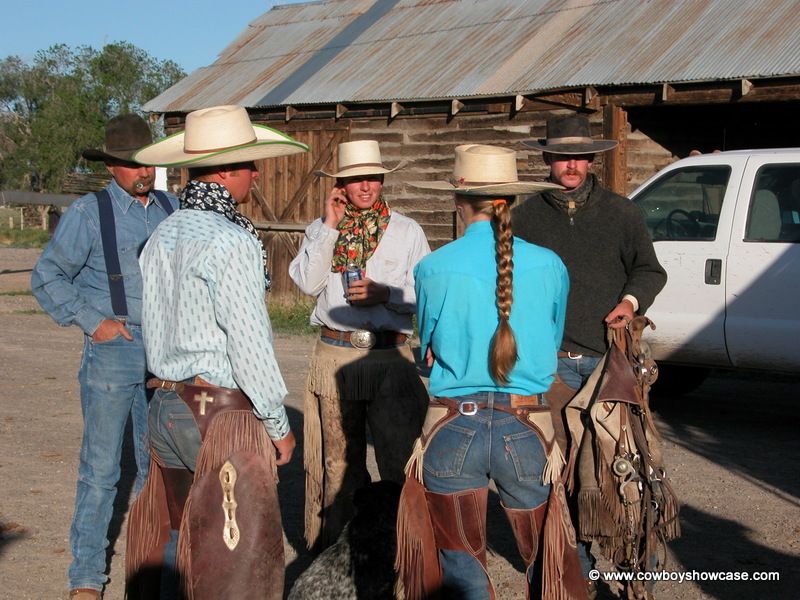
The Buckaroo Crew
The buckaroo crew is run by cowboss Doug Groves. Doug’s crew is responsible for the care and welfare of 4,000 cows, 180 bulls, 500 replacement heifers, and, at times, several thousand yearling cattle run on irrigated pasture. Doug has been in this position since 1993. He was born and raised in Elko, Nevada. Although Doug grew up living in town, all he ever wanted to be was a Great Basin buckaroo. Doug is living his dream. He is also an accomplished rawhide braider. His rawhide work is much sought after and he has taught several rawhide braiding classes at the Elko National Poetry Gathering. Doug says “Everything we do with cattle on this ranch we do horseback. Cattle walk everywhere they go.” This sounds like a romantic way to make a living until you realize how big 400,000 acres really is. That figures out to be a whole bunch of horse tracks made on the old TS in a year’s time. Doug and his family, along with his buckaroo crew of 5 to 6 men, live several miles east of the headquarters at the Dunphy Ranch. Most of Doug’s crew is made up of single buckaroos. Gabe Williams, the leadoff man, is married with a family and has been with the ranch several years. 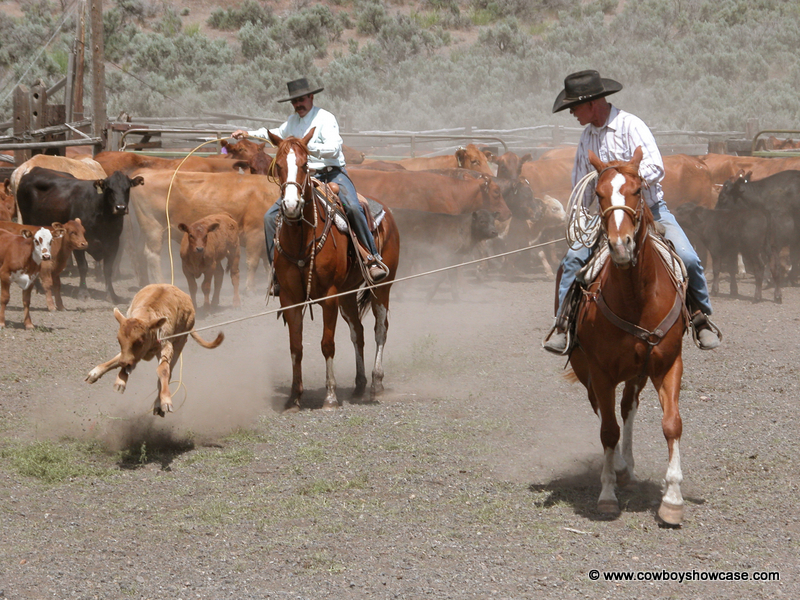
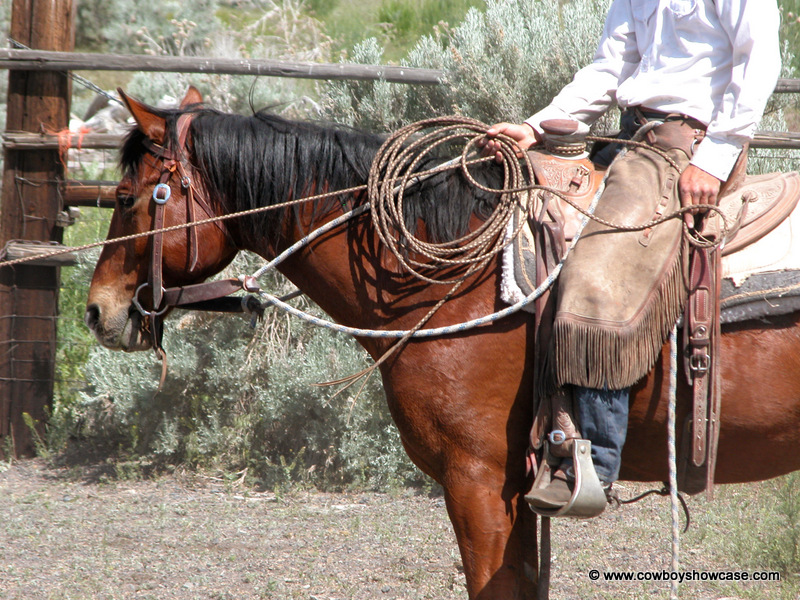
Doug and his crew start their replacement colts at the Dunphy buckaroo camp each year. A “cavvy” of 75 horses is kept at the Dunphy camp. Each buckaroo is assigned 5 to 7 horses for his “string” of saddle horses depending upon the season and work. These horses are selected by the cowboss and are assigned as to each man’s ability. In this string of horses each man will have a “big circle” horse or two to gather cattle outside on. He will also have an “inside horse” to brand calves on in a small branding trap. There will be a young horse or two in the string that need to be used for some of the easier circles. Each buckaroo is held responsible for shoeing his own string of horses. Most of the younger horses are ridden with a snaffle bit and McCarty set up. When they have more experience, some of the horses are moved up to the “two-rein” in preparation to making a “straight-up bridle horse.” Dan Gralian says this about buckaroos, “You sure enough need stability in your buckaroo crew – But you still need the “young guns” that are fearless on horseback. The kind that will take off after a cow breaking away from a “rodear” going 90 through the sagebrush, dodging badger holes and such, take their rope down, catch her and hold her.”
A typical yearlong cycle here on the TS goes this way:
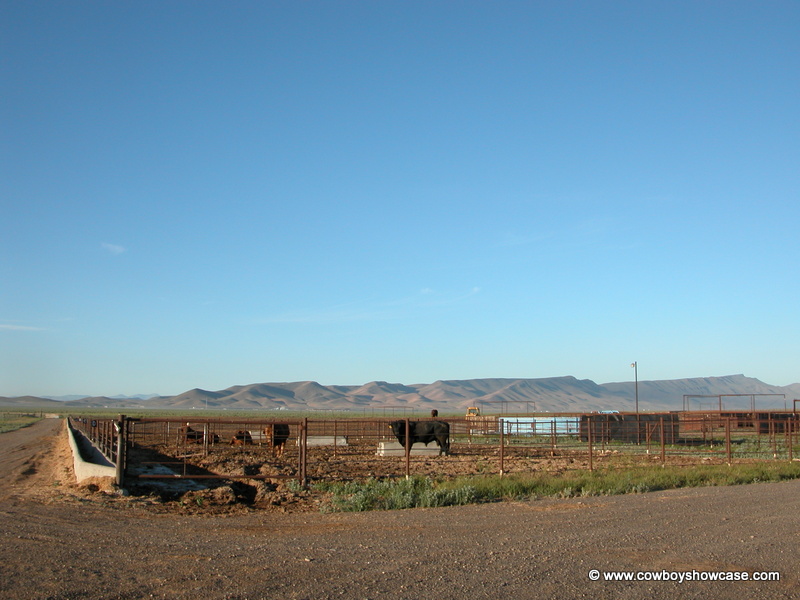
We begin calving in March. We calve outside, unassisted, in big pastures where the cattle can remain free of sickness and disease. We are about 95% “branded up” by mid-July. We wean in October. We place the weaned calves in our 4,000 head “warm up” feedlot here on the ranch. The ranch, using excess water from the gold mining de-watering operations, has approximately 6,000 acres of farm ground, under pivot sprinkler irrigation. Mostly alfalfa hay is grown, along with some barley, which is used in the cattle-feeding program at our feedlot. The calves weigh between 450 to 500 pounds at weaning. After weaning they are vaccinated and sorted into contemporary groups by sex, size and color. The calves are placed on a “grower” ration. The buckaroo’s “ride pens” daily and doctor any sick calves they may find. This 60-day warm up or “Back-grounding Program” is designed to grow the weaned calves out to around 600 to 650 pounds. The calves are “bunk broke” and free of any sickness or disease. We sort off the replacement heifers and sell the balance of the calf crop on the video auction for December delivery. These “six weight” calves are purchased by buyers who place them in “finishing” feedlots located closer to the grain belt, where they are grown and fattened to a finish weight of 1,200 pounds. By Christmas, our calves are gone and the feedlot is shut down. Our cowherd is out on winter pasture, where they will remain until we run out of grass or we are “snowed under”. We will than gather them to the feed grounds and feed them until spring grass, which generally comes sometime in March. We are calving again by then and thus the start of another cycle. 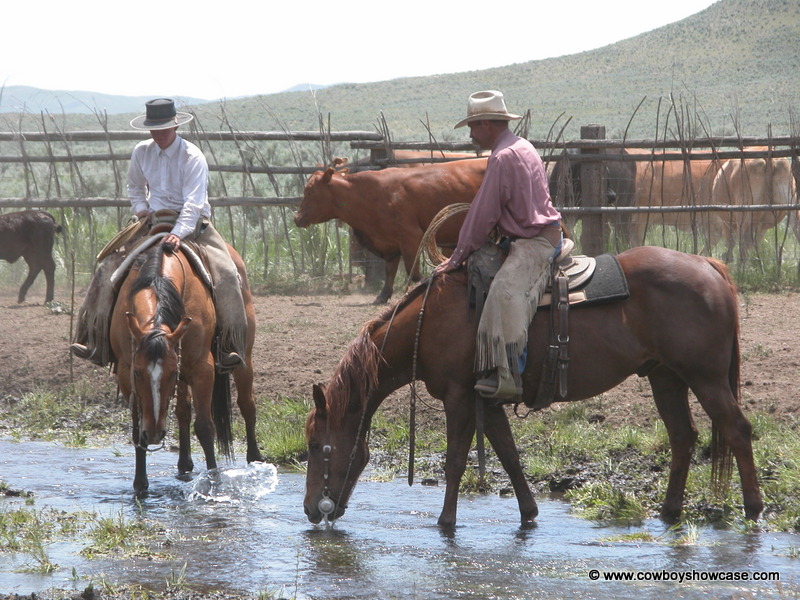
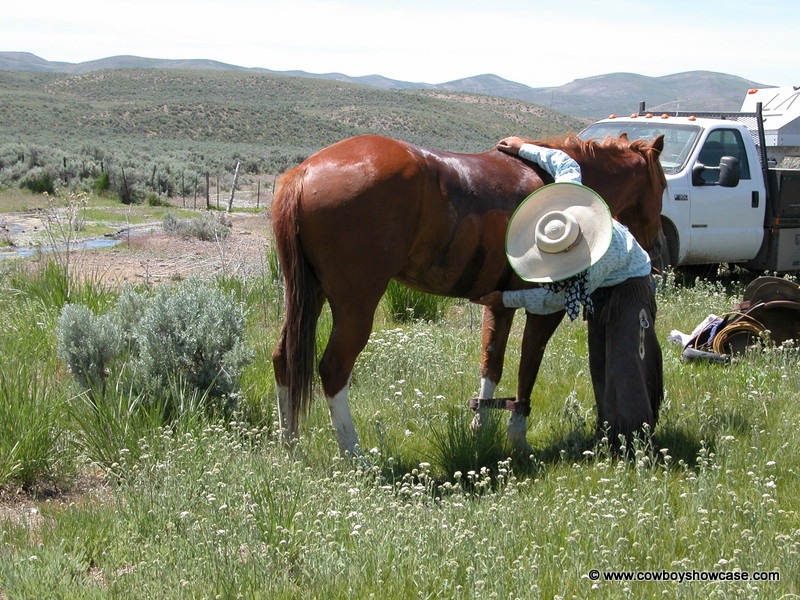
Riparian Rider The TS Ranch places major emphasis on the preservation and enhancement of wildlife and habitat. One practice on the TS Ranch that illustrates their careful stewardship of the land and range is use of a “Riparian rider.” The ranch places a rider with the cattle during the summer grazing season. Dallas Kelley, TS buckaroo, right in the photo above, and his colts camp out with the cattle during the summer months. His job is to ride the riparian areas (areas adjacent to streams or springs) and keep the cattle from ”kegging up” (staying too long) on these areas. When you have large numbers of cattle, concentrating on a small piece of country with limited water supply, you can have problems. The key to grazing riparian areas is timing and level of usage. Cattle come down from the upper levels of rough canyons to get a drink. Dallas gives them adequate time to drink, then rides into the cattle, and heads them back to the upland country. Cattle soon learn that when a horseback rider shows up, it is time to leave the water and look for grazing elsewhere. This program is a double win situation for the TS Ranch, since Dallas is putting needed miles on the colts and controlling cattle usage on the riparian areas at the same time. 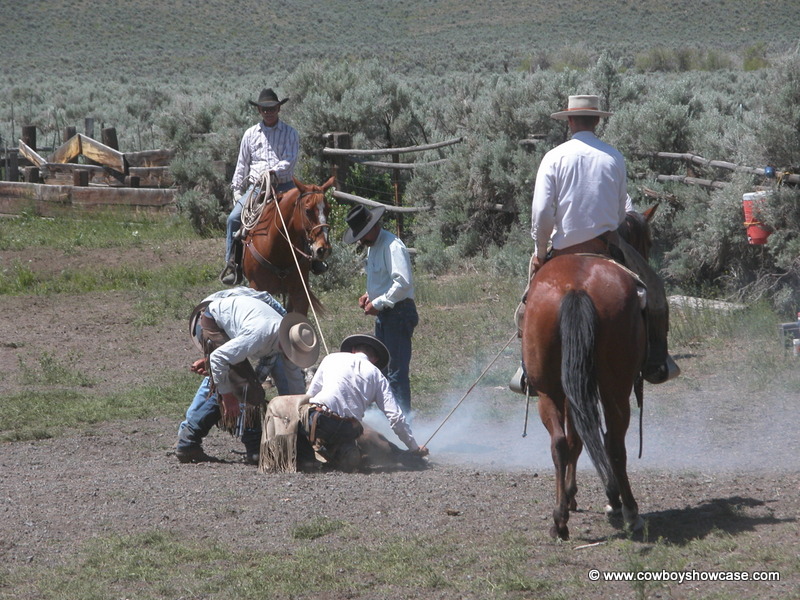
Branding Season
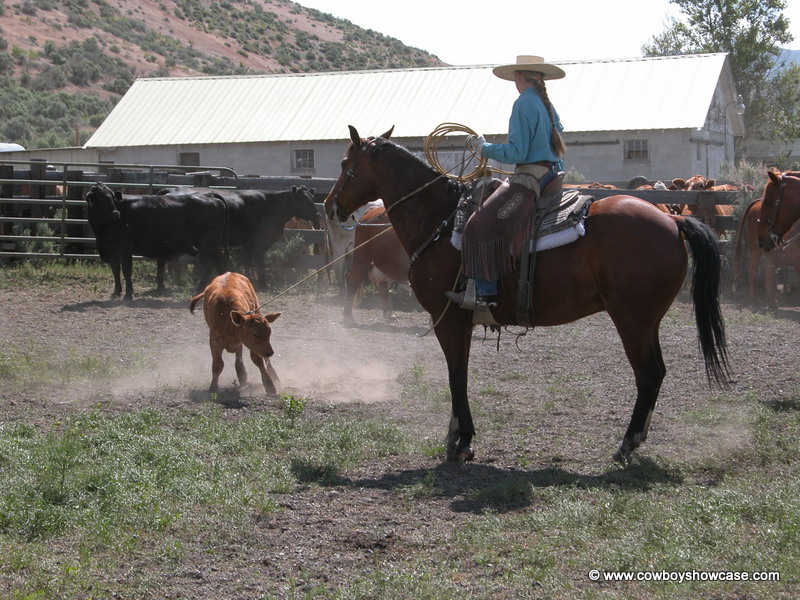
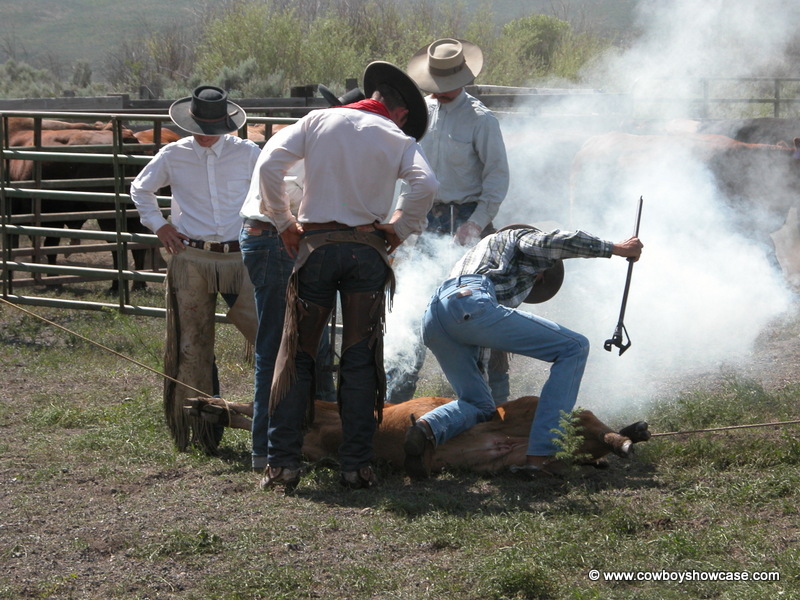
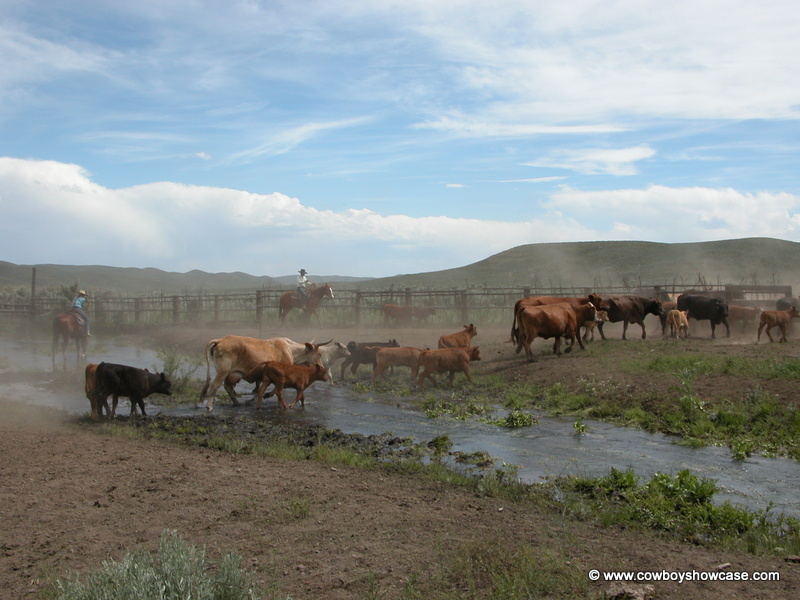
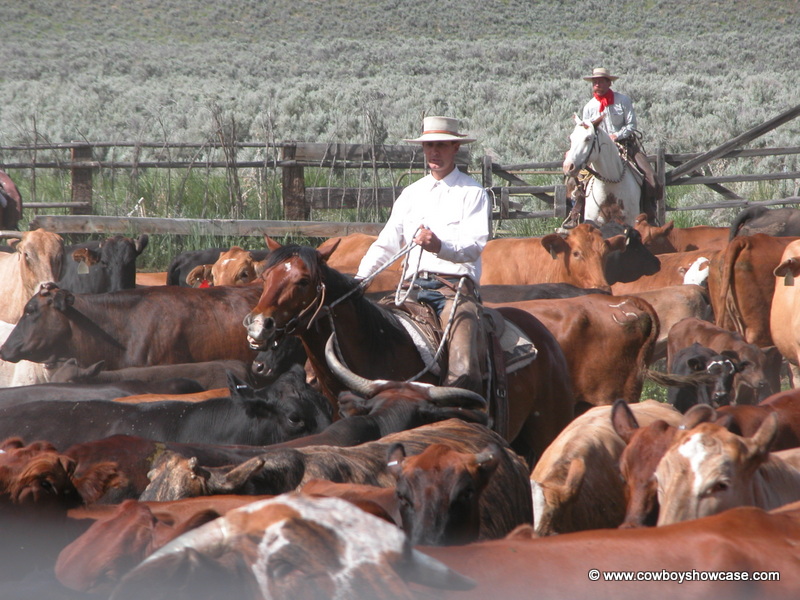
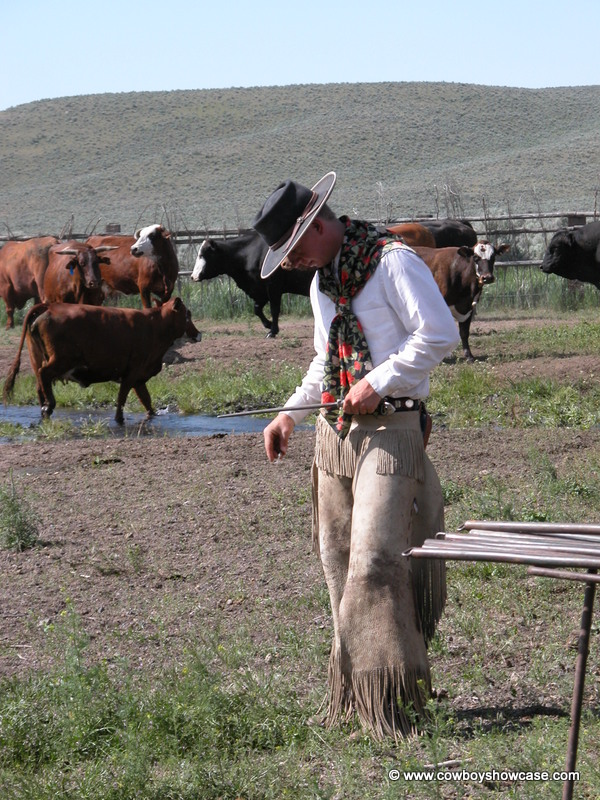
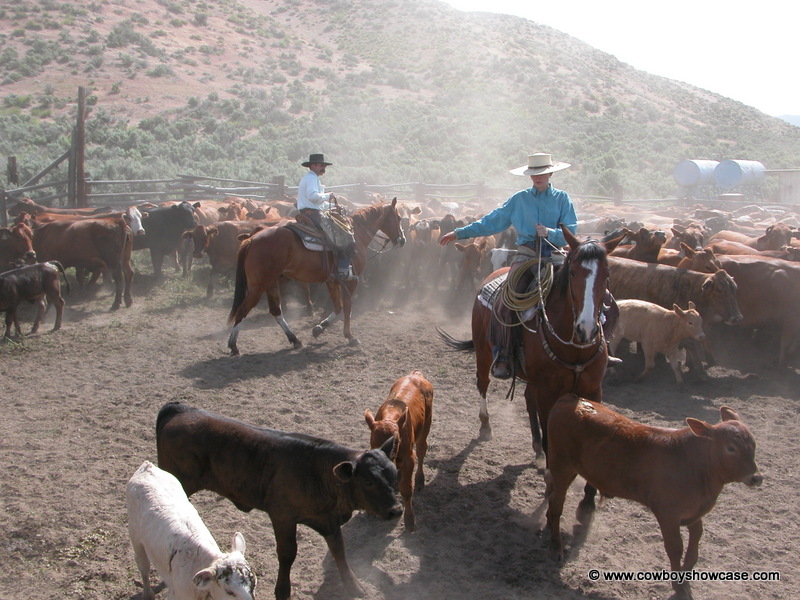
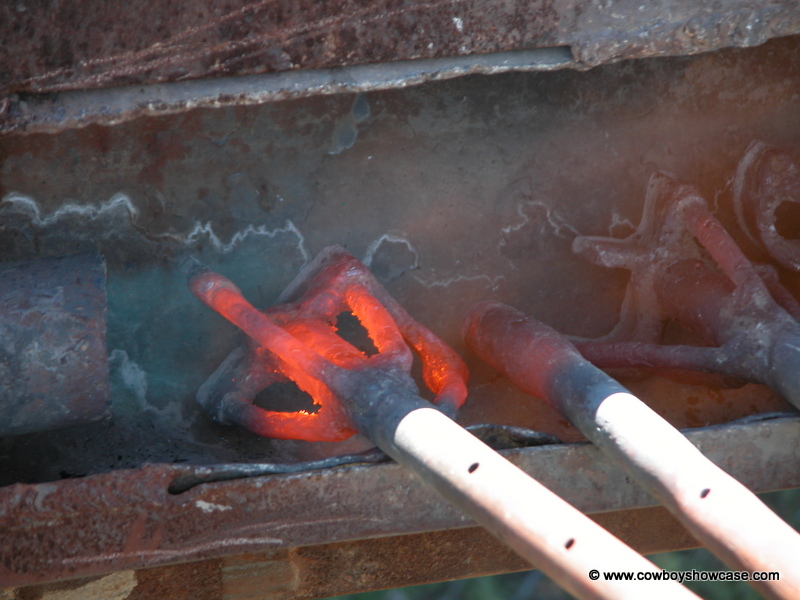
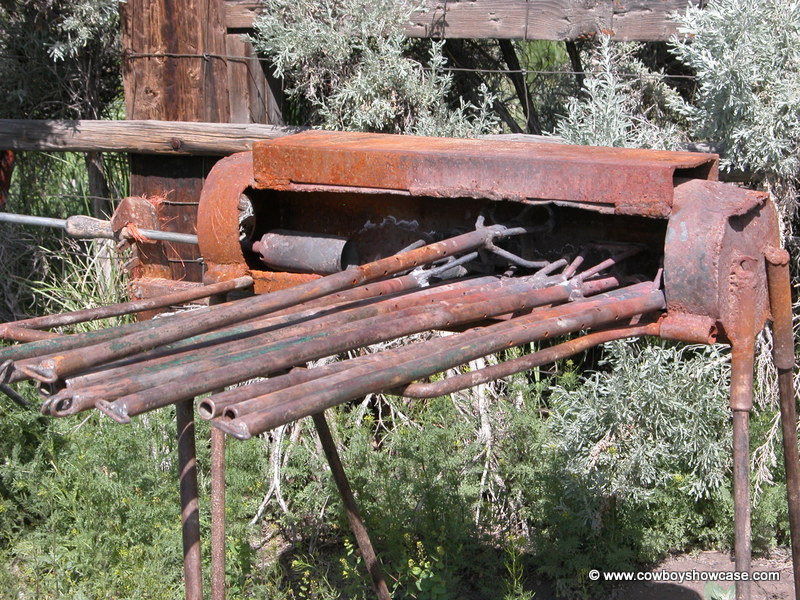
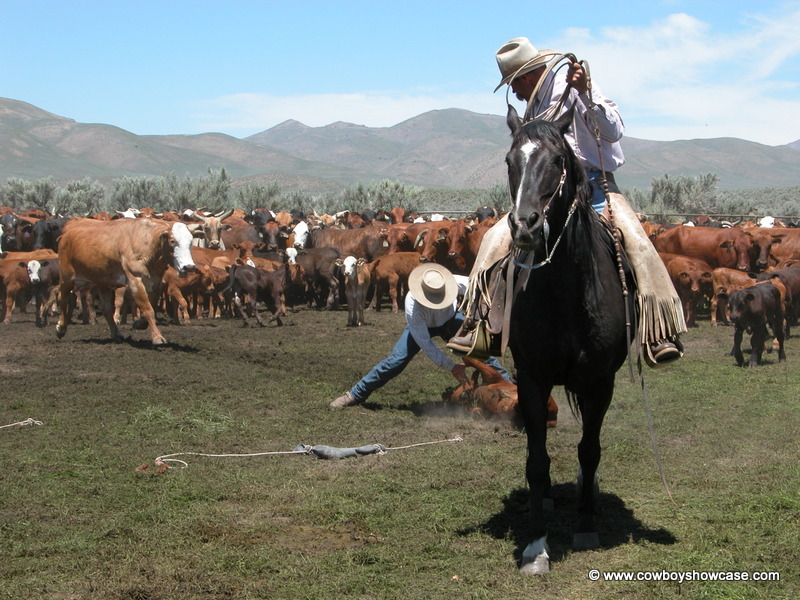
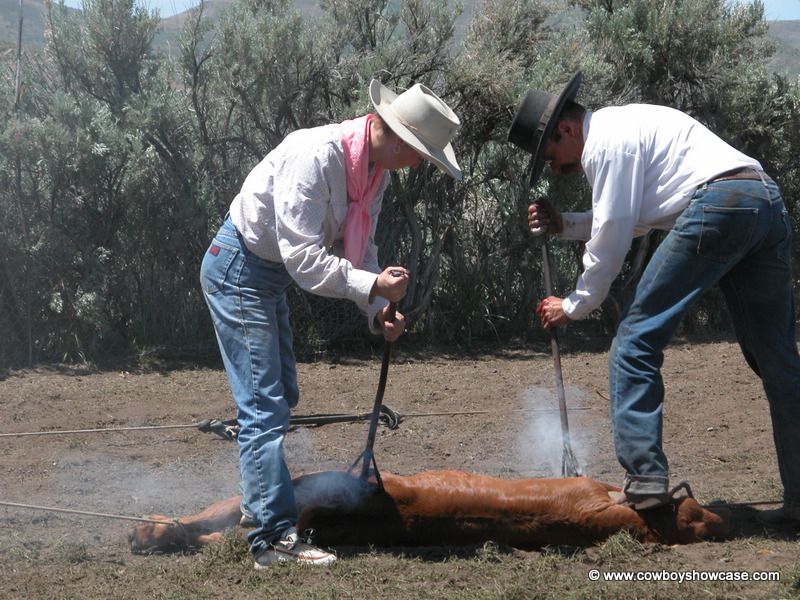
With 4,000 mother cows on this ranch, branding calves takes up a big part of the buckaroos’ time during the months of May, June and July. To get around over 400,000 acres and brand several thousand calves turned outside with their mothers is no small task. We were invited to a branding with the TS buckaroos during the first part of June. We arrived at the Dunphy camp well before daylight and ate a big hearty breakfast fixed by Doug’s wife Patti and daughter Kat. We then moved to the horse barn where the horses had been caught and were being saddled. Two neighbors, good hands in their own rights, showed up with their horses in their stock trailer. The Chapin Brothers, Gerry and Charley, who are well known in northern Nevada, were lending a hand for the day’s branding. We loaded the buckaroo horses in a couple of goose-necked horse trailers and headed out for the Coyote Camp in the extreme northeastern corner of the TS ranch. When we got into the country to be worked, Doug unloaded the horses and “cut each hand a circle” to gather and we went ahead with pickups and horse trailers and unloaded the branding pots, branding irons, medicine box, and lunch in the corrals at the Coyote Camp. We waited out the buckaroo crew at the corrals. A few cows with calves began to drift toward the branding trap. Soon we could see riders on the skyline with a string of cows and calves ahead of them. When the cow and calves were all inside in the trap, Doug and his crew separated the bulls that had come in with the cows & calves. The bulls were put outside the corral. The branding pots were lit from propane tanks, irons were heated and the branding began. There were about 250 calves to brand that day. These calves were “necked “ ( roped around the neck) and drug near the fire by the buckaroos. Then they were heeled and stretched out. (This is the Nevada way of branding bigger calves) These calves were some of the Brahman-cross calves and they were very active on the end of a rope. The bulls calves were castrated. These calves were ear marked in the left ear and steer calves had the right ear slit to make it easier to see in the alley at the feedlot when the cattle are “processed” separating steer calves from heifer calves in October. Calves were branded with the T Lazy S brand on the left hip and the replacement heifers were branded on the left shoulder with a year brand, in this case a 4 for the year they were born, 2004. 4-way shots were given. Horns were cut off, as the ranch does not want horned cattle. When the branding was completed, the cows and calves were all put back together in the corral and allowed to “mother up.” This is very important so that the ranch did not end up with a bunch of “bummed” calves (calves that had lost their mothers.) We trailered back to the Dunphy Ranch. The day horses were turned out to roll and fresh horses for the next morning were caught from the “cavvy” and placed in a “ketch” pen for morning. The entire scenario would be repeated the next day and many other days after until all of the newborn calves on the ranch were branded. 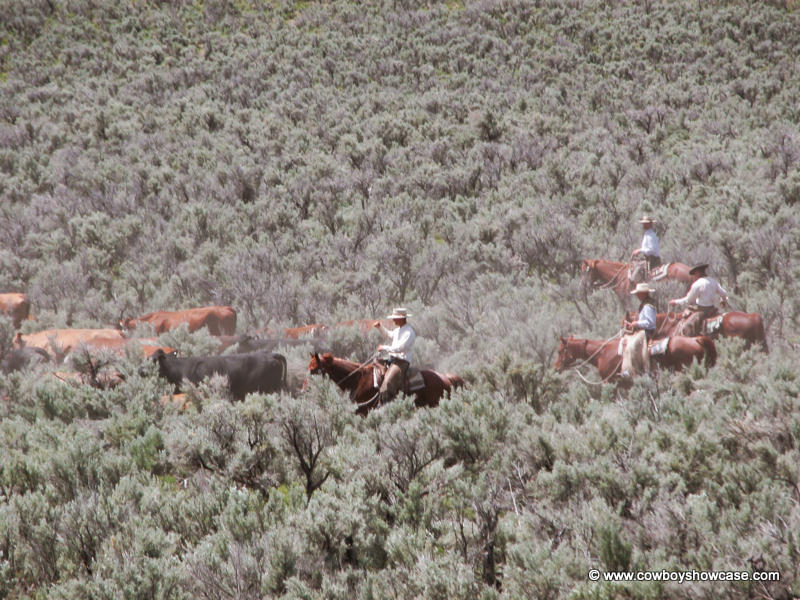
Summary
Manager Gralian said, “It is a lot of work to do what we are doing with our cattle on the TS Ranch. The crossbreeding program and the “back grounding” of our calves in our feedlot takes up a lot of time and requires a lot of labor. However, it must be working because the same buyers keep coming back year after year to bid on TS Calves. When the gold is all gone and the mines have closed, these vast rangelands will still be here and cattle will still be grazing these hills. And you’ll no doubt find a buckaroo trotting through the sagebrush, just as they were in the 1870’s, when William Dunphy ran the now historic T Lazy S Ranch.” Article by
Mike Laughlin E-mail: mikelaughlin@hotmail.com Photos by Lee Raine See also When the TS ran a Wagon
|
|