Saddle Makers and Saddle Companies
We are including saddle maker information and photos that we have accumulated on this page. We invite folks to contribute information, maker's marks, and photos either to our email or to our Facebook page.
Cross & Cheaney
Chickasha, county seat of Grady County, Oklahoma, is situated at the county's center forty miles southwest of Oklahoma City, where several highway systems intersect. Chickasha, Indian Territory, denoted by the I.T. in the mark, was founded in 1892. Indian Territory became Oklahoma in 1907.
This further information was provided by Jane Barfknecht who says, "my husband is a saddle maker (Charles Barfknecht Saddlery-Highland Village, Texas & Muenster, Texas stamps). The Cheaney family in Gainesville, Texas have been saddlemakers for years. Gainesville is just across the Red River from Oklahoma. Cheaneys Custom Saddles Inc.318 Lindsay Street-Gainesville, Texas 76240, 940-668-8607."
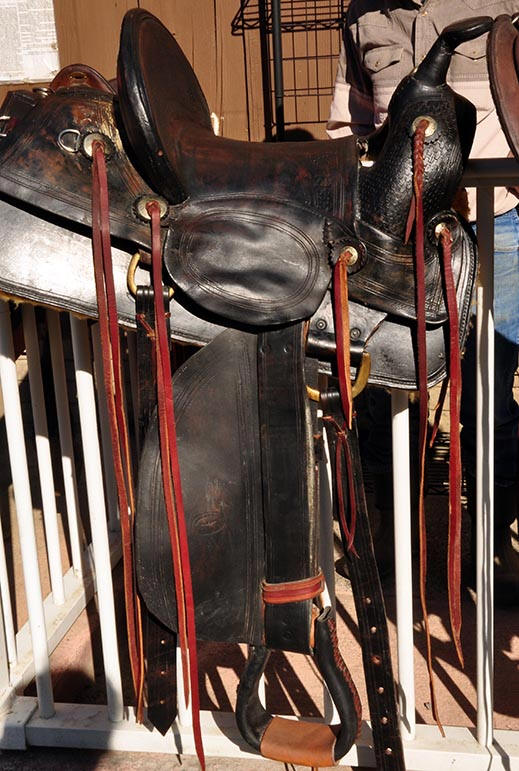
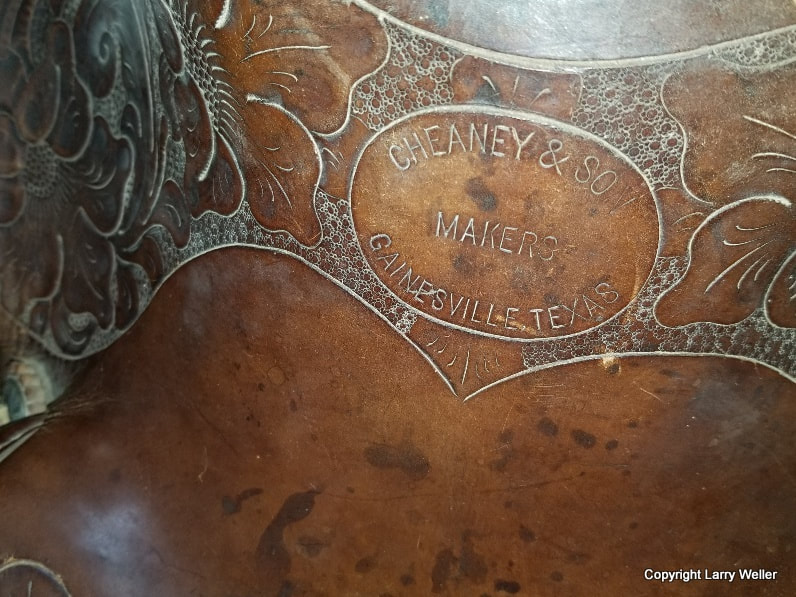
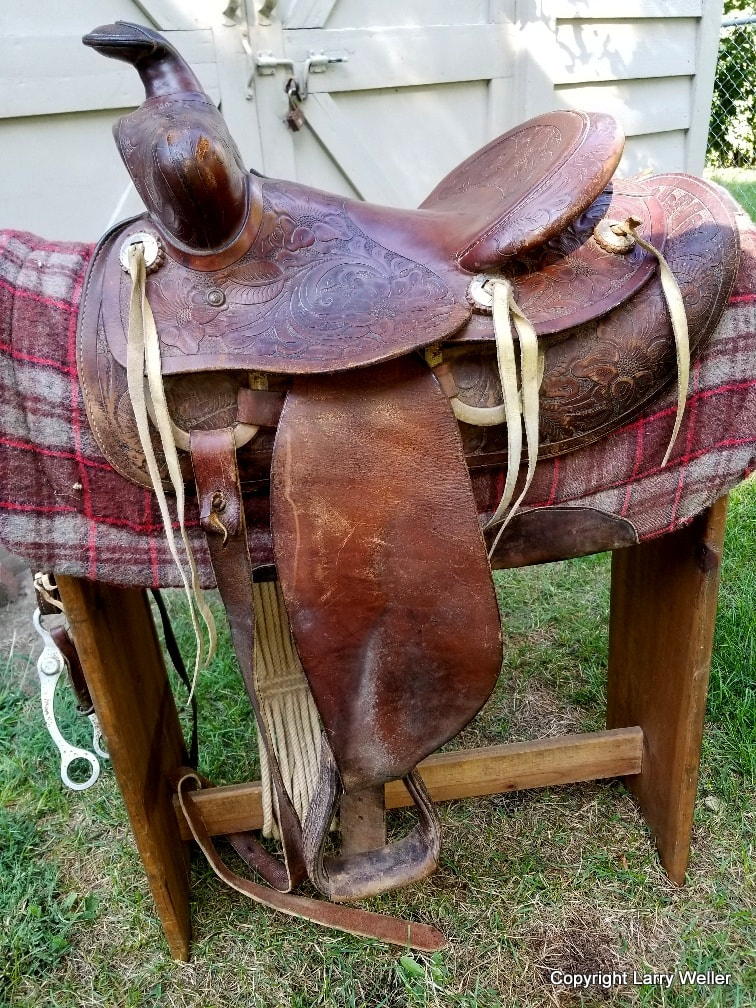
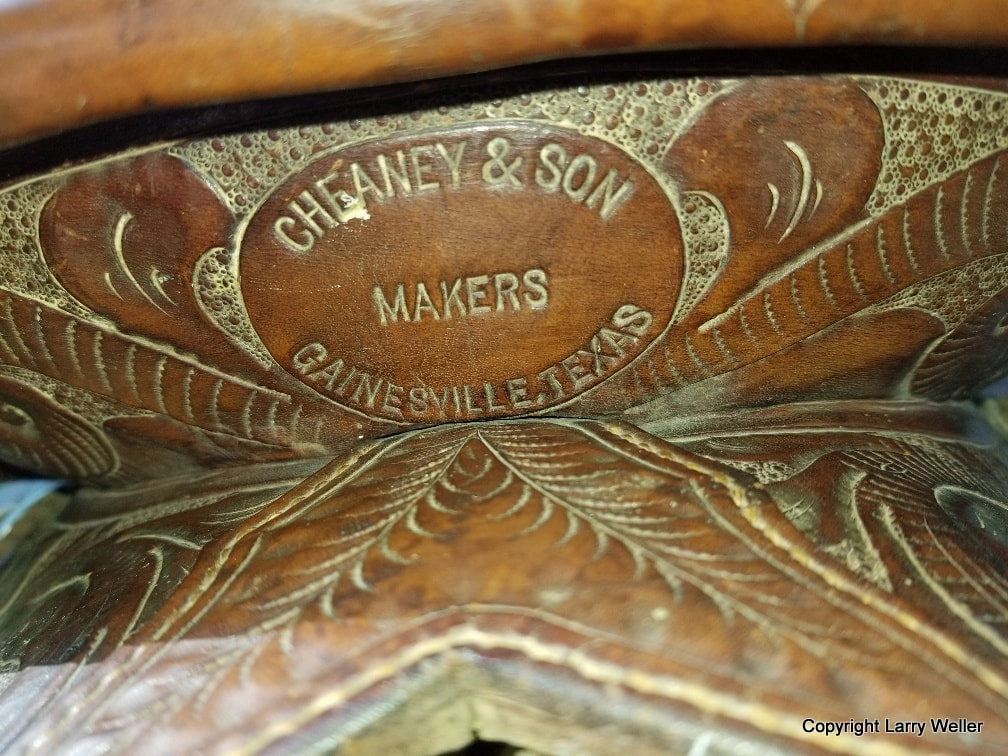
Cheaney and Sons Makers, Gainesville, Texas
|

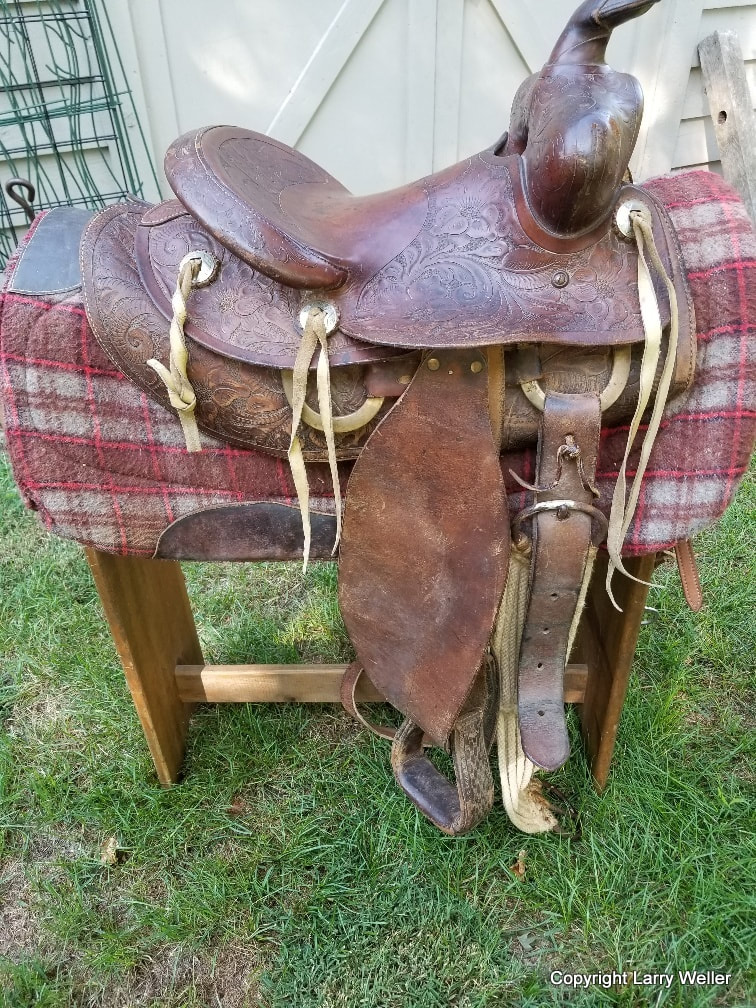
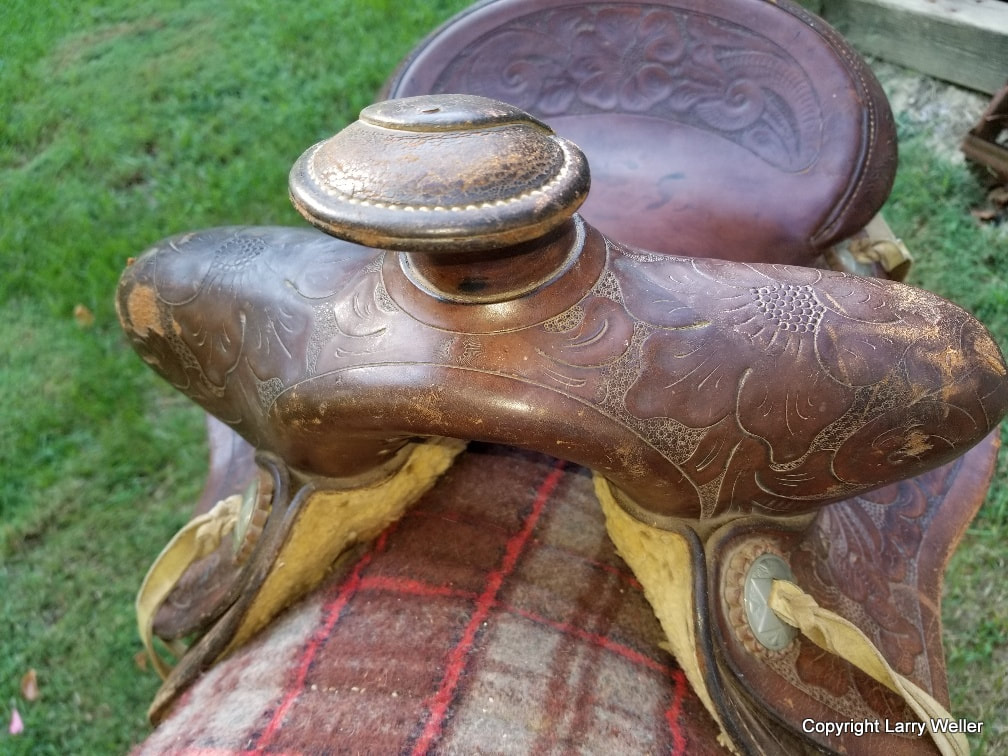
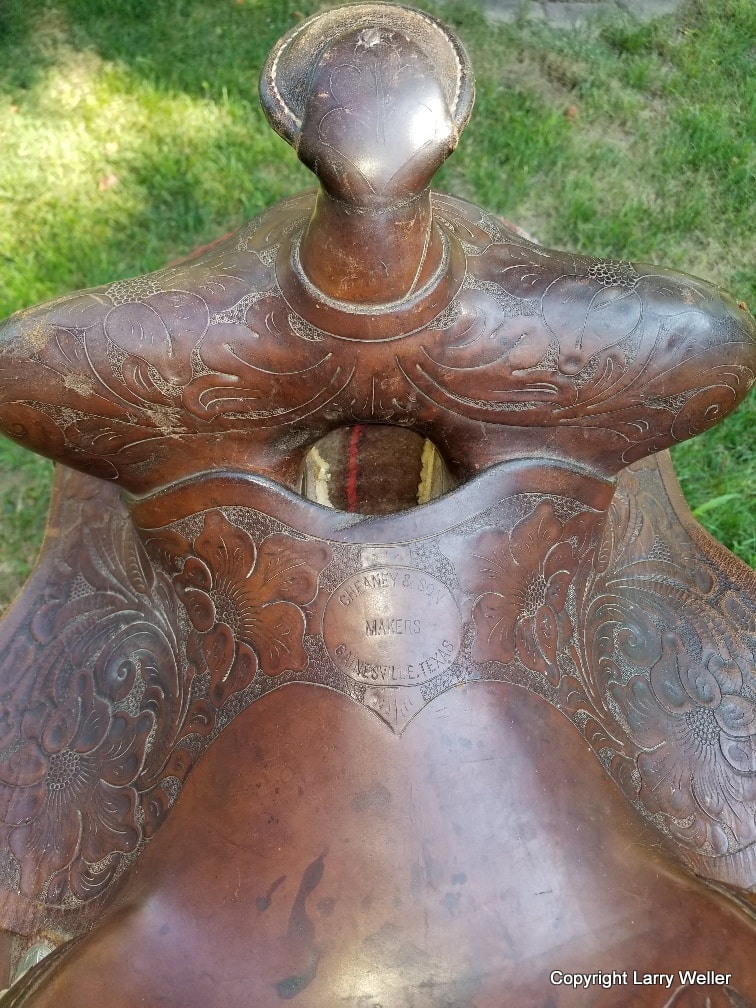

Born in the 1860s in St. Louis MO, Mueller opened his first shop in Denver in 1891. He sold his business to his employees in 1917 and it continued till 1957. He died in 1924.
Bill Kane shared these photos with us, saying, "Here is a Fred Mueller that we own. Don't know when it was made but his mark would indicate prior to selling his company to his workers." |
|
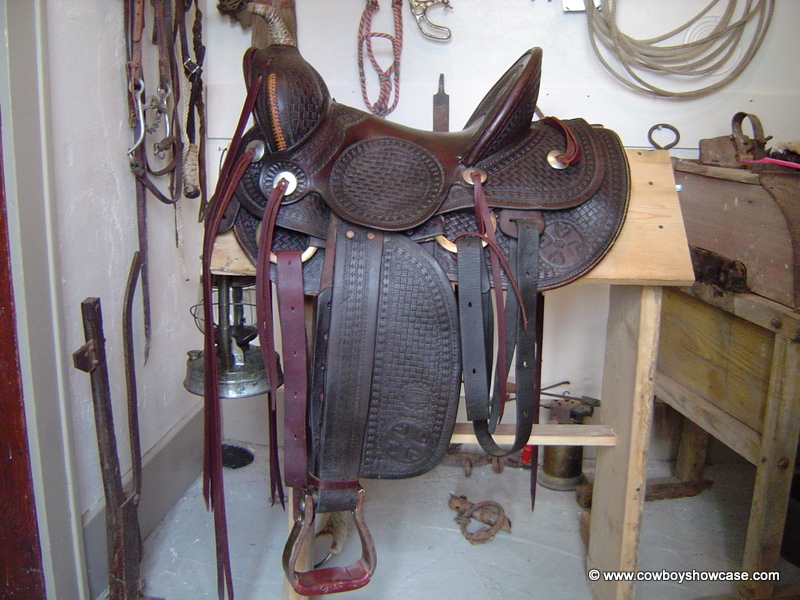
R.T. Frazier, Pueblo, Colorado
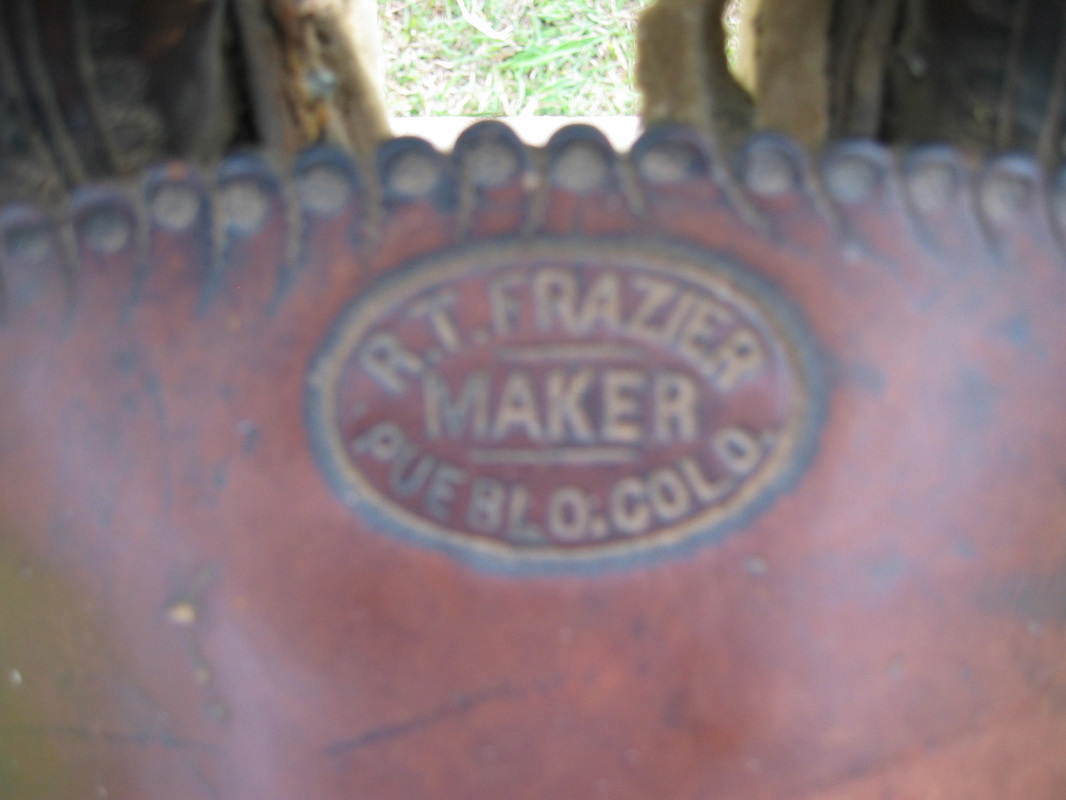
R. T. Frazier Saddlery was in business in Pueblo, Colorado from 1898-1958. Robert Thompson Frazier, the founder was born in 1850 and died on July 27, 1931. His widow, Katherine (Kitty) R. Henly Frazier ran the business until its close in 1958.
|
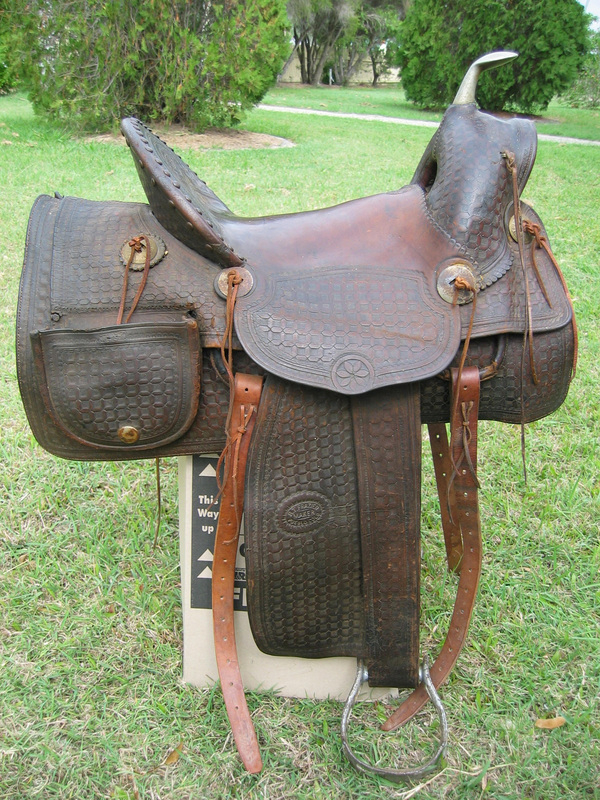
Frazier Saddle photos courtesy of Dave Fullarton, Australia. He says, "A guy I knew brought a house in Rockhampton, Qld, (Australia) which contained a small locked shed out the back. The story is that some people were coming from England to Australia around the 1900s and they brought some sea chests for their journey. In the chests were a pair or angora chaps, a set of throwing knifes and this saddle. Over the years the chaps and knives disappeared. The saddle is in remarkable order. I presume that is was left over from when Buffalo Bill toured England."
|
Frank Bregenzer, Maker, Rifle, Colo.
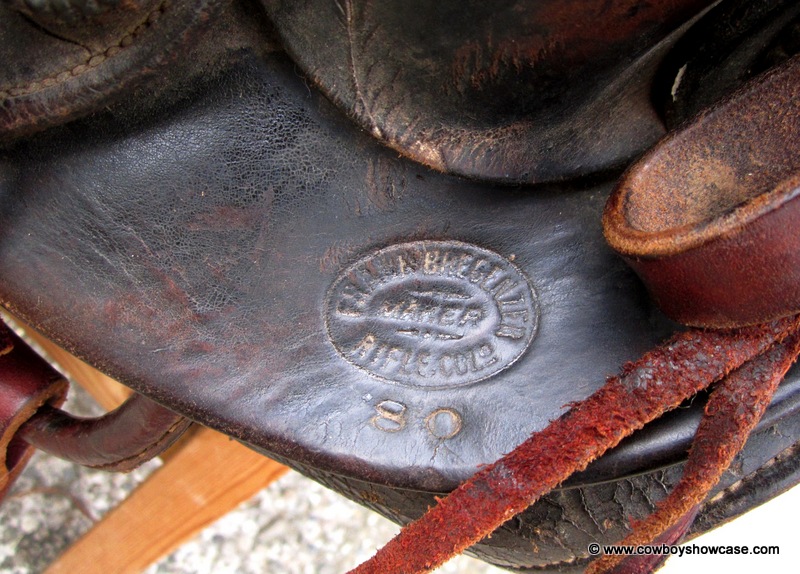
Frank Bregenzer made saddles in Rifle Colorado from 1908 to 1925. Between 1911 and 1916 he made saddles in W.R. Thompson's shop
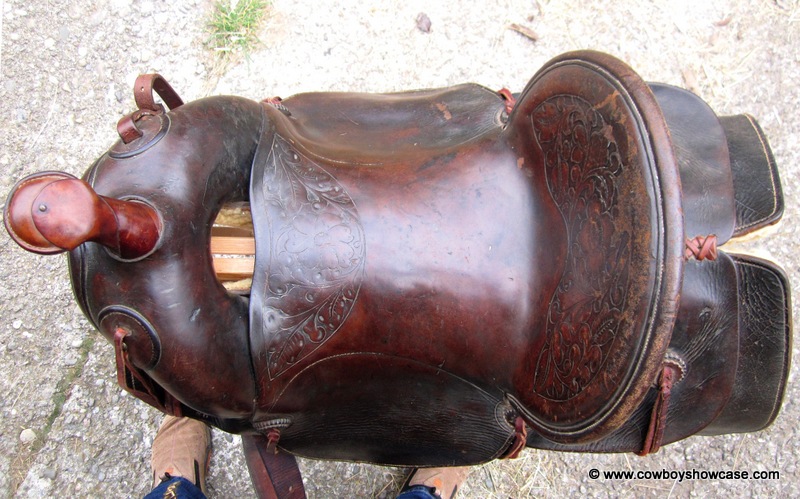
Connie Metzger and Angelika Kuphal of Black Forest, Germany sent us photos of their saddle. They found that a Frank Bregenzer (of German ancestry) was born (assumed) 1857 in Wisconsin and died in Rifle, Colorado in 1925. They said, "we have an old time western saddle here and are wondering where it comes from and how old it is. It has been in use until just a few years ago and its quality is still convincing - well it shows some wear and tear though. On the stamp it says "Frank Bregenzer - maker - Rifle.col", its tree is made of wood and rawhide (its heavy - about 36lbs)....Funny how things turn out, and that some part of his lifework ended up here, back again in Germany."
Connie Metzger and Angelika Kuphal of Black Forest, Germany sent us photos of their saddle. They found that a Frank Bregenzer (of German ancestry) was born (assumed) 1857 in Wisconsin and died in Rifle, Colorado in 1925. They said, "we have an old time western saddle here and are wondering where it comes from and how old it is. It has been in use until just a few years ago and its quality is still convincing - well it shows some wear and tear though. On the stamp it says "Frank Bregenzer - maker - Rifle.col", its tree is made of wood and rawhide (its heavy - about 36lbs)....Funny how things turn out, and that some part of his lifework ended up here, back again in Germany."
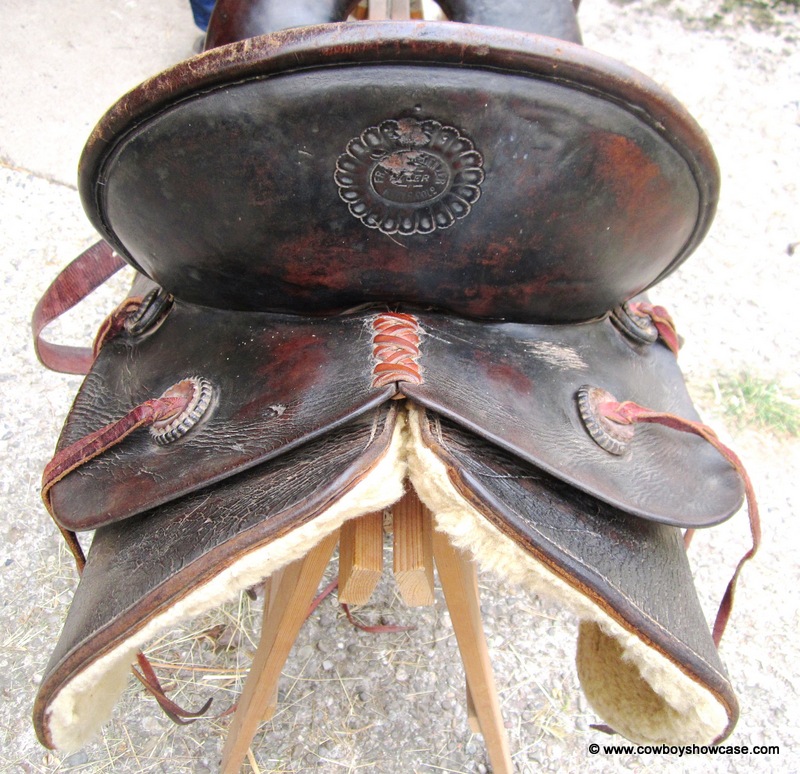
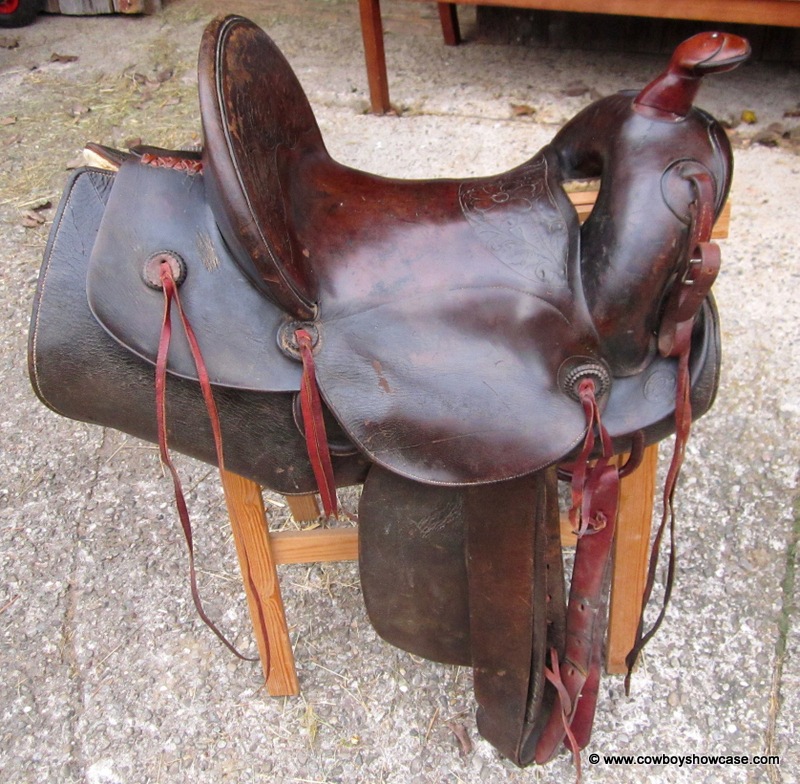
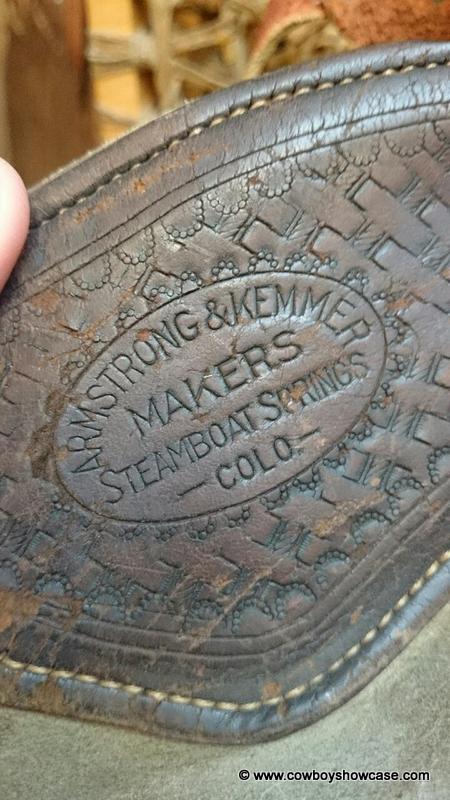
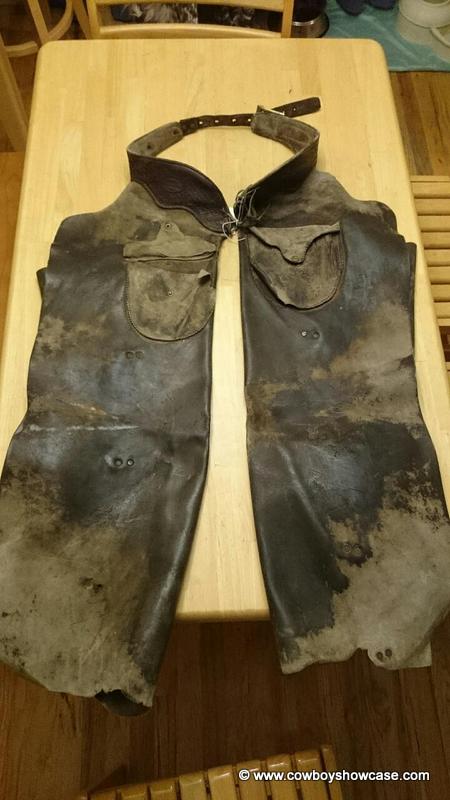
Armstrong & Kemmer, Steamboat Springs, Colorado
|
Riley Armstrong was partners with C.H. Kemmer from August 1909 to January 1912 He continued making saddles into the
1920s. Paul Knowles shared these photos of a pair of chaps he owns and would like to hear about any information on other Steamboat Springs makers if anyone has any. lee@cowboyshowcase.com |
|
H&M Wyeth, St. Joseph, Missouri
Wyeth company was in St Joseph MO from the 1840s to the 1950s. They made mochilas for the pony express eastern divisions. Their 220th catalog was published 1939. Photos courtesy of Jake Dueland: "Hi I was looking at your list of makers and thought I would add my family saddle and see if you have any information about it. All I know is that it was bought in Nebraska by my great grandfather. From what I could find on the internet wythe made the pony Express saddles. Thanks and hope this makes a good addition to your list."
Editor's note: a mochila is a removable leather cover put over a saddle. In the case of the Pony Express, the cover held the mail relayed from one horse to the next. Click here for a good explanation on Wikipedia.
Editor's note: a mochila is a removable leather cover put over a saddle. In the case of the Pony Express, the cover held the mail relayed from one horse to the next. Click here for a good explanation on Wikipedia.
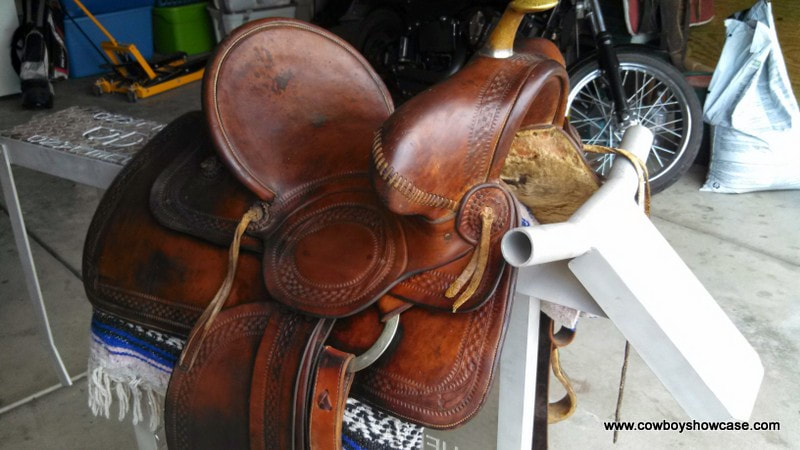
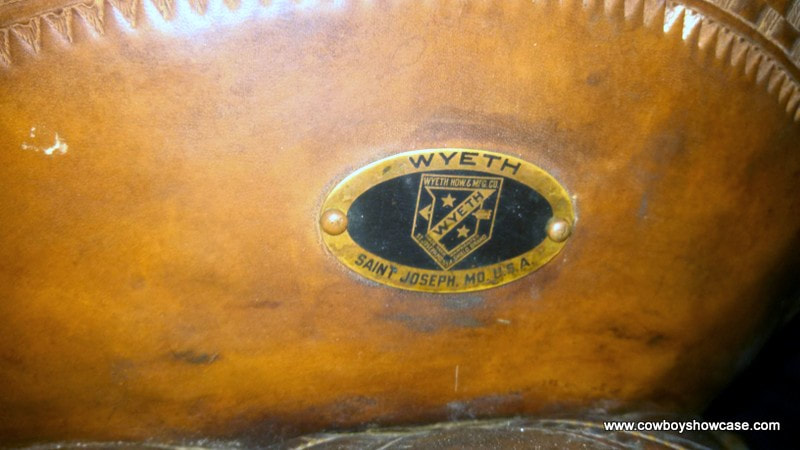
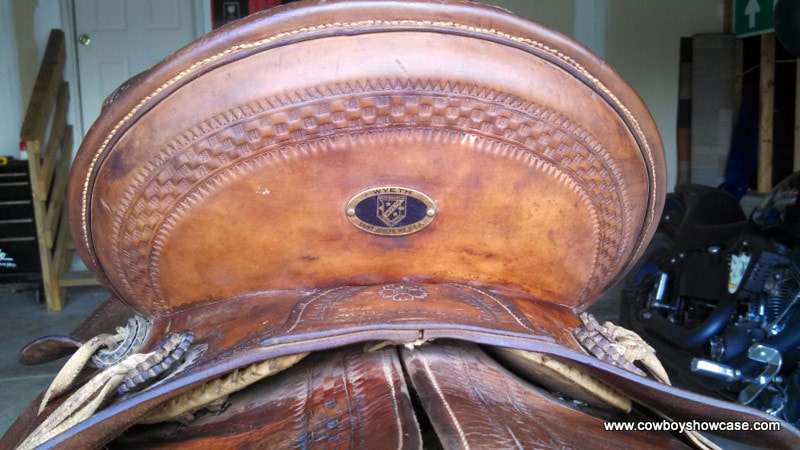
Kansas City Saddlery
307-317 Delaware St., Kansas City, MO. 1915-1925.
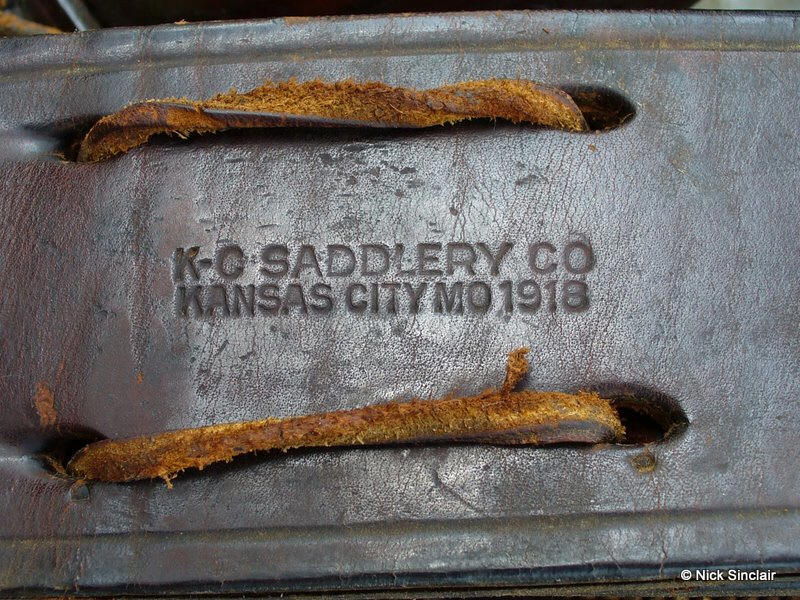
Military stamp (1917 Packer saddle)
|
 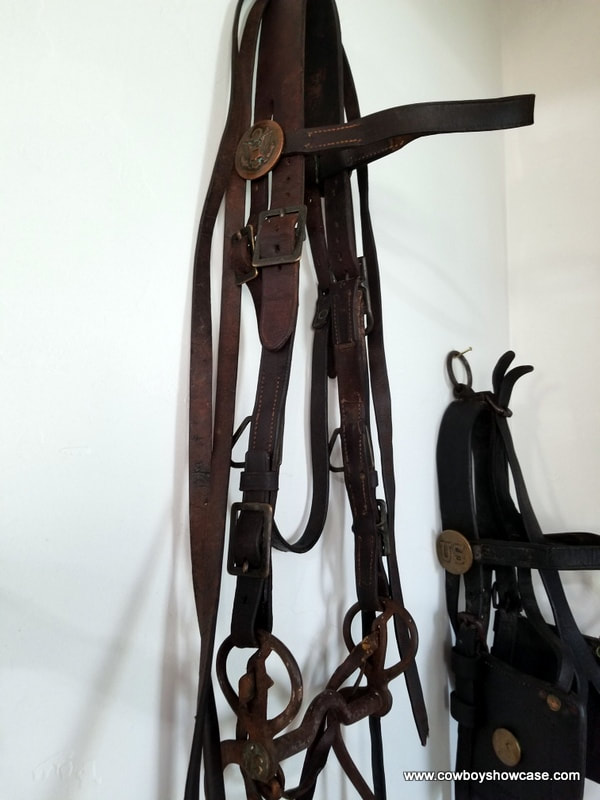  Kansas City Saddlery Marks from cavalry bridle courtesy of Joy Estrada
|
Don Hughes, Burnes, Oregon |
Dave Jones, Monticello, Florida |

Maker Don Hughes, Burnes, Oregon
|
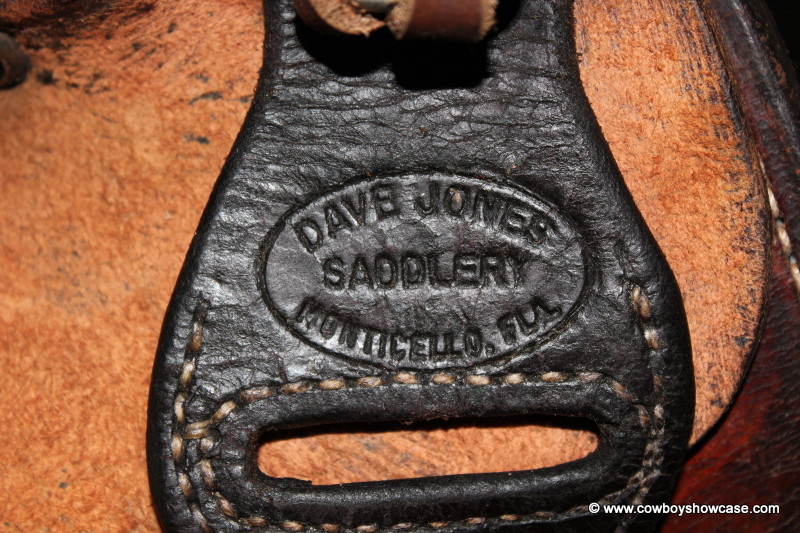
A contemporary saddle maker, Jones Saddlery, who made his first for-sale saddle for Arthur Godfrey in 1958. He was also an accomplished horse trainer and cowboy. Dave was a long time contributor to Western Horseman and other magazines.
Here is a link to his obituary: http://www.flamuseum.com/davejones.html |
J.G. Read & Bros, Ogden, Utah
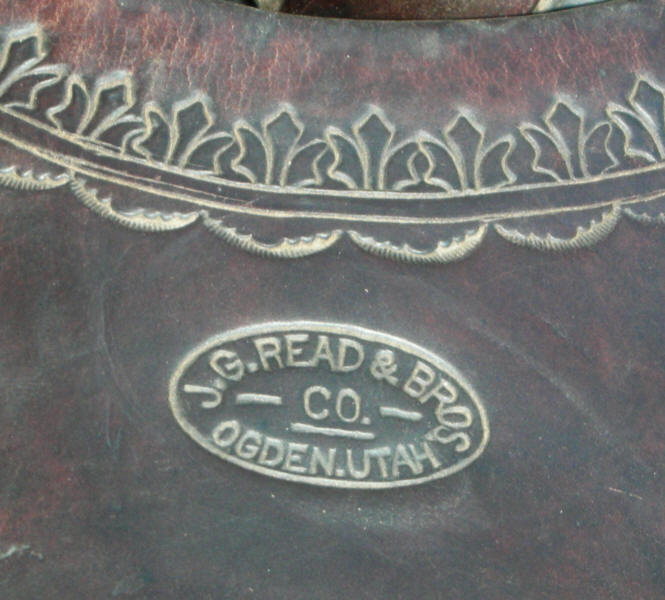
J.G. Read learned saddlemaking beginning at the age of 17 working for Cornish & Walton in Ogden Utah during the 1870s. In 1883 he bought the firm and renamed it J.G. Read Harness & Saddlery. His brother W.S. joined him a year later and together they also purchased the small firm of Cheyenne Harness & Saddlery of Ogden. They were joined in 1898 by a third brother, Oscar I. and formed the J.G. Read and Brothers Co. The firm was active as a leather goods, harness and saddlery store at that time, but as the years went by, adjusted to progress by selling motor car accessories (tires, batteries) and even later, household appliances and furnishings.
Ryon, Fort Worth, Texas
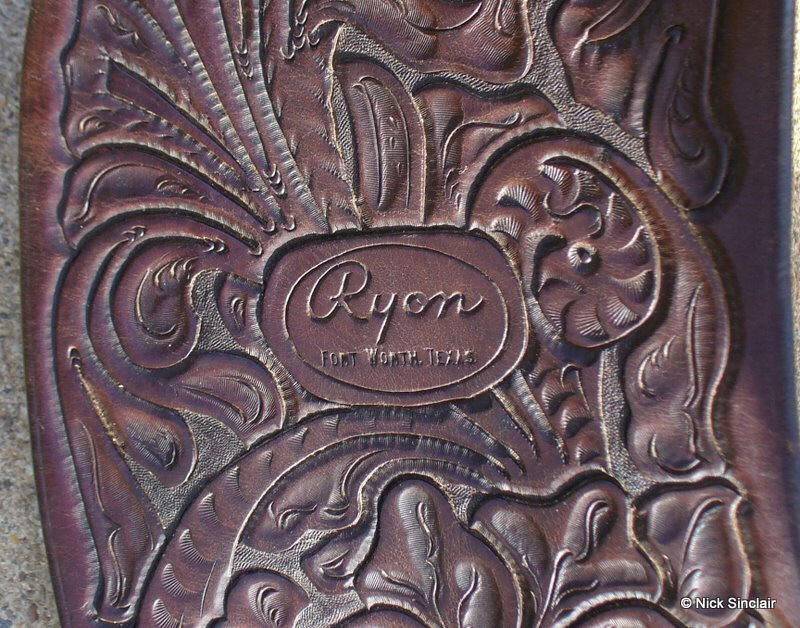
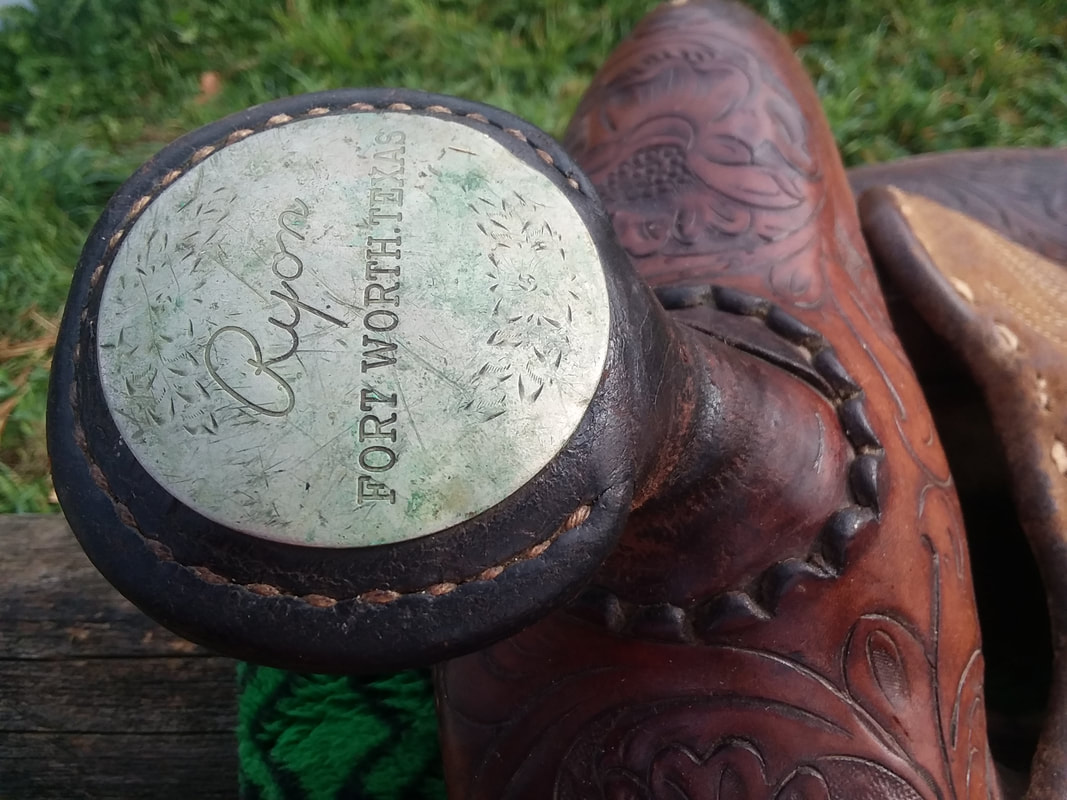
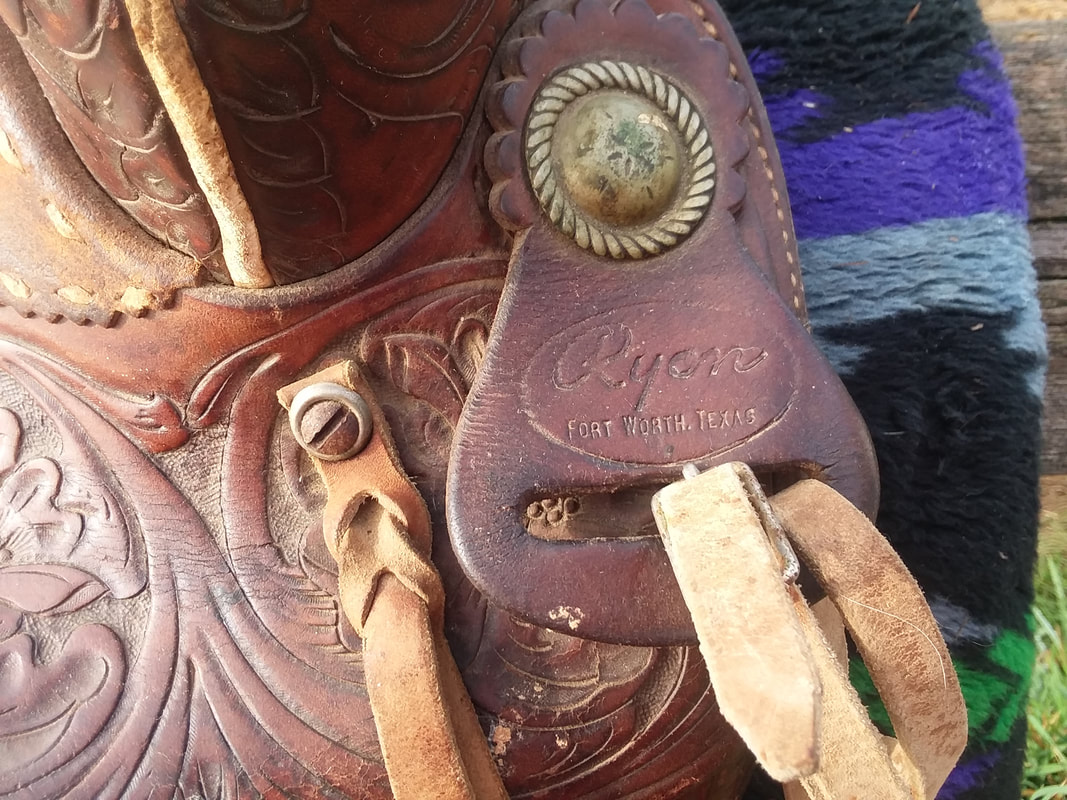
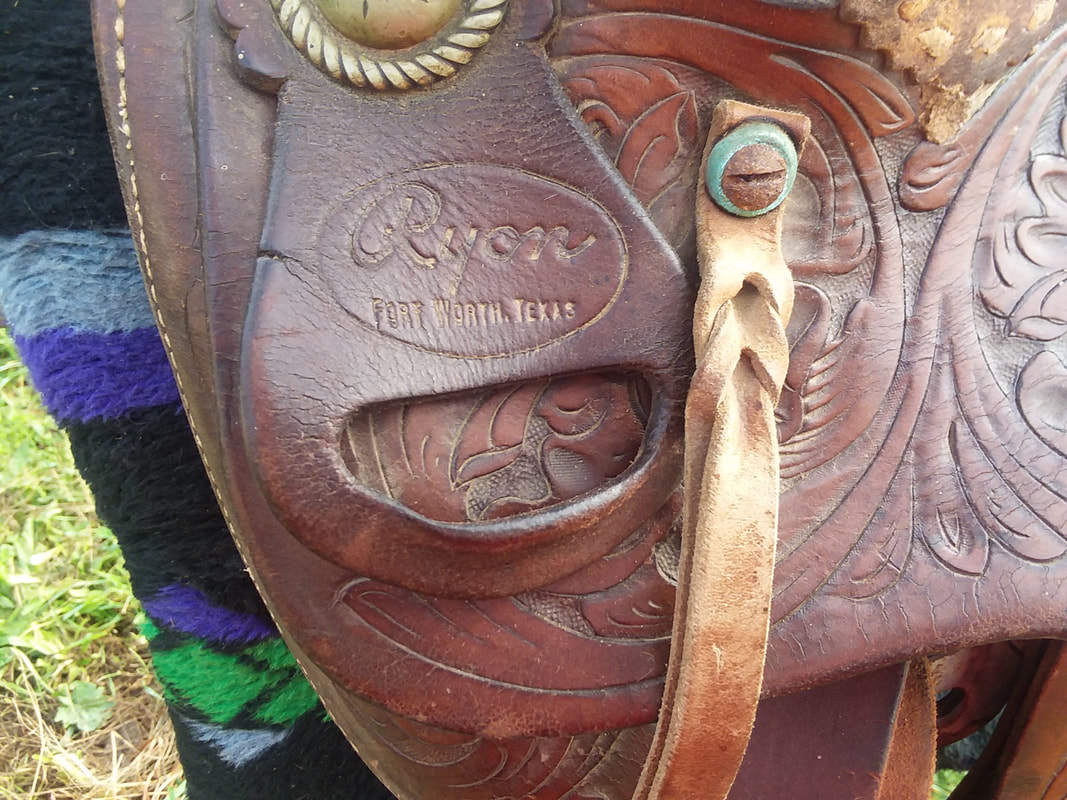
Ryon Saddle and Ranch - 1944 to present.
Today it is called Sean Ryon Saddlery.
Don "Windy" Ryon was involved in the business from 1944 starting out in the Livestock Exchange building in the Fort Worth Stockyards until his death in 1972.. His great grandchildren have the Sean Ryon Saddleshop there today.
Ryon saddle photos below courtesy of Val Samuelson.
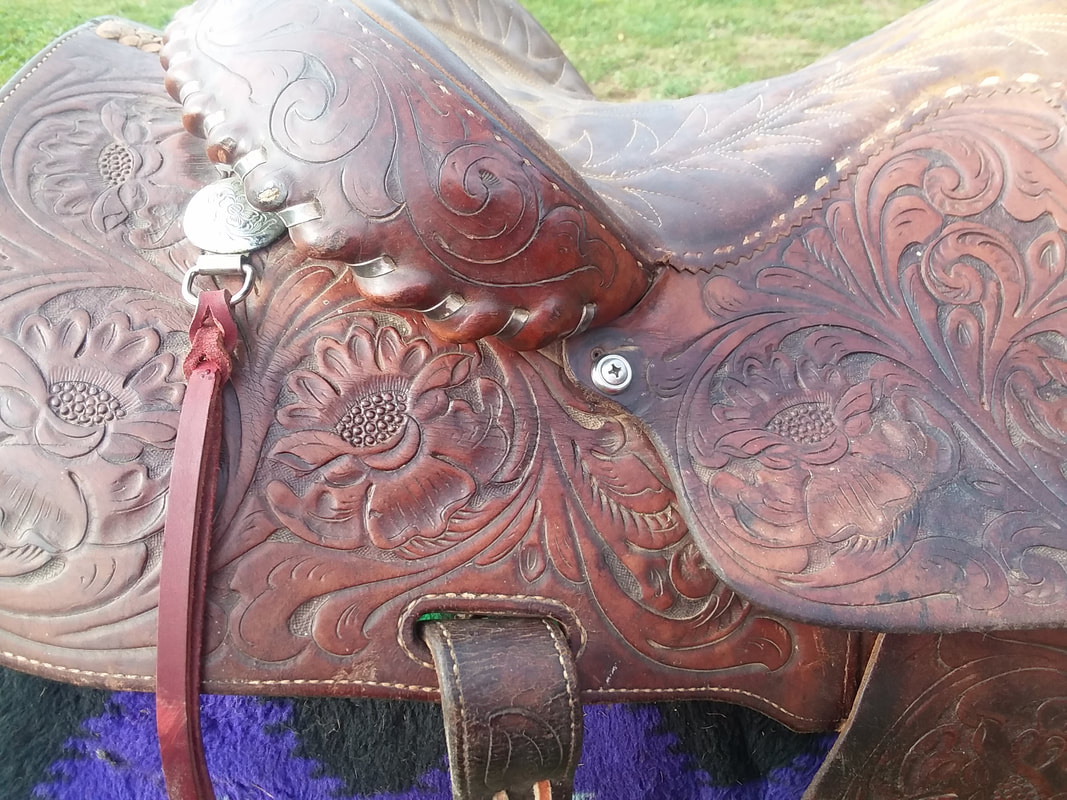

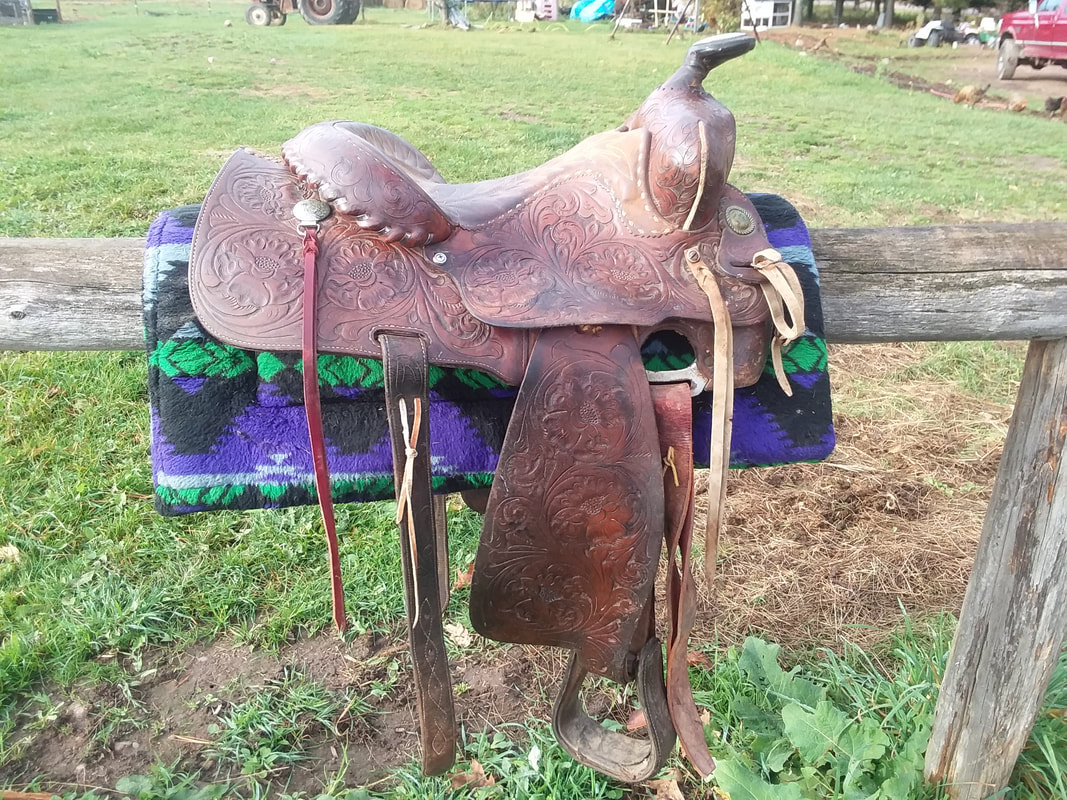
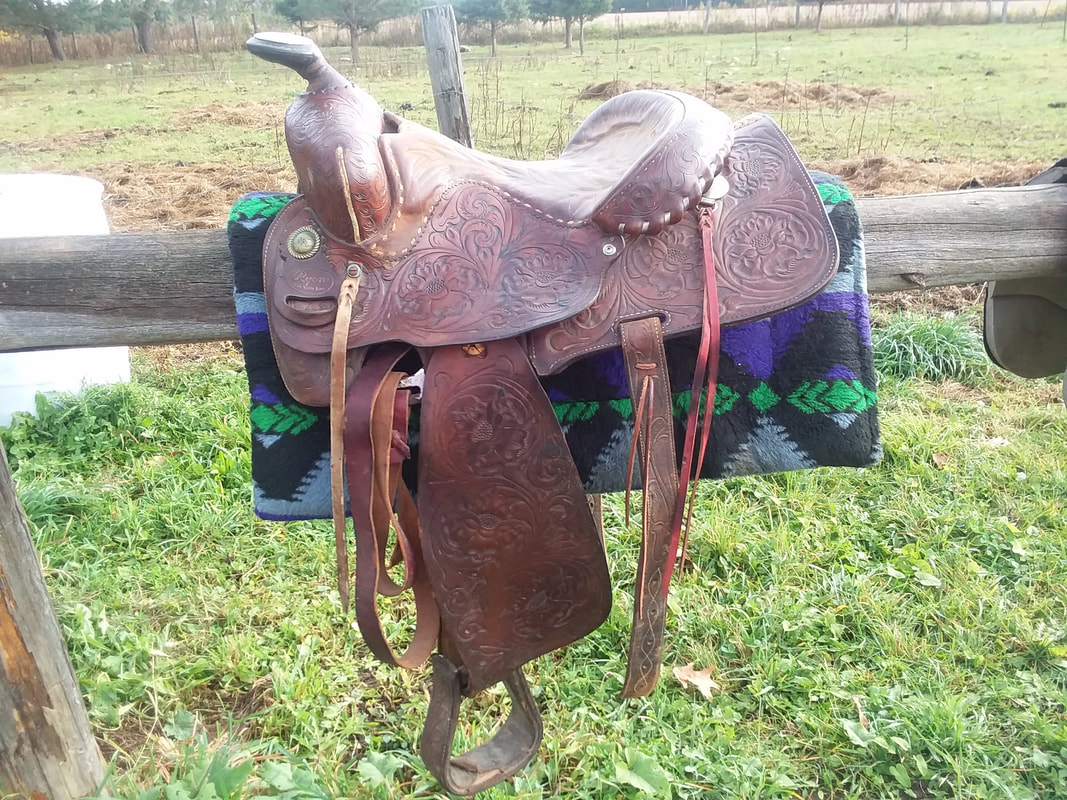
EDDLEMAN BROS. SAD. CO. Maker Graham, Tex.
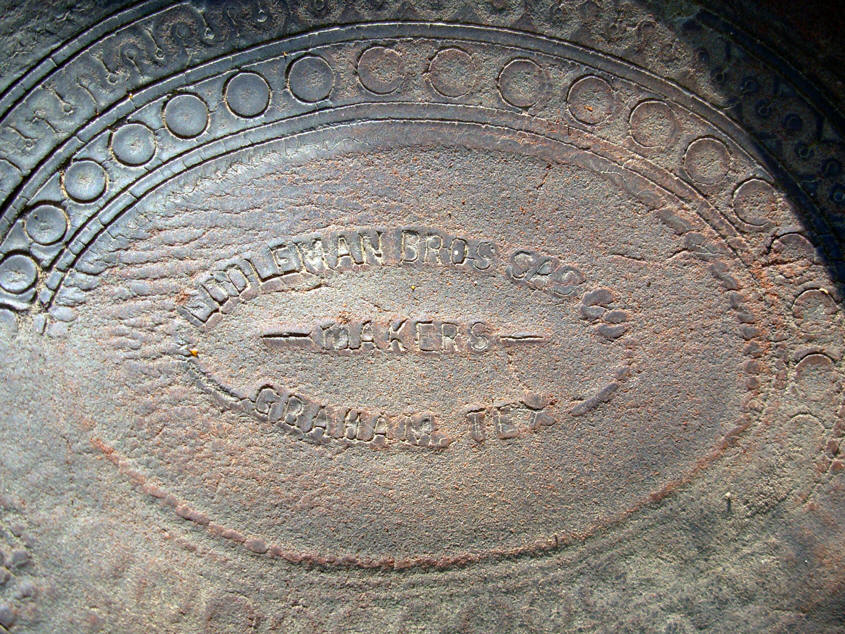
A. B. Eddleman, Graham Texas 1900-1962
The Eddleman Bros brand was used from about 1897-1957.
There is quite a bit of history about ownership changes.
Dorman Holub, Graham, Texas adds the following information:"If the building burned in 1957 - that would have made The Graham Leader in Graham, Texas. There is no record of the saddle company burning. The business flourished under the new owners and Eddleman saddles were still being made by the saddlemakers who worked for the Eddleman brothers until the 1980s using Eddleman patterns. The Eddleman stamp was still being used until 1994. There is a way to tell whether an Eddleman saddle is before the time of the selling of the saddle shop and after according to an agreement with the Eddleman's. The Eddleman stamp is still in Graham, Texas as are the patterns for Eddleman Saddles."
The Eddleman Bros brand was used from about 1897-1957.
There is quite a bit of history about ownership changes.
Dorman Holub, Graham, Texas adds the following information:"If the building burned in 1957 - that would have made The Graham Leader in Graham, Texas. There is no record of the saddle company burning. The business flourished under the new owners and Eddleman saddles were still being made by the saddlemakers who worked for the Eddleman brothers until the 1980s using Eddleman patterns. The Eddleman stamp was still being used until 1994. There is a way to tell whether an Eddleman saddle is before the time of the selling of the saddle shop and after according to an agreement with the Eddleman's. The Eddleman stamp is still in Graham, Texas as are the patterns for Eddleman Saddles."
"My husband has a saddle that his father bought back in the late 1960s. It has a stamp that reads EDDLEMAN BROS. SAD. CO. Maker Graham, Tex. on the seat and both Stirrup leathers. It also has a bull stamp on both stirrup leathers and tooling across the seat. I have attached a photo of the stamp." Thanks, Julia Washburn
L. White Maker, Ft. Worth, Texas
L White was born in 1886 and died 1952. He started his Ft. Worth, TX shop around the time of the Mexican Revolution to supply the US Cavalry or US Army. His son Louis White took over the shop after his death and ran it until 1969 when Louis died. Louis’s wife Alvern White closed the shop in 1972.
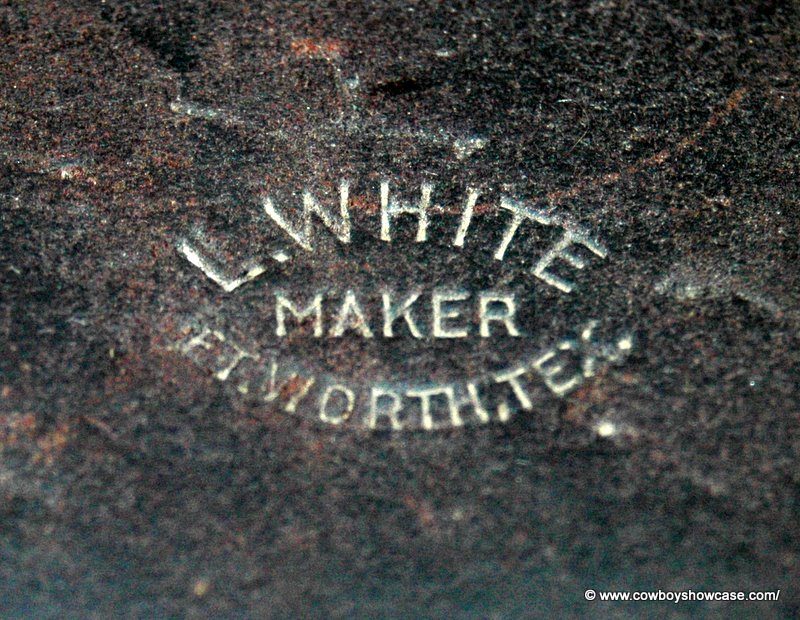
|
Photos courtesy of Rene in Kentucky.
She says, "Hope you can use them Thanks for your site I enjoyed it." |
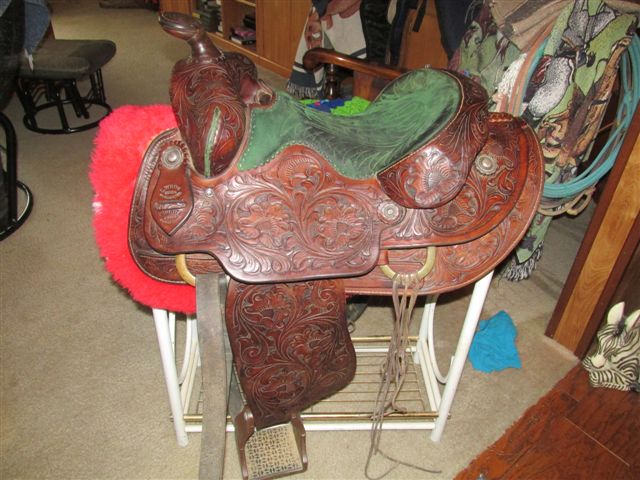
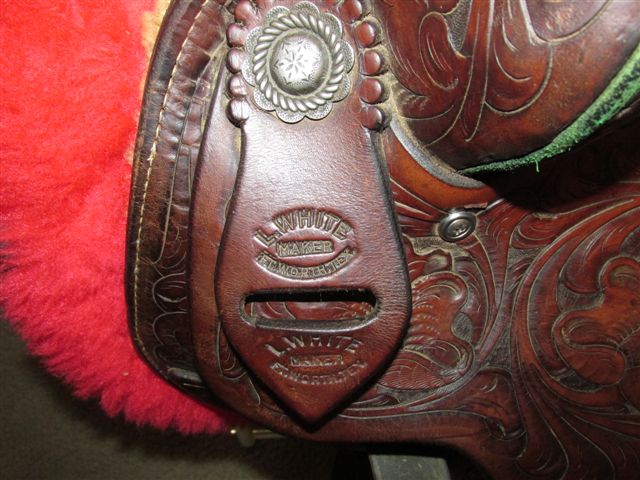
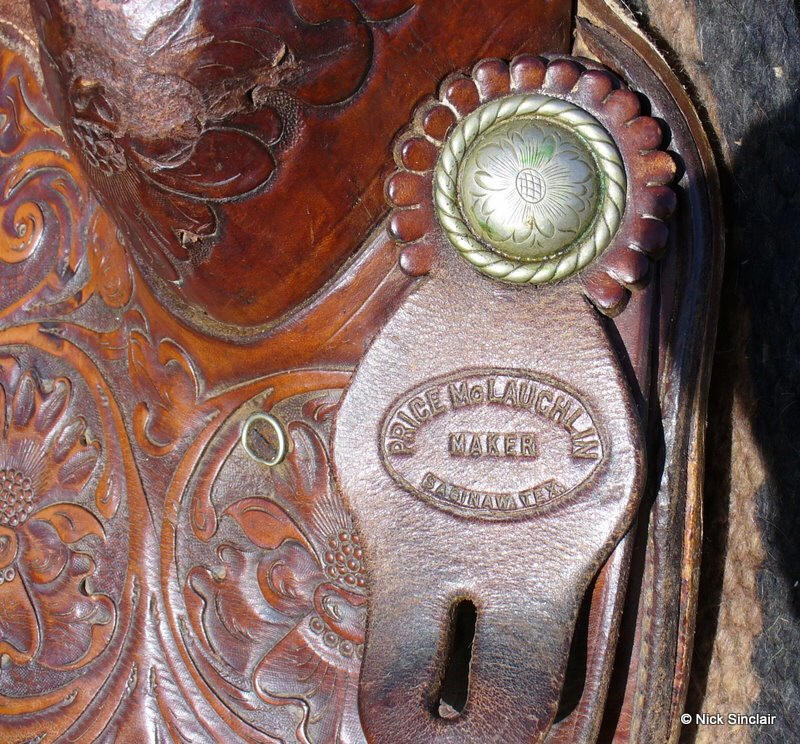
Price McLauchlin, Maker, Saginaw, Texas
|
Price McLauchlin, Maker, Saginaw, Texas. 1926-2002
For more information please read the article in the attached document courtesy of Nick Pernokas http://pernokassaddlery.com/ and Shop Talk Magazine. (828)-505-8474 P O Box 17817, Asheville, NC 28816 Also thanks to Glen Williams for bringing it to our attention. |

| ||
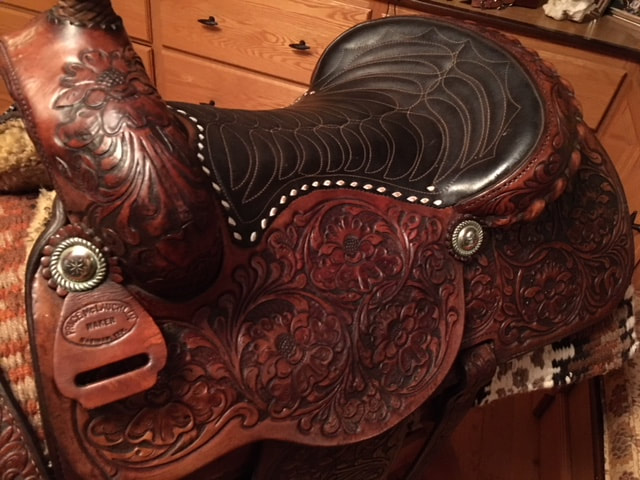
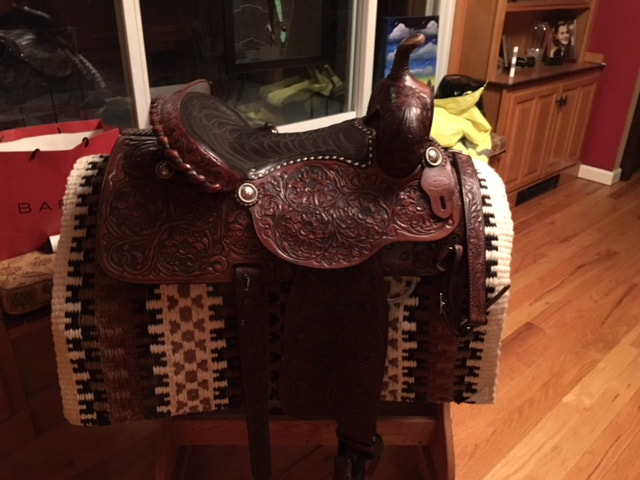
Photos of the Price McLauchlin saddle below courtesy of Howard Nicols.

James McLauchlin, Haltom City, Texas
Glen Williams sent us the photos and article below and this email: "Attached are pics of a saddle of mine, along with an article that mentions James McLauchlin, brother to Price. You’ll probably recognize the tree is one of Price’s. I also owned a saddle by Earl McLauchlin (another brother) at one time, I regret not keeping it, or at least some documentation on it."
|
|

| ||
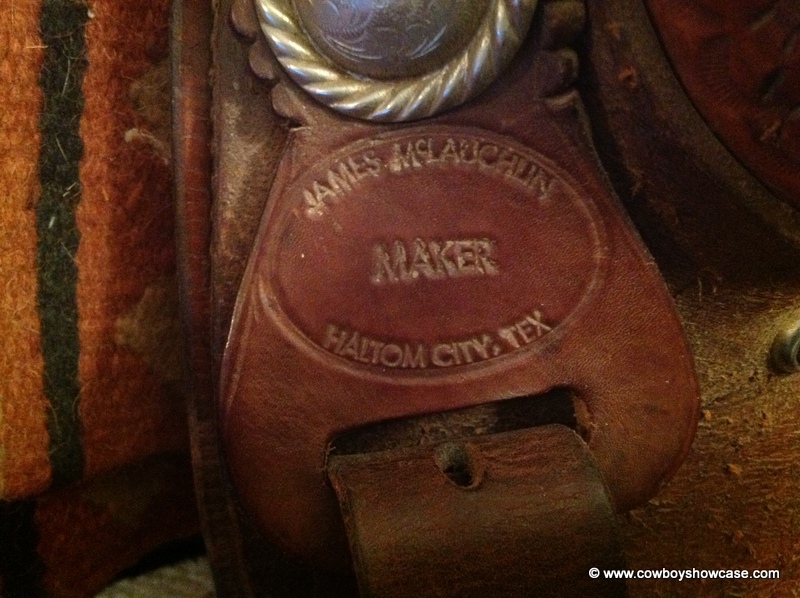
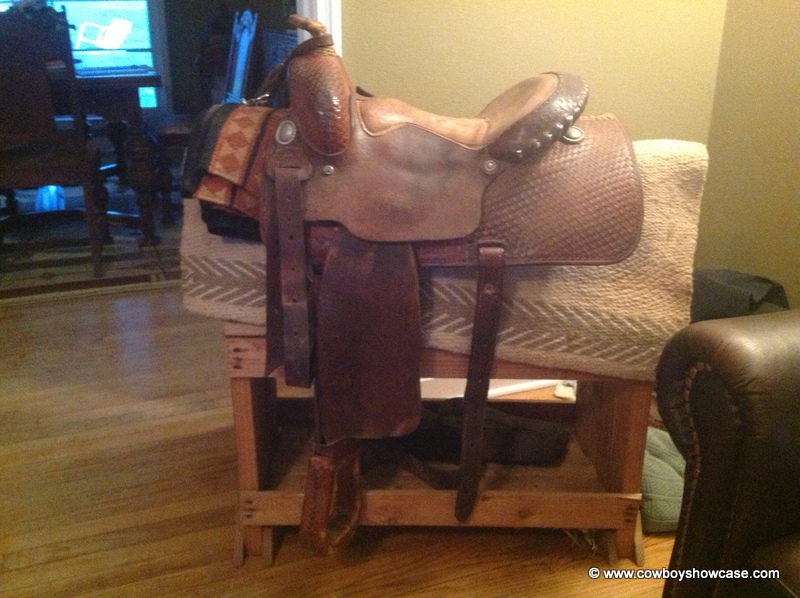
Robbyn Sumner shared these photos of her Fred McLauchlin saddle, the keeper says Fred McLauchlin, Malin [Texas]

JH Nance, Coleman Texas
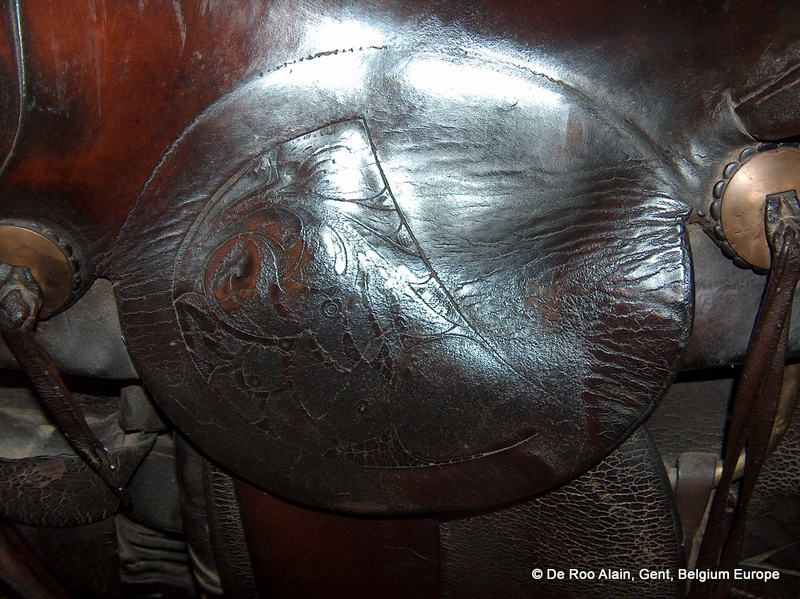
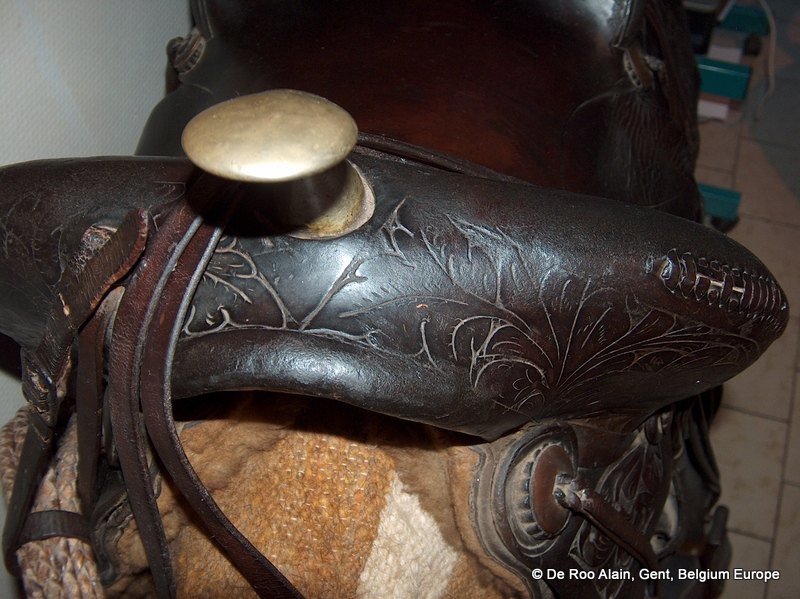
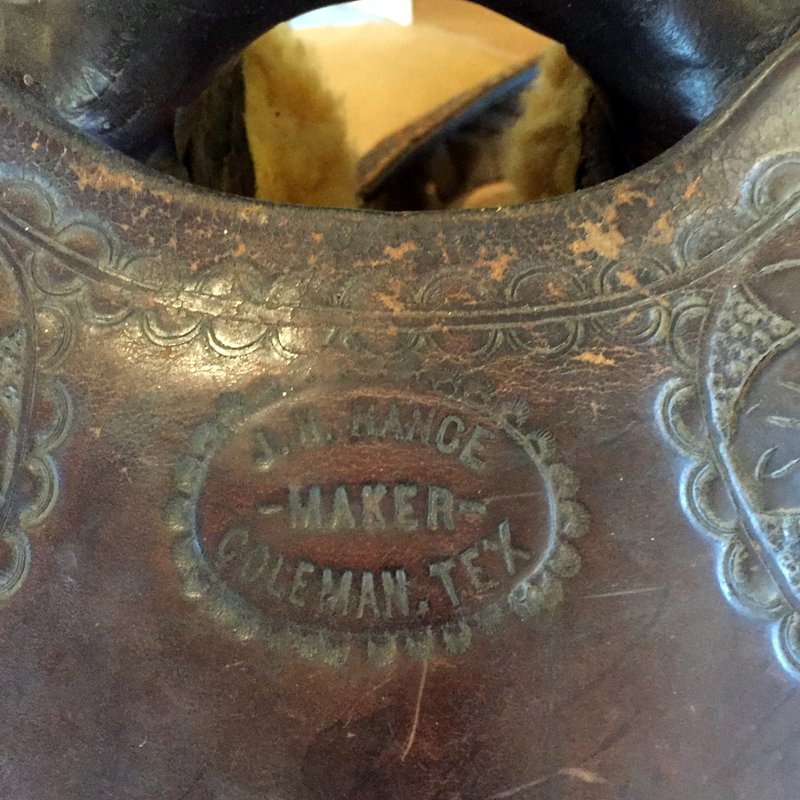
In 1929, J. H. Nance and Son was located at 105 South Commercial Avenue in Coleman, TX. It was owned by James H. (1864 - 1937) and Bennett A. Nance (1891 - 1964). They were manufacturers and dealers of saddles, harness, collars, bridles, a complete line of leather goods, shoe repairing, cowboy boots, automobile tops and seat covers, and awning.
Saddle photos were kindly donated by De Roo Alain, Gent, Belgium Europe. Anyone knowing further history of the shop is invited to email us with details. Thanks.
Saddle photos were kindly donated by De Roo Alain, Gent, Belgium Europe. Anyone knowing further history of the shop is invited to email us with details. Thanks.
|
|
|
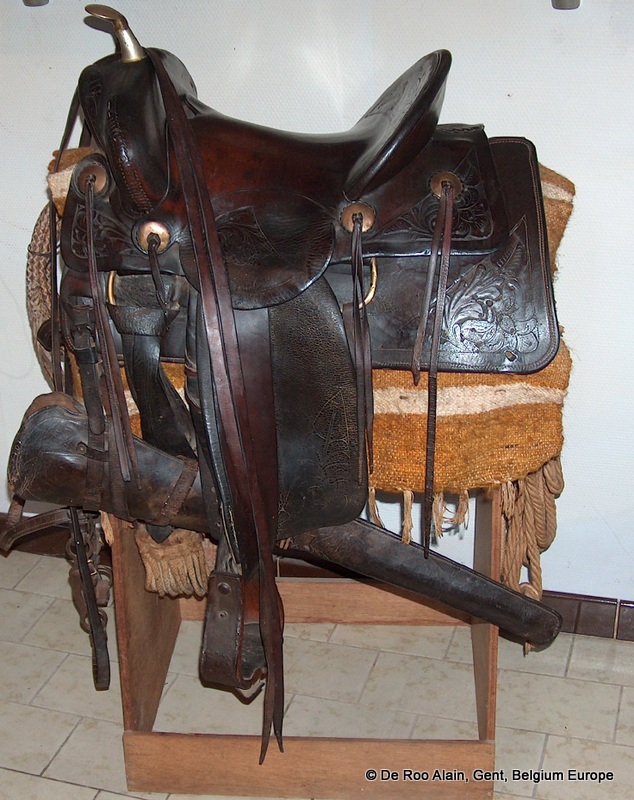
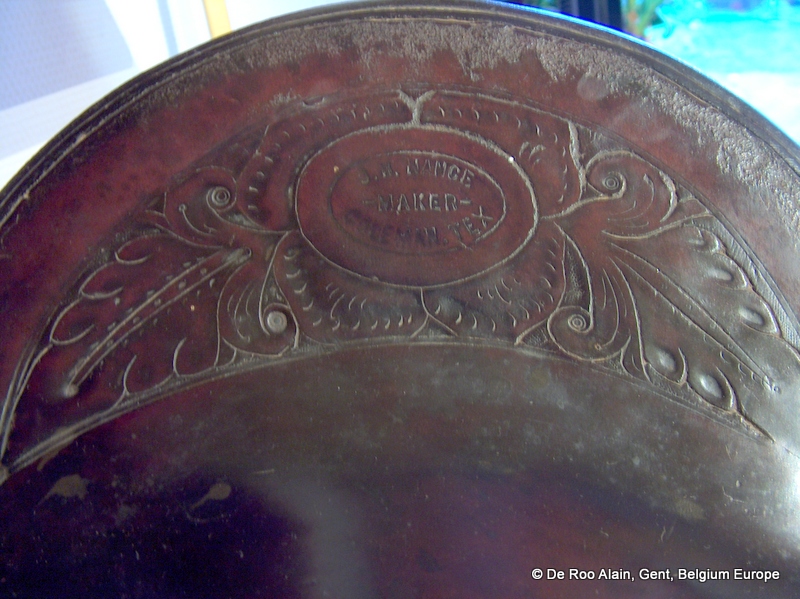
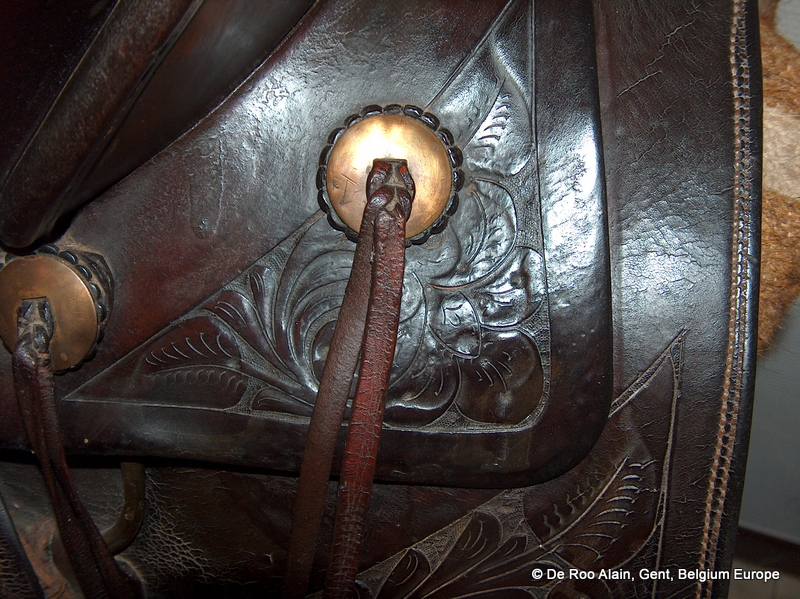
Saddle_Makers & Makers Marks: J.H Nance & Son of Coleman, Texas
Letter from Patricia Bailey 7/8/2022, 4:31 PM
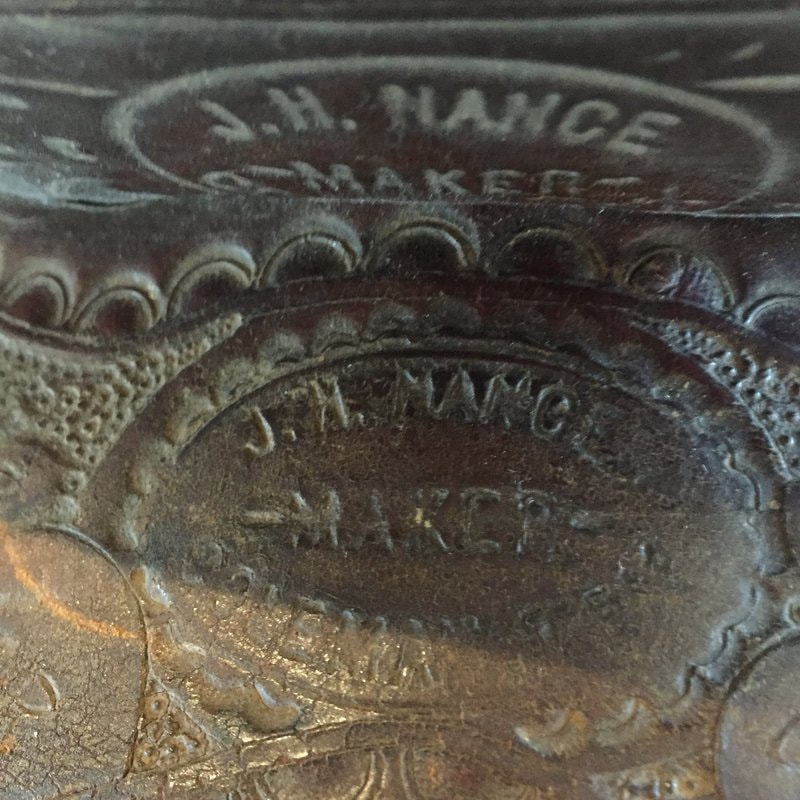
I note that you show photos of a 'J.H. Nance & Son' saddle on your site owned by a gentleman in Gent,[sic?], Belgium. [De Roo Alain, Gent, Belgium Europe]. You have done your homework about Nance saddles, and you ask for history of the shop. I do not have his email, but would be glad if you pass this remembrance on. How this saddle got to ‘Gent’/ Ghent from frontier Coleman, Texas is no doubt quite a story. The images look as if the saddle might be early enough to have been made by J.H. himself, but well used & cared for. And the early stamp says "J.H. Nance, Maker," which supports the idea that his son might not yet have been old enough to be added to the stamp, making this a really early saddle from the Nance shop.
My knowledge of the history of the shop is personal, at the tail end. The “ Son," in the later mark, B.A./Bennett Albert Nance, was my grandfather, and as a child, I spent summer afternoons mid-century playing in the back of the mythic saddle shop of J.H. Nance & Son.
Granddaddy regrettably passed away while I was in college and the entire shop and all the leather stamps and tools were quickly sold to someone who had worked for him. There was an incredible collection of close to 150 years of leatherwork pattern designs hanging on the back wall of the shop. I wish I had just one of them. They related to Arabic and Moroccan scrollwork leather patterns. As I recall, Tex Robin, father of the famous Texas custom boot-maker, had the boot and shoe repair shop for a while in the front of the long building, which stretched through an entire city block in Coleman and had huge double-height doors which could accommodate wagons and teams for harness repair in the old days. It appears his famous son may have return to Coleman.
I remember a group of old-timers sitting on rickety chairs in the back, whittling leather scraps and gossiping, with the door open to the alleyway. They were named the ’Spit and Whittle’ club by my Grandmother, who stayed away. In the winter there was an old pot-belly stove and that is how the group probably got started. They were the Western equivalent of the New England country-store enclave. There were big black half-barrels filled with tannin water to soften the leather, and if Granddaddy came home with his hands blackened, he always had ironed white huck towels in the bathroom to clean up with.
My first cousins both own J.H. Nance original collectable saddles, and my late brother had a small sellers’ miniature saddle which belonged to my mother. I only have miscellaneous eccentric items, including a beautiful thermos case and an early camera case, items he made, I believe, with great devotion when he was courting my Grandmother, Emma Alderson Gray, the oldest daughter of a pioneer Coleman County ranching family.
By the late 1950’s and early 1960’s, Bennett had competition from K-Mart with cheap ready-made saddles, but he still would create handmade fancy rodeo saddles and chaps for the rodeo association organizations.
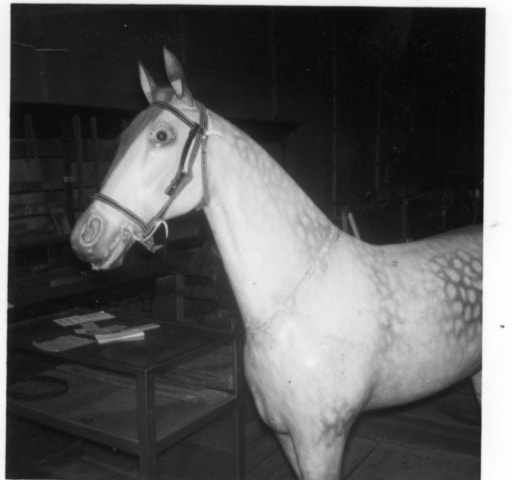
There was an amazing, unforgettable life-size wooden horse for display of saddles and harness garniture in the front of the store which is still remembered by some in Coleman. Dating from the era of “J.H.,” It was hand-painted as a dapple-grey and had a real mane & tail, leather ears and glass eyes. In the picture here, he has lost his mane and eyelashes and looks quite surprised to have survived. Fortunately, it was finally saved from further deterioration and in a small local museum when I was last in Coleman a decade or so ago. Here below is a picture of “Peaches” the horse, named by my cousin after his dog.
Epilogue: the shop had ceilings so high that it was at least two stories in height. The last time I was there, the Town of Coleman had bought the building and hung another story in the space with ugly modern drop ceilings and fluorescent lights. I believe it now houses county records.
—Patricia Bailey, granddaughter of Bennett Albert Nance
Letter from Patricia Bailey 7/8/2022, 4:31 PM
I note that you show photos of a 'J.H. Nance & Son' saddle on your site owned by a gentleman in Gent,[sic?], Belgium. [De Roo Alain, Gent, Belgium Europe]. You have done your homework about Nance saddles, and you ask for history of the shop. I do not have his email, but would be glad if you pass this remembrance on. How this saddle got to ‘Gent’/ Ghent from frontier Coleman, Texas is no doubt quite a story. The images look as if the saddle might be early enough to have been made by J.H. himself, but well used & cared for. And the early stamp says "J.H. Nance, Maker," which supports the idea that his son might not yet have been old enough to be added to the stamp, making this a really early saddle from the Nance shop.
My knowledge of the history of the shop is personal, at the tail end. The “ Son," in the later mark, B.A./Bennett Albert Nance, was my grandfather, and as a child, I spent summer afternoons mid-century playing in the back of the mythic saddle shop of J.H. Nance & Son.
Granddaddy regrettably passed away while I was in college and the entire shop and all the leather stamps and tools were quickly sold to someone who had worked for him. There was an incredible collection of close to 150 years of leatherwork pattern designs hanging on the back wall of the shop. I wish I had just one of them. They related to Arabic and Moroccan scrollwork leather patterns. As I recall, Tex Robin, father of the famous Texas custom boot-maker, had the boot and shoe repair shop for a while in the front of the long building, which stretched through an entire city block in Coleman and had huge double-height doors which could accommodate wagons and teams for harness repair in the old days. It appears his famous son may have return to Coleman.
I remember a group of old-timers sitting on rickety chairs in the back, whittling leather scraps and gossiping, with the door open to the alleyway. They were named the ’Spit and Whittle’ club by my Grandmother, who stayed away. In the winter there was an old pot-belly stove and that is how the group probably got started. They were the Western equivalent of the New England country-store enclave. There were big black half-barrels filled with tannin water to soften the leather, and if Granddaddy came home with his hands blackened, he always had ironed white huck towels in the bathroom to clean up with.
My first cousins both own J.H. Nance original collectable saddles, and my late brother had a small sellers’ miniature saddle which belonged to my mother. I only have miscellaneous eccentric items, including a beautiful thermos case and an early camera case, items he made, I believe, with great devotion when he was courting my Grandmother, Emma Alderson Gray, the oldest daughter of a pioneer Coleman County ranching family.
By the late 1950’s and early 1960’s, Bennett had competition from K-Mart with cheap ready-made saddles, but he still would create handmade fancy rodeo saddles and chaps for the rodeo association organizations.
There was an amazing, unforgettable life-size wooden horse for display of saddles and harness garniture in the front of the store which is still remembered by some in Coleman. Dating from the era of “J.H.,” It was hand-painted as a dapple-grey and had a real mane & tail, leather ears and glass eyes. In the picture here, he has lost his mane and eyelashes and looks quite surprised to have survived. Fortunately, it was finally saved from further deterioration and in a small local museum when I was last in Coleman a decade or so ago. Here below is a picture of “Peaches” the horse, named by my cousin after his dog.
Epilogue: the shop had ceilings so high that it was at least two stories in height. The last time I was there, the Town of Coleman had bought the building and hung another story in the space with ugly modern drop ceilings and fluorescent lights. I believe it now houses county records.
—Patricia Bailey, granddaughter of Bennett Albert Nance
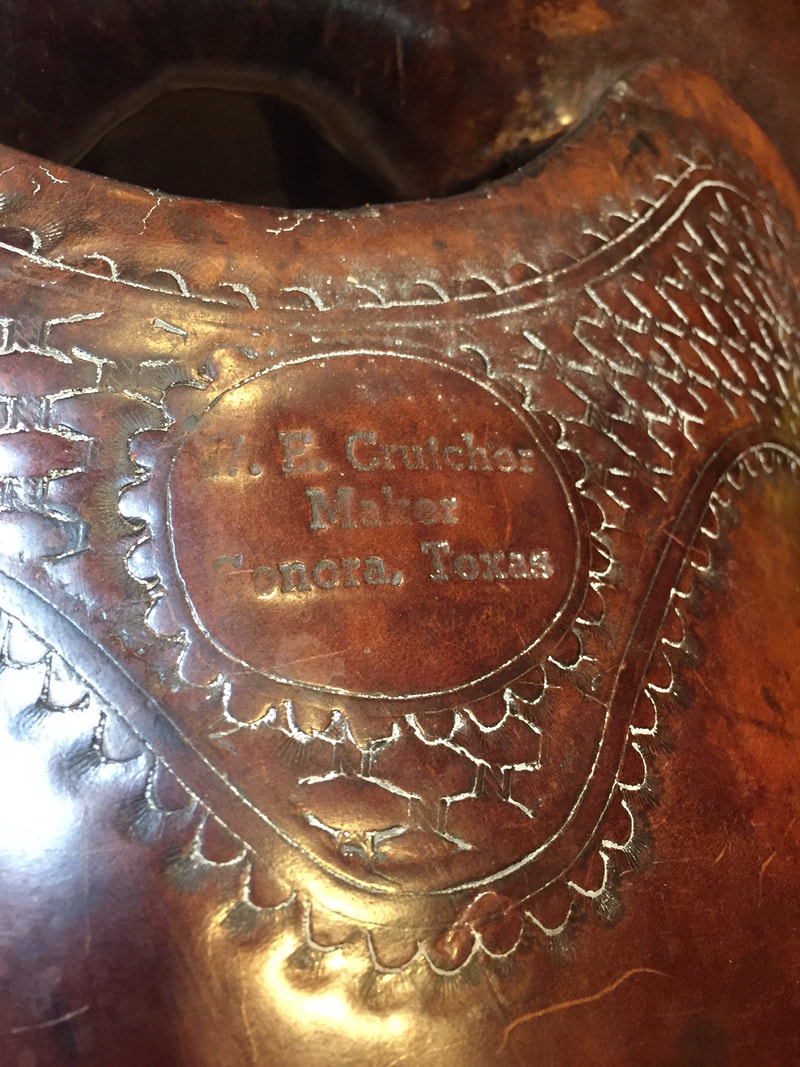
W.E. Crutcher Sonora, Texas
Our family has owned this saddle since the 1960's It was received as a gift from the original owner who owned a large cattle ranch near Sonora Texas I think it was made between 1930 and 1940. The saddle was made by W.E. Crutcher Sonora, Texas William Elmo Crutcher was born in 1871 and died in 1952. I'm just wondering if anyone has heard of the saddle maker or has any additional info on him or this saddle. Is there anyway to get a better idea of when it was made? Thanks very much, Tamara

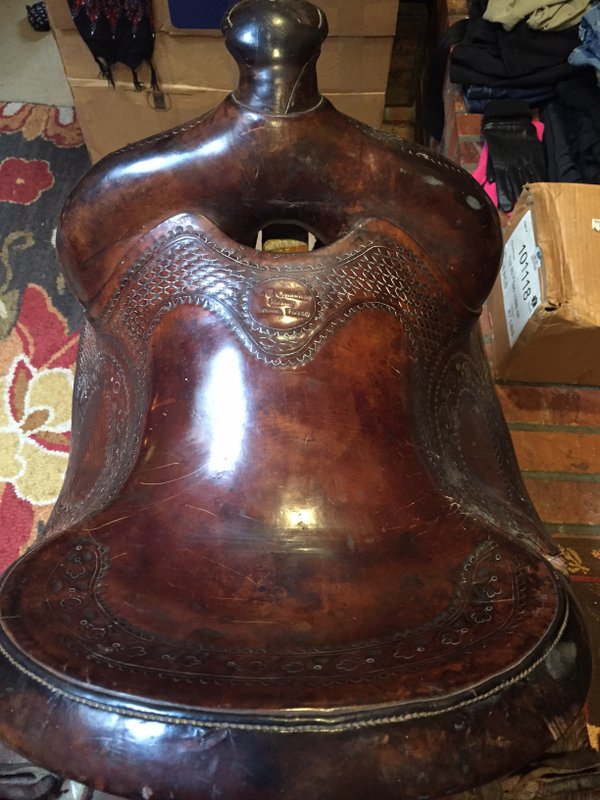

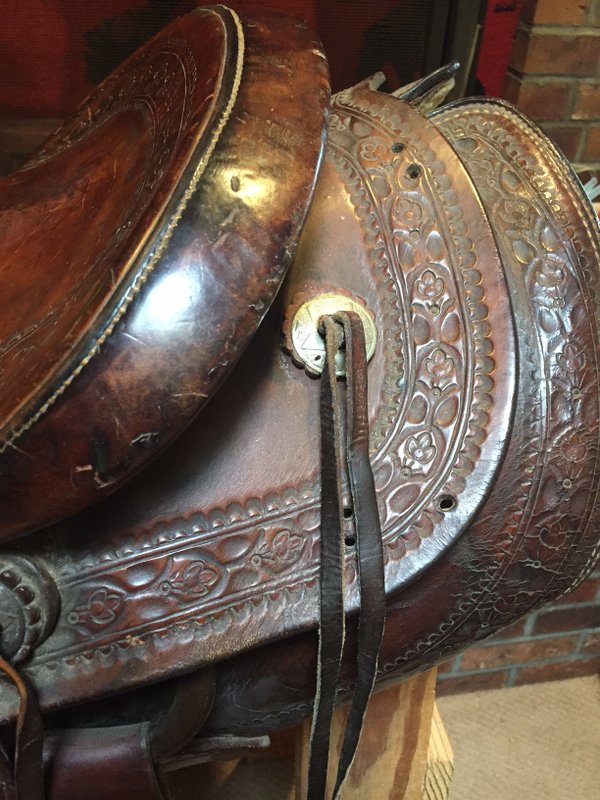
Vernon Poor, Abilene, Texas
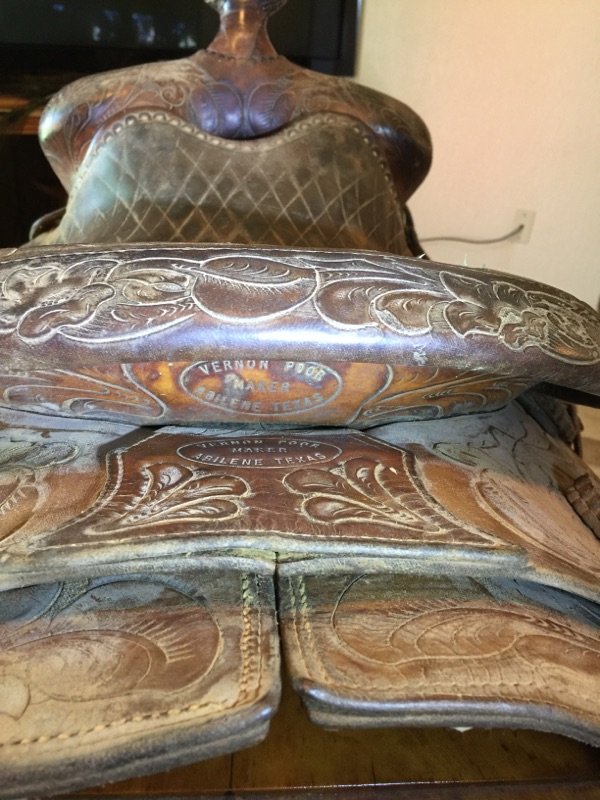
"Hello! My name is Lacey Boles-Poor. My grandfather, Vernon Poor, made saddles in Abilene Texas in the 40s-60s. He passed away in 1965. We only know of 2 existing saddles. One that he was working on when he passed away and another our neighbor had purchased and recently gave back to us. I am looking for any others I can find. I would like to know their stories, get pictures, or possibly return them to our family members. I can send a picture of his mark if it would be helpful. Any contacts you could give me would be great!! Thank you for your time and consideration." "I do know that my grandfather owned a shop called Stockman's supply in Abilene, Texas and also had a shop inside the auction barn. Please feel free to post my email address and if you need any more information, please contact me. My phone number is 325-668-5639 laceyboles@icloud.com"
Ramsey & Ford Makers - San Antonio, Texas
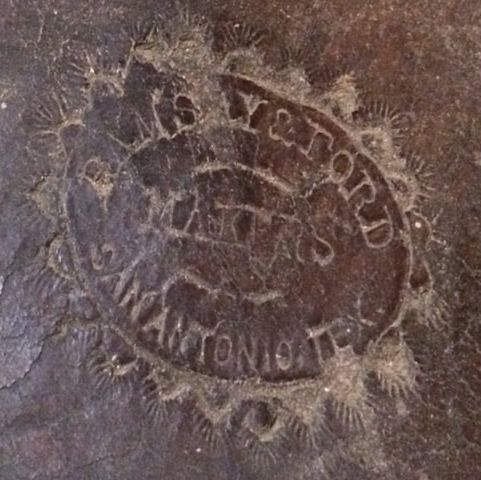
Photo courtesy of Sally J. Durbin
Ramsey-Ford Saddle company was in San Antonio 1870s-1880-1890s.
JK Ramsey and FW (Ford) Sibert formed a partnership during those years – next to the Frank Saddlery in San Antonio Texas. |
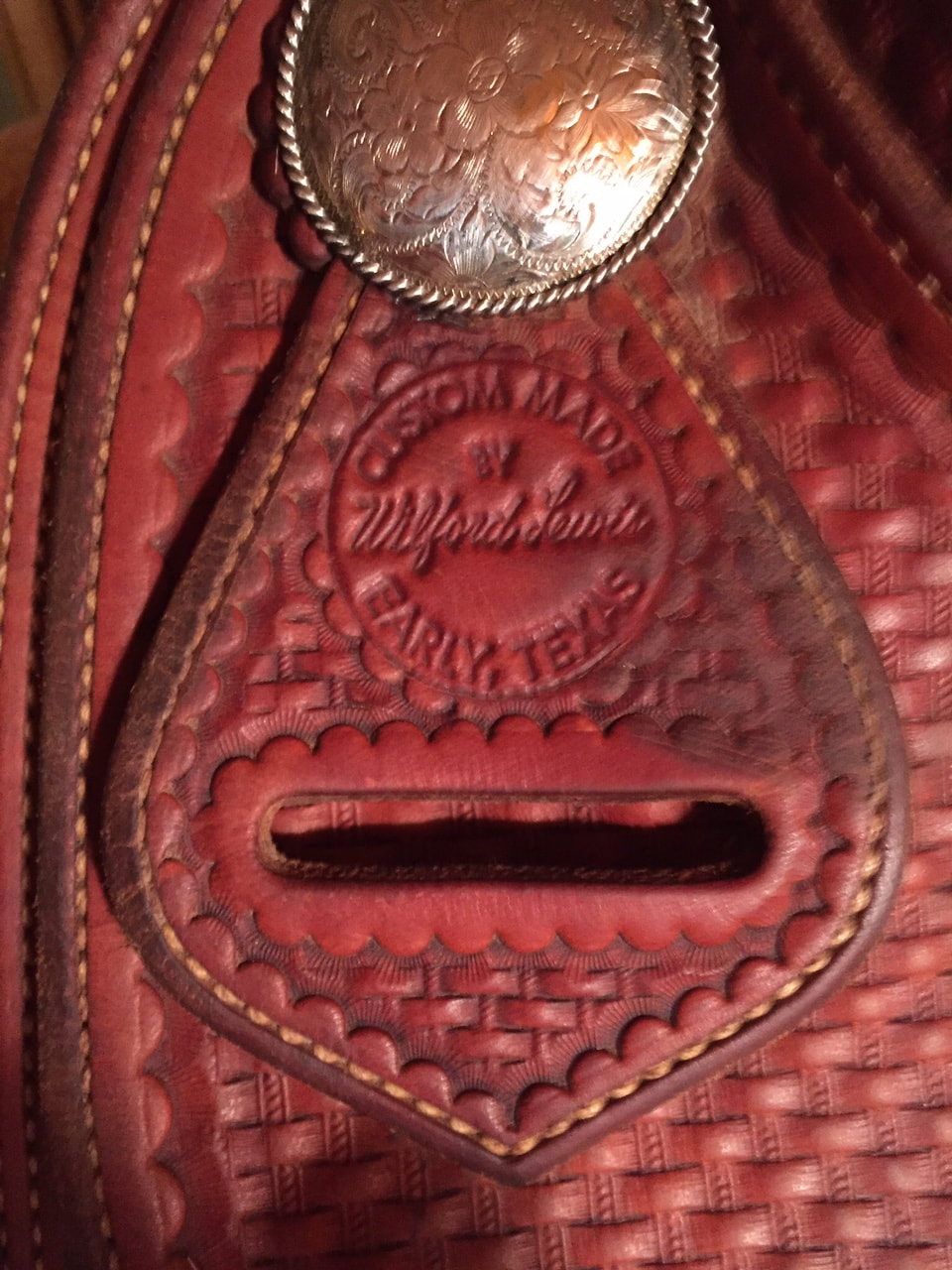
Wilford Lewis
|
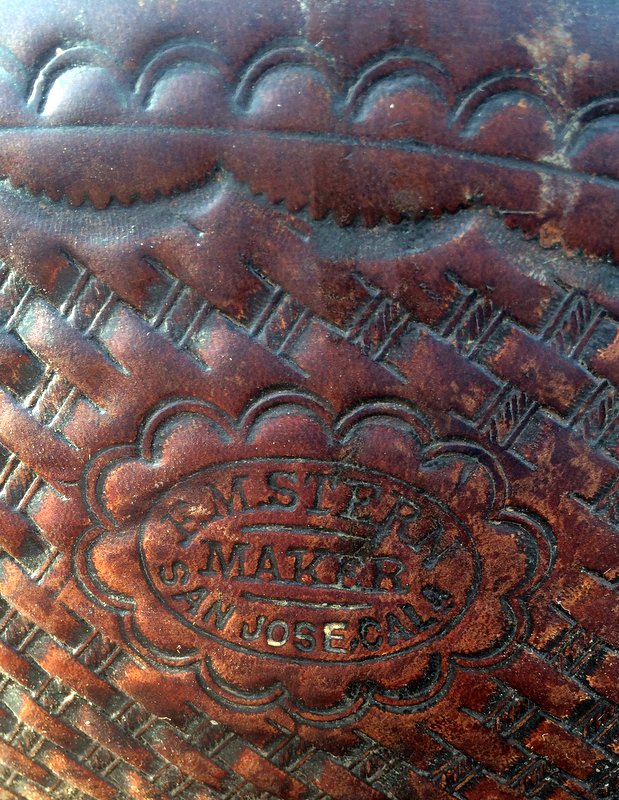
Fred M. Stern
|
R. E. Dohaho - San Angelo, Texas
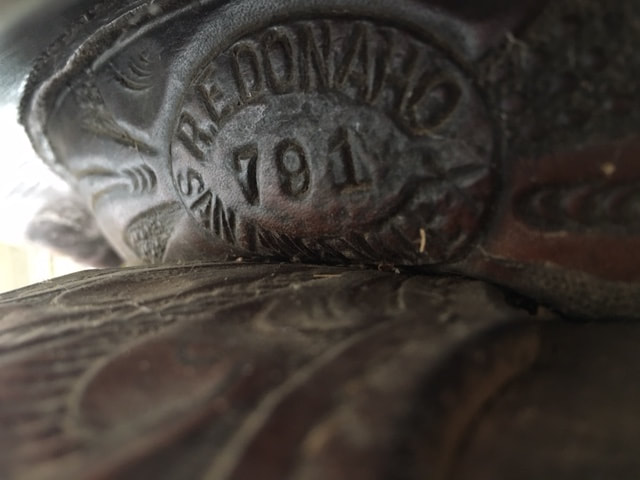
Photo courtesy of Pam Sommers
|
In 1890, Jim Coleman and R. J. Andrew came to San Angelo, Texas from Lampasas, Texas and began the Famous Concho Saddles company. Around 1903, Coleman sold the shop to Bernie Alexander. Andrew stayed as foreman and manger, bought to shop around 1909 and ran it til his death in 1936. That same year Mrs. Andrews sold the business to Robert "Bob" E. Donaho, a long-time employee. He operated the business until his death January 1, 1954. His widow sold half the business to her son-in-law Rector Story who had been employed there since 1938. In 1939 had married Maxine Donaho. After Mrs. Donaho died, the Storys inherited the second half of the business. They eventually sold the shop in 1993 to Jeff and Karen Kimball who continue to run the business ensuring heritage and quality.
|
The three saddle company logos and photos below were supplied courtesy of Cindy Tenney
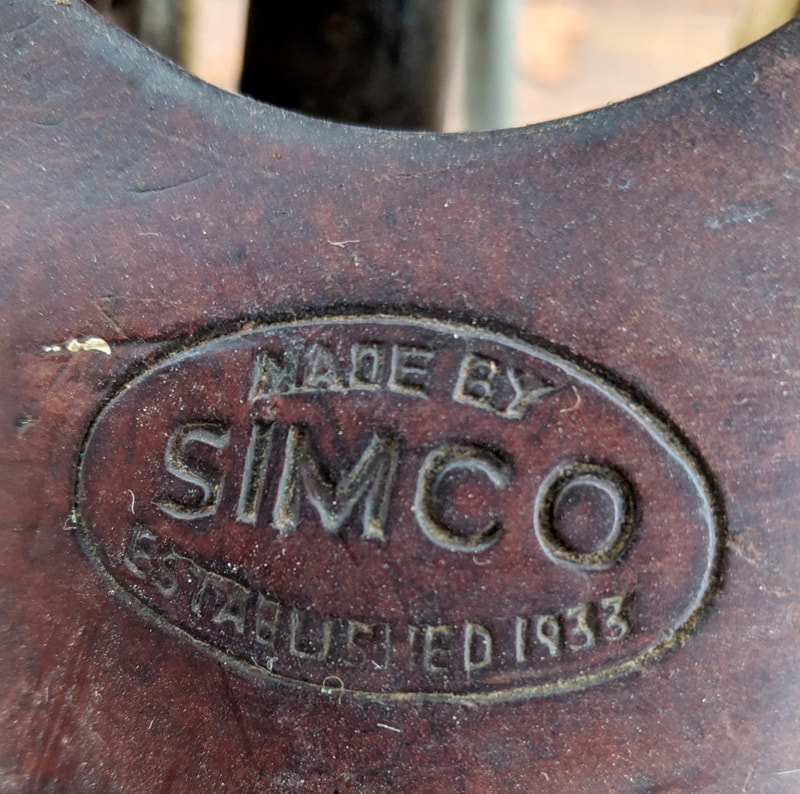
SIMCO |
Simco Leather Company, Chattanooga, Tennessee, active 1933 to present.
|
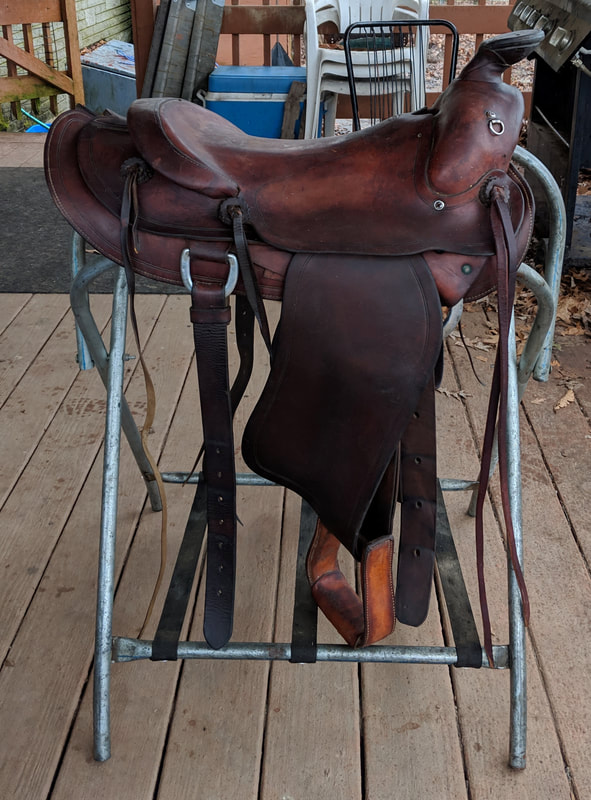
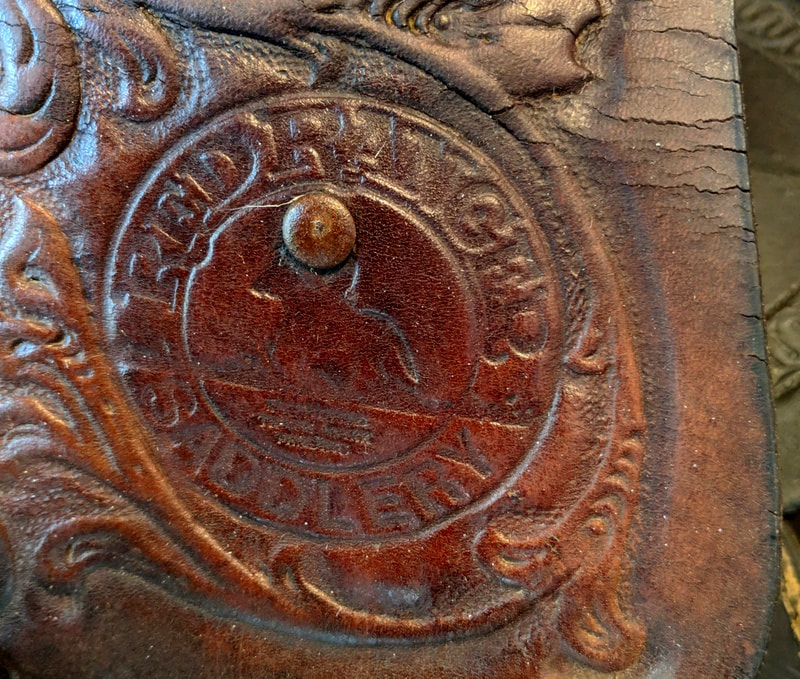
Red Ranger |
Red Ranger Saddlery was a production saddle maker out of Chattanooga, Tennessee in the 1950s to the 1970s. They made the pony saddle below.
|
L. V. Frazer |
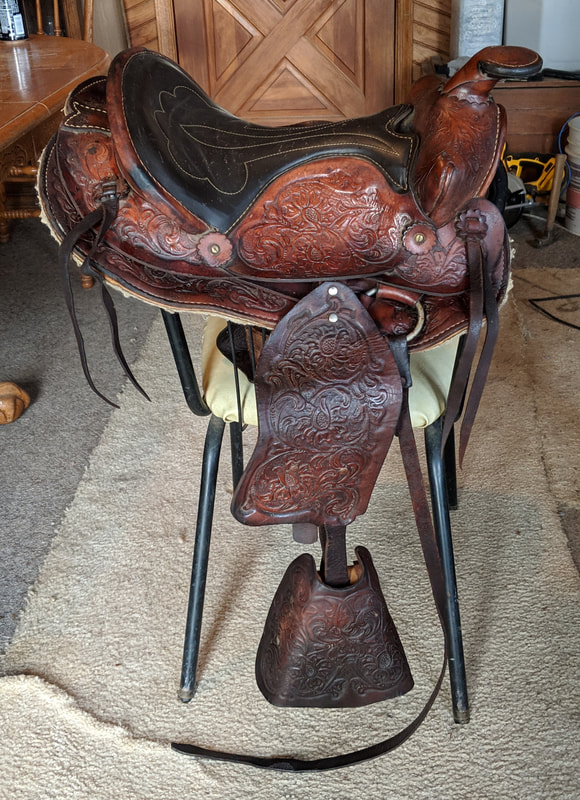
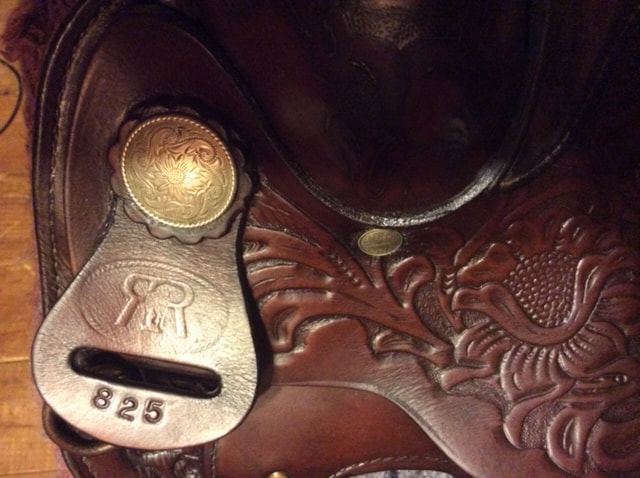
L. V Frazer operated in Indianapolis, Indiana in the 1930s and 1940s.
|

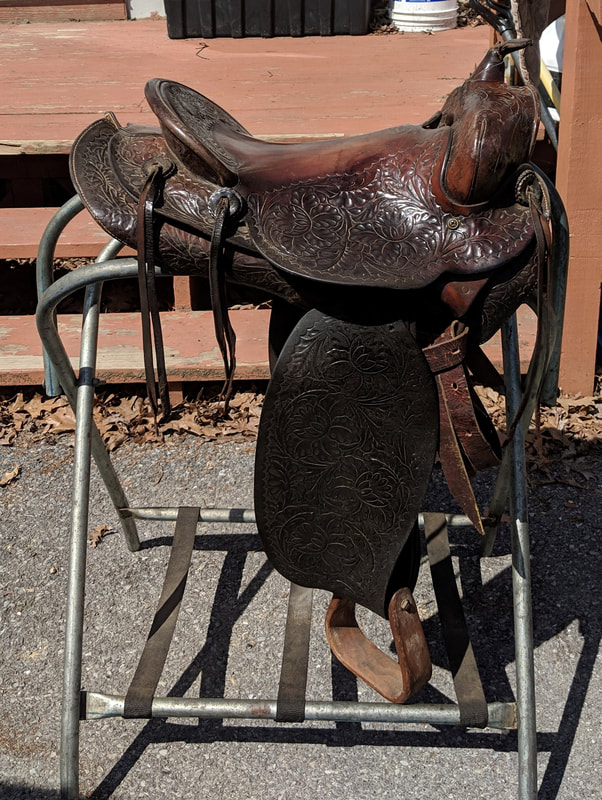
J. C. Higgins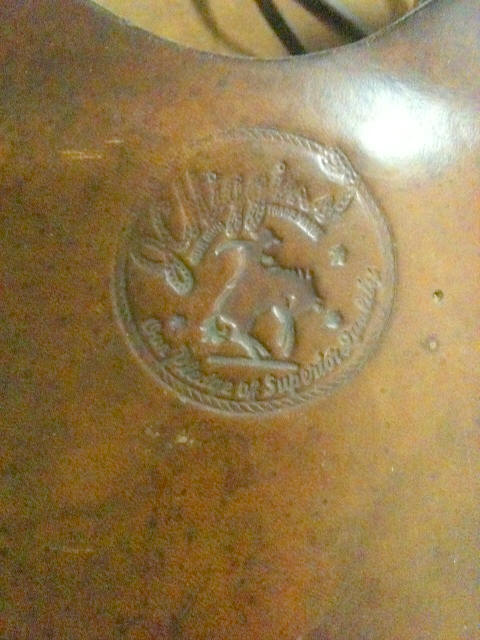
Photo courtesy of Tess Voisard
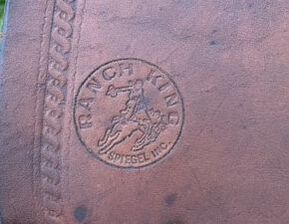
From 1908 until 1962, Sears, Roebuck & Company sold a wide variety of sporting goods and recreational equipment including saddles and rifles, under the brand name "J. C. Higgins.” We have been told Bona Allen made saddles for Sears, for Western Auto and for Montgomery Ward. |
|

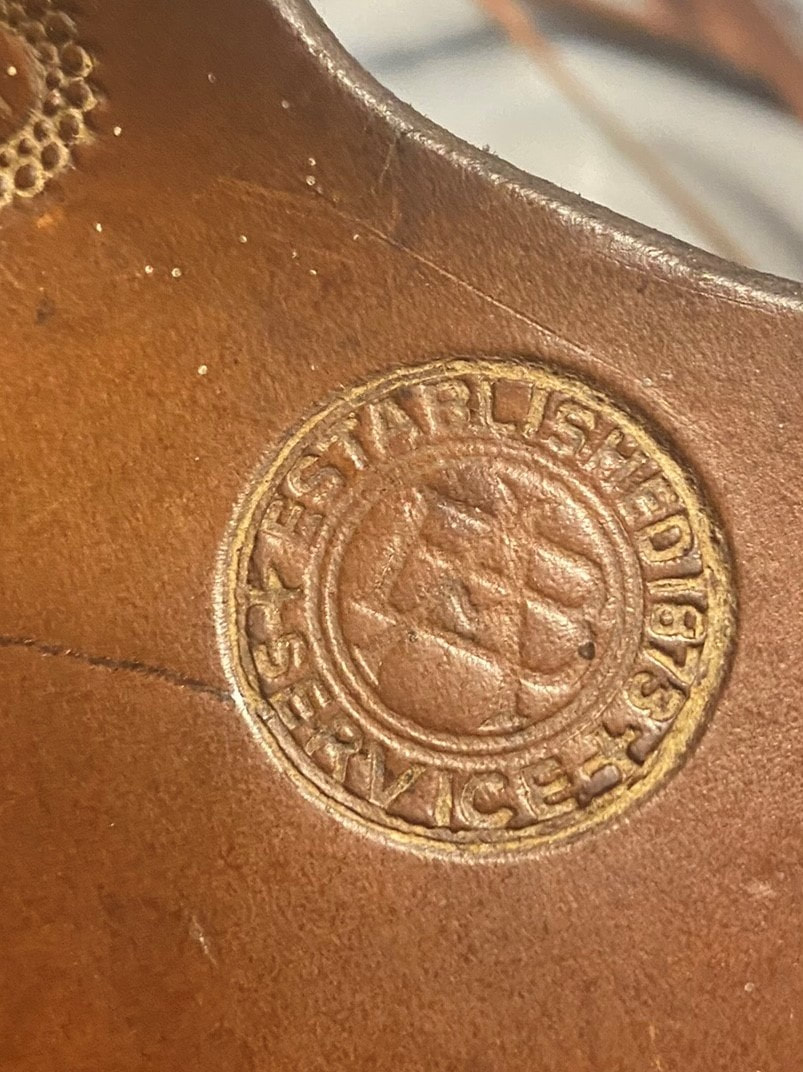
Bona Allen
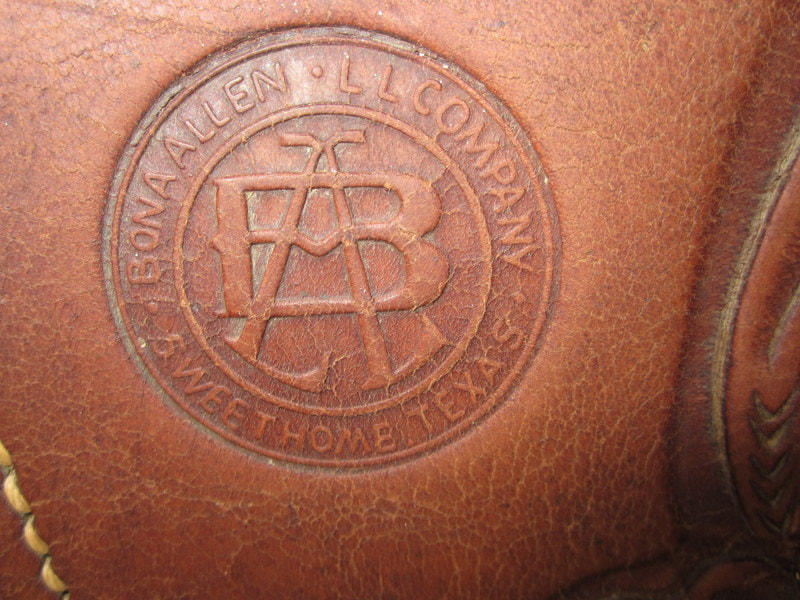
Bonaparte Allen established his saddlery and tanning company in Buford, Georgia in 1873. When he died in 1926, he left the company to his employees. The company was sold to Tandy corp., makers of TexTan saddles, around 1970 and moved to Sweet Home, Texas. For several years the saddle-making went dormant. At some point in the late 80s or early 90s, it was supposedly sold to Foxwood Manufacturing of Illinois. The tannery had a fire in 1981 which closed it down.
Similar information appears in Wikipedia.
Similar information appears in Wikipedia.
Side Saddles
I specialize in ladies sidesaddles and have been dealing in them for 35+ years, these two are part of my private collection. Marti Friddle VP American Sidesaddle Assn. ASA Certified Instructor http://hundredoaksinc.com " He has written extensively on this subject, and for further reading interested parties can purchase his book "The Sidesaddle Legacy", through Amazon.com
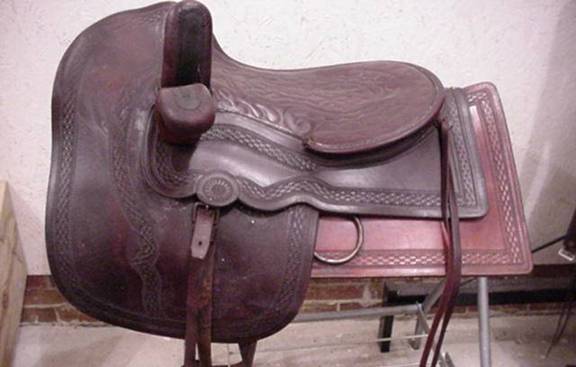
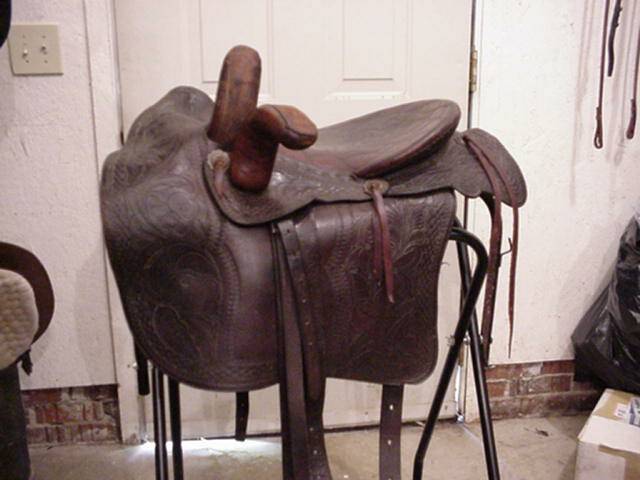
I think the mystery of the "medallion sidesaddles" has been solved! I'd sent you photos of 2 western sidesaddles that are on display in our shop. Both have the distinctive "medallion" or "sunflower" design on them, and have other very similar elements, such as a handhold (somewhat rare in sidesaddles) and a pretty purse on the right side of the saddle. Fellow sidesaddle enthusiast and saddle maker Lillian Chaudhary of Willows, CA sent me the information shown on the attached black & white photos. The saddle in her photos was made by J S Calles, Prescott, AZ. Prior to finding the saddle in Oregon, nobody's had an exact date on these western sidesaddles. The b&w photocopy I emailed you gives a date of 1866. It's quite possible that's correct, although documenting it will be difficult. The "Goodnight Style" sidesaddle came into being during the late 1880s, 1890s. The sidesaddle generally fell out of use prior to WWI (1917) in the US. Interestingly, I know of 3 of these saddles that were found in Oregon, and both of mine came from California.
I think the mystery of the "medallion sidesaddles" has been solved! I'd sent you photos of 2 western sidesaddles that are on display in our shop. Both have the distinctive "medallion" or "sunflower" design on them, and have other very similar elements, such as a handhold (somewhat rare in sidesaddles) and a pretty purse on the right side of the saddle. Fellow sidesaddle enthusiast and saddle maker Lillian Chaudhary of Willows, CA sent me the information shown on the attached black & white photos. The saddle in her photos was made by J S Calles, Prescott, AZ. Prior to finding the saddle in Oregon, nobody's had an exact date on these western sidesaddles. The b&w photocopy I emailed you gives a date of 1866. It's quite possible that's correct, although documenting it will be difficult. The "Goodnight Style" sidesaddle came into being during the late 1880s, 1890s. The sidesaddle generally fell out of use prior to WWI (1917) in the US. Interestingly, I know of 3 of these saddles that were found in Oregon, and both of mine came from California.

Modern sidesaddle maker:
"I stumbled onto your web site by accident while searching for another site. I found it very interesting. I wanted to send photos of some modern sidesaddles I have made. I have restored many Vintage Sidesaddles as well. Most people think the sidesaddle is a thing of the past but many of my clients have orthopedic problems and can not ride astride a horse any more. I have made off side sidesaddles for clients who have lost a leg to cancer but refused to give up riding horseback. Also there are many men as well as women who ride aside. In the past there were men who rode aside, including George Washington and Thomas Jefferson and the Marquis De Lafayette. In their older years they were so stove up with arthritis and rheumatism they could not ride astride. I am sending a few sidesaddle photos of sidesaddles I have made." Kind regards, Lillian Chaudhary Heritage Tack & Saddlery
Willows CA 95988
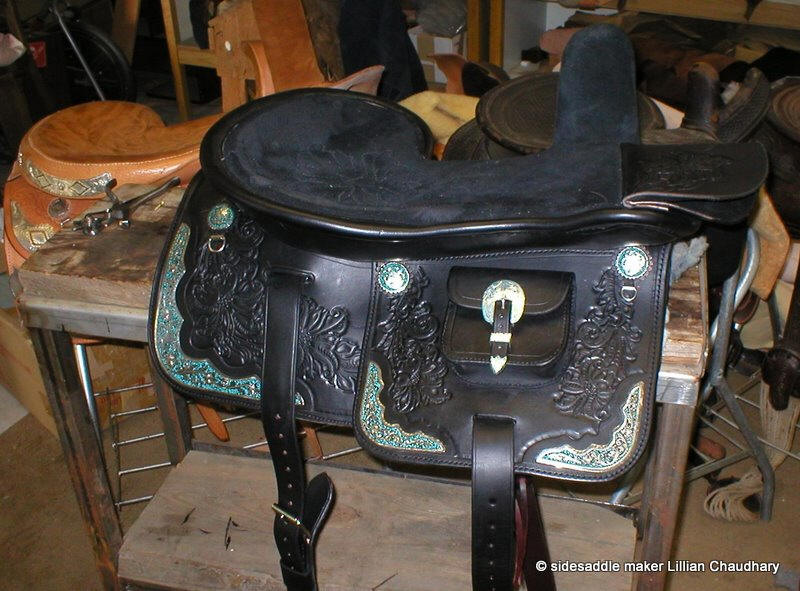
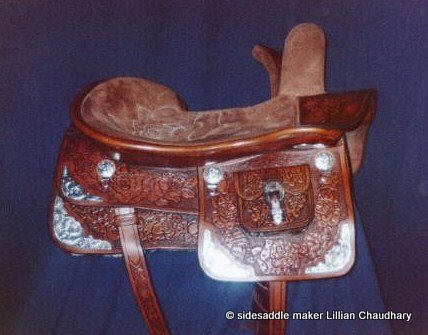
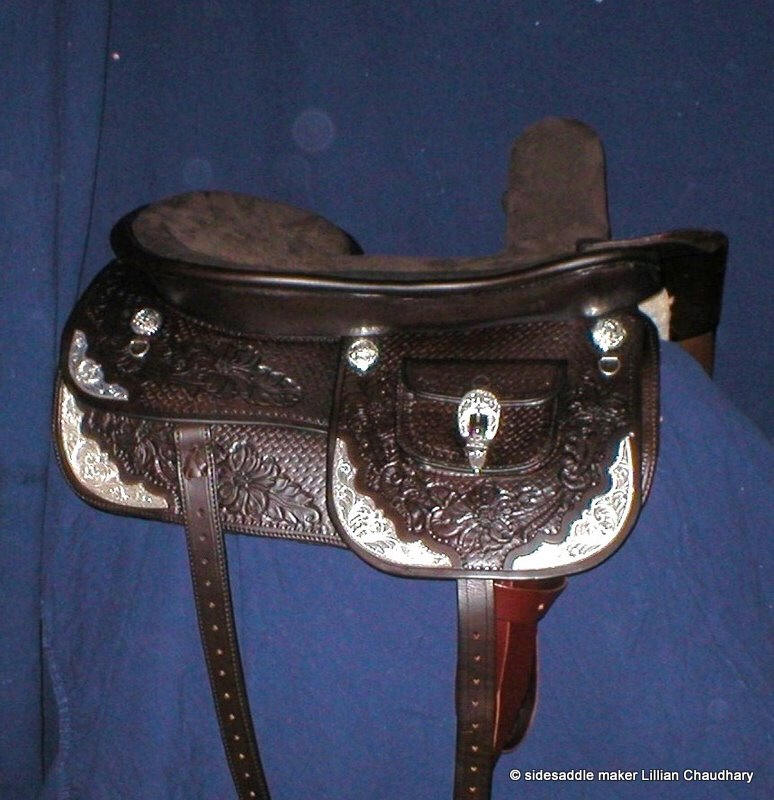
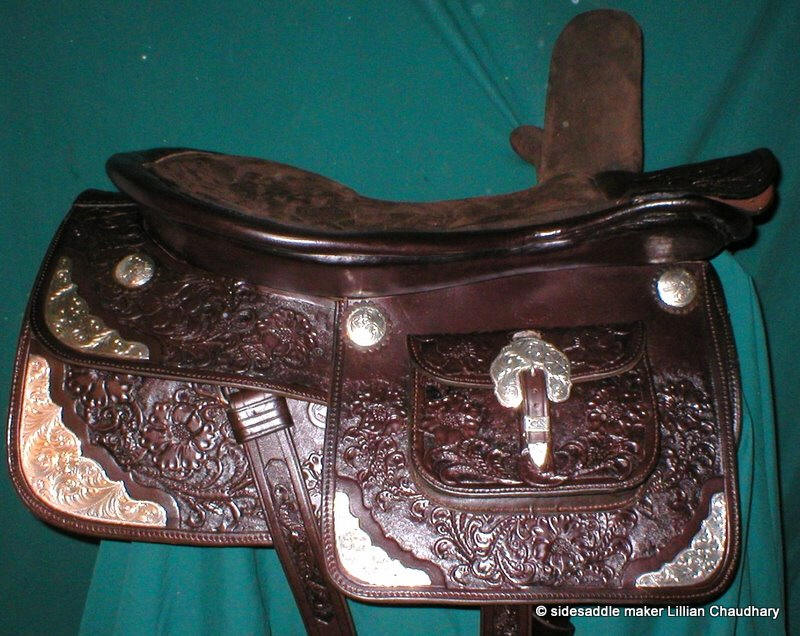
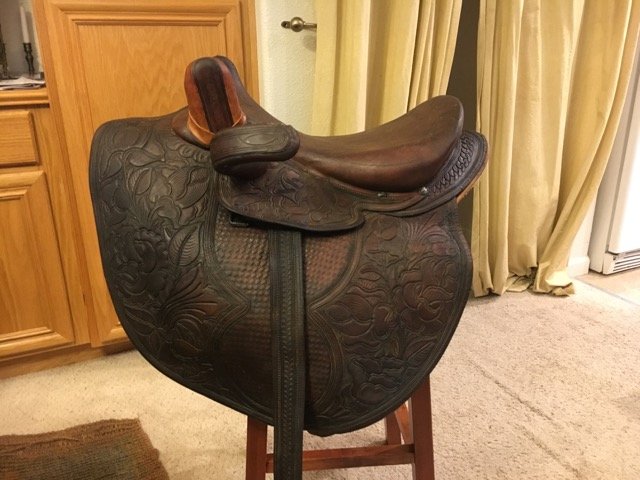
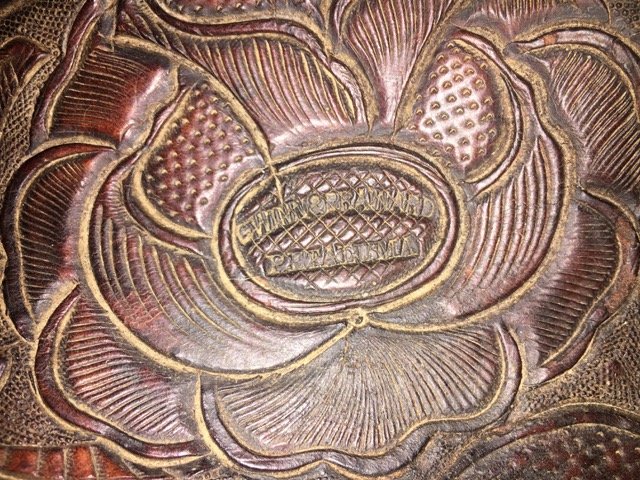
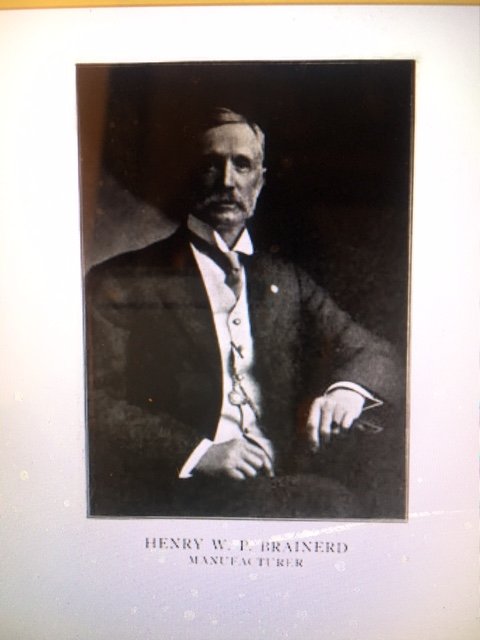
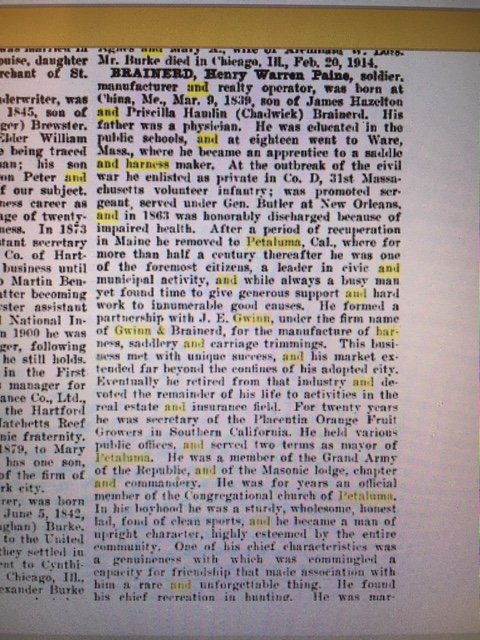
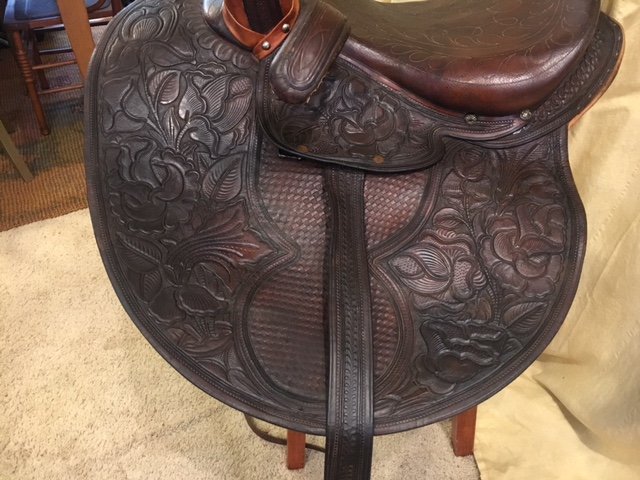
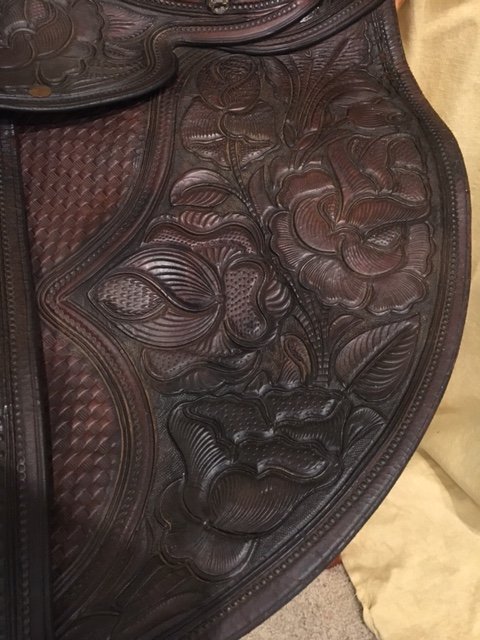
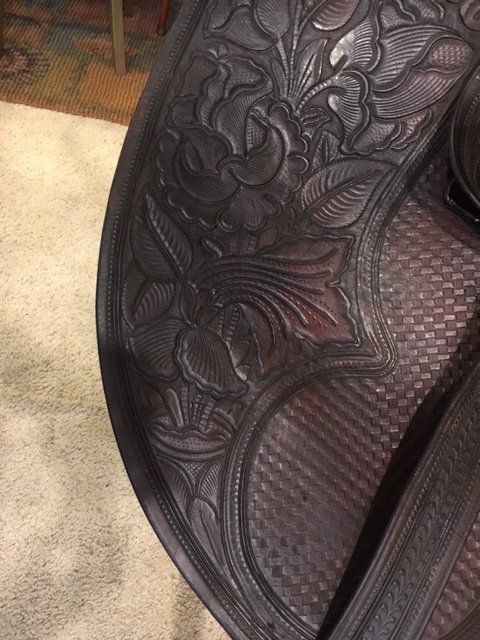
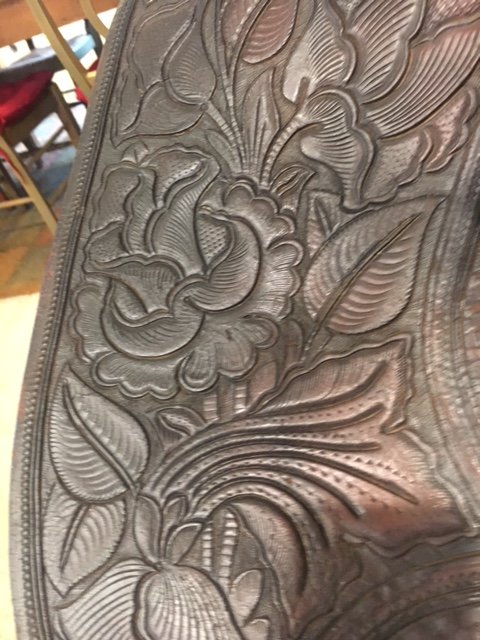
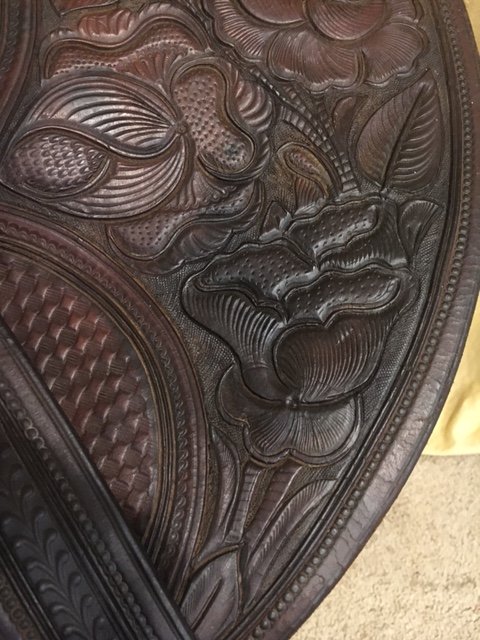
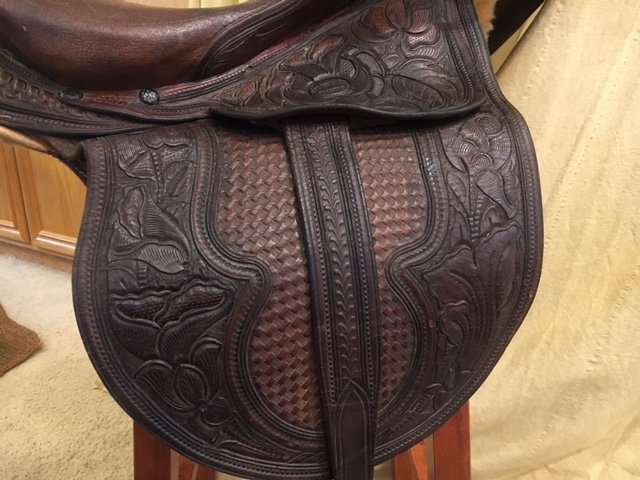
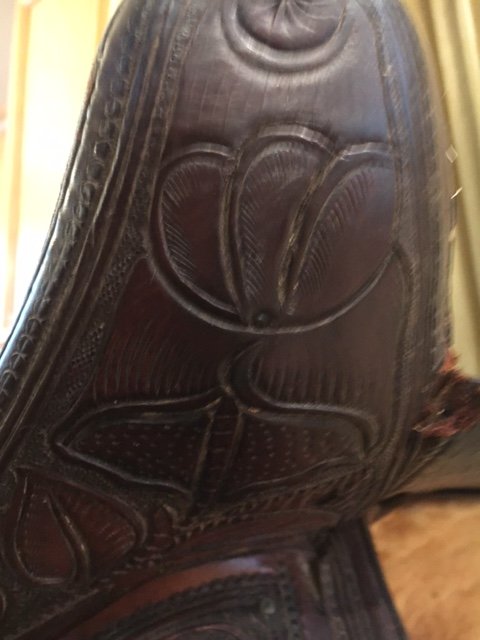
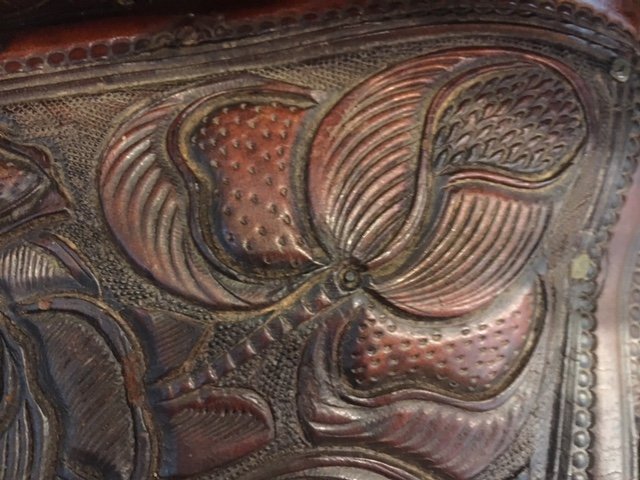
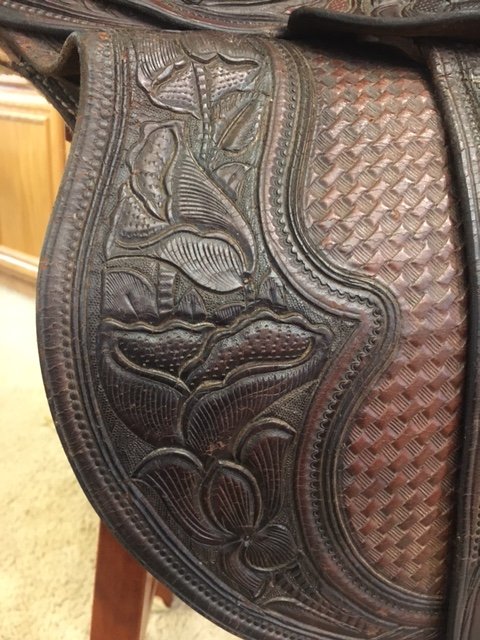
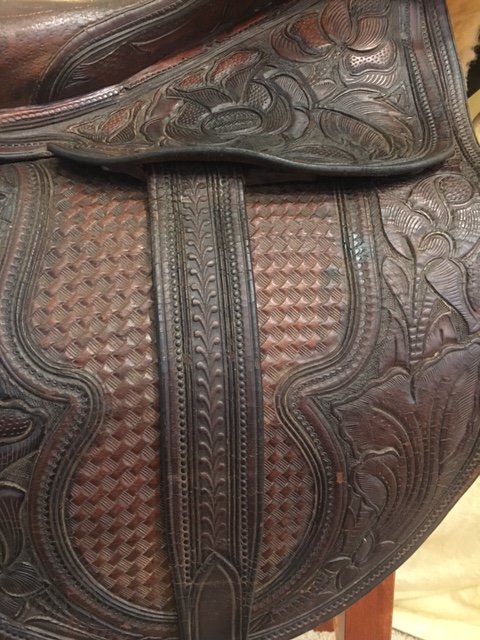
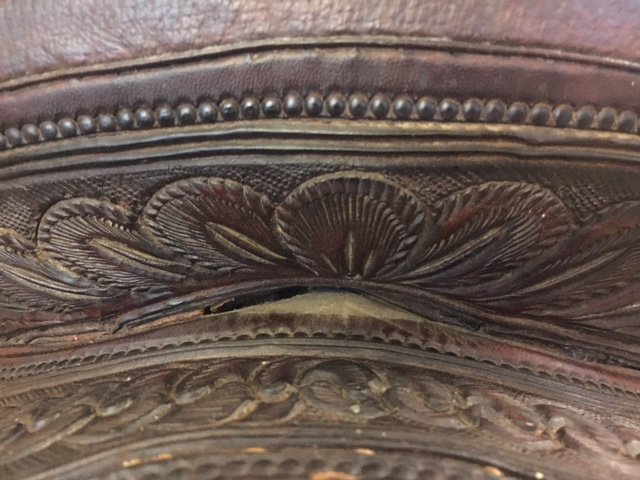
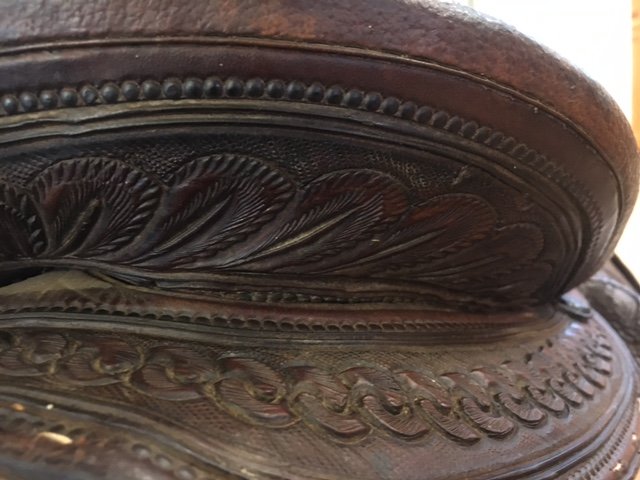
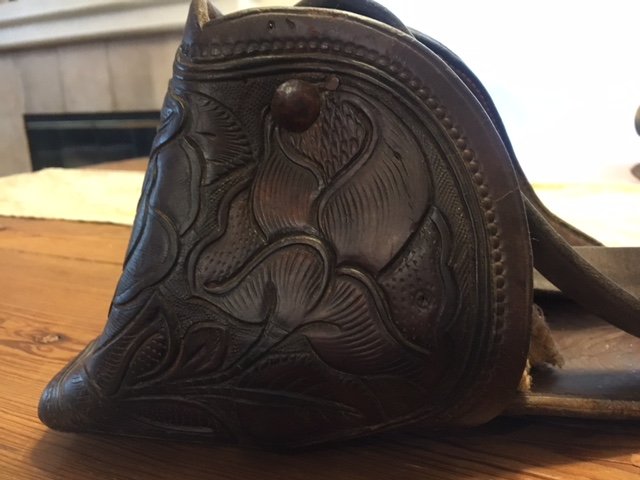
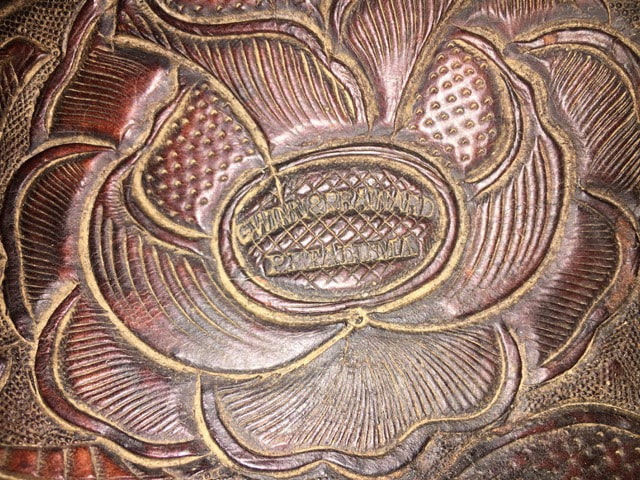
Western side saddle made by Gwinn & Brainard, Petaluma, California between 1867 and 1880.
"I am going to sell this saddle, if you know of any collectors who might be interested. Thanks, Melissa Wessel 707-481-7855 phone or text."


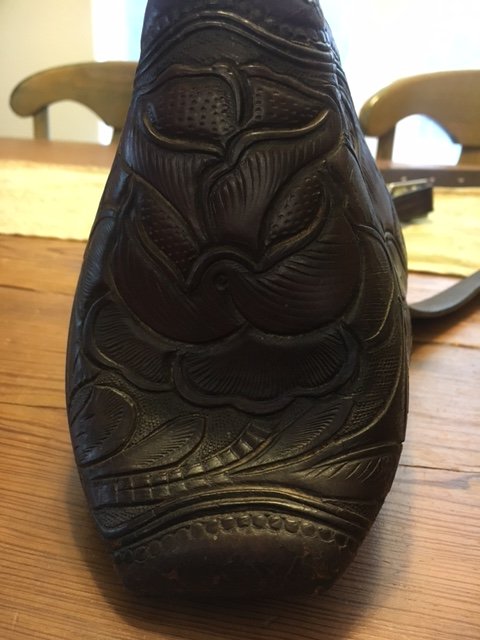
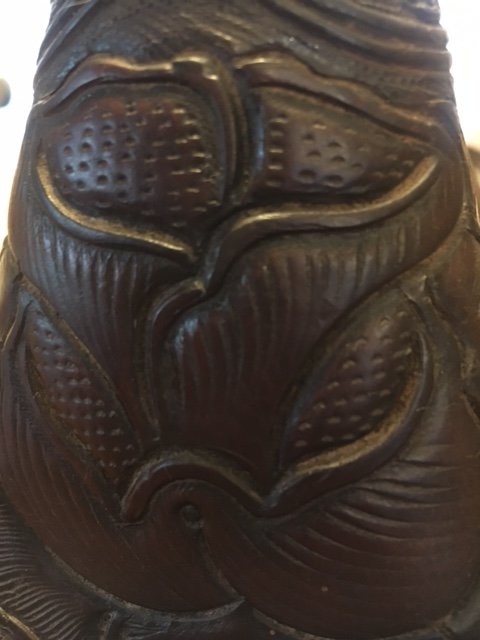
Porter Saddles
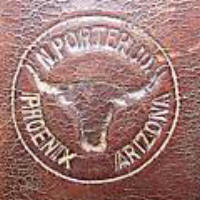
Newton Porter, originally from Texas, opened a shop in Phoenix, Arizona around 1898. He died around 1912 but his sons were among the most important saddlemakers in the world during the 1930s and 1940s. From the 1890s through the 1960s, Porter's Saddles employed two dozen or more master craftsmen, who tooled and sewed the saddles. Their saddles were world famous for being among the finest made. They also mentored apprentices who often opened their own shops.
|
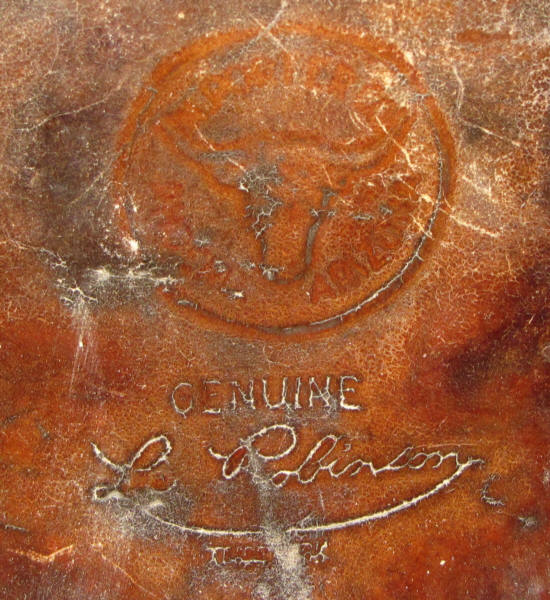 N. Porter Phoenix, Arizona
Genuine Lee Robinson Trademark N. Porter Phoenix, Arizona
Genuine Lee Robinson Trademark
|

William N. Porter was a saddlemaker in Phoenix 1950s-1960s. Not the same company, but probably a relative.
Photo courtesy of Beth
|
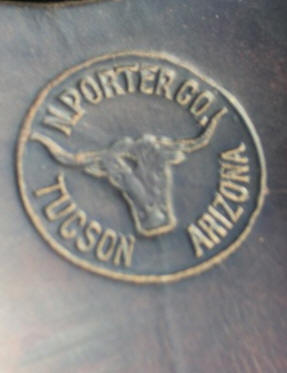
N Porter Co. Tucson, Arizona
"Porter Saddlery started out in a canvas tent just after the Civil War in Abilene, KS..Newton Porter (N Porter) was the first, hence the stamp. In 1888, they moved to Washington State. By the early 1900s, they had set up shop in Phoenix with clientele in Tucson and southern Arizona serviced by a traveling sales wagon. Harold Porter was born in Phoenix. Harold picked up the reins of the family business in 1925 when his father passed. In the 1930s, Harold moved to Tucson and set-up a brick and mortar store, strictly saddlery, on Congress Street. Slowly Harold introduced Western wear to the mix. He took the striped. lighter fabric of the gambler's pants and had his tailor create a new, lighter weight version of the frontier pant, just for himself at first. However, they soon were in demand as a staple wear among the men folk in the area. Back then, squaw skirt outfits were what every well-dressed Tucson lady clamored to wear and Harold gave them what they wanted. He had four or five seamstresses creating them exclusively under the Porter label. I still have one, my grandma's, that I wear with pride. In the late 1930s, Porter's moved, up-scaled they called it, to a store in the Pioneer hotel. Porter's was frequented both by your average cowboy and a whole string of celebrities. In 1963, they moved to a larger store in the 800 block of N. Stone Ave. He chose the location because it allowed his cowboy clientele to pull in and park with their horse trailers. Porter's closed their doors on April 1, 1983 due to Harold's poor health. He died 5 years later at the age of 84. Interestingly, it wasn't Harold or any of his descendants or kin who built the saddles with the Porter stamp in Tucson, at least.
In the late 1920s, Porter's built and presented the trophy saddle to Lee Anderson at the Tucson Rodeo. It was the predecessor to the modern day roping saddle. In the Tucson area, if you sat a Porter saddle, it meant you had made something of yourself. I have my Grandfather's Porter with its custom tapaderos, circa 1929."
Information courtesy of Catherine Lilbit Devine, Tucson, AZ
"Porter Saddlery started out in a canvas tent just after the Civil War in Abilene, KS..Newton Porter (N Porter) was the first, hence the stamp. In 1888, they moved to Washington State. By the early 1900s, they had set up shop in Phoenix with clientele in Tucson and southern Arizona serviced by a traveling sales wagon. Harold Porter was born in Phoenix. Harold picked up the reins of the family business in 1925 when his father passed. In the 1930s, Harold moved to Tucson and set-up a brick and mortar store, strictly saddlery, on Congress Street. Slowly Harold introduced Western wear to the mix. He took the striped. lighter fabric of the gambler's pants and had his tailor create a new, lighter weight version of the frontier pant, just for himself at first. However, they soon were in demand as a staple wear among the men folk in the area. Back then, squaw skirt outfits were what every well-dressed Tucson lady clamored to wear and Harold gave them what they wanted. He had four or five seamstresses creating them exclusively under the Porter label. I still have one, my grandma's, that I wear with pride. In the late 1930s, Porter's moved, up-scaled they called it, to a store in the Pioneer hotel. Porter's was frequented both by your average cowboy and a whole string of celebrities. In 1963, they moved to a larger store in the 800 block of N. Stone Ave. He chose the location because it allowed his cowboy clientele to pull in and park with their horse trailers. Porter's closed their doors on April 1, 1983 due to Harold's poor health. He died 5 years later at the age of 84. Interestingly, it wasn't Harold or any of his descendants or kin who built the saddles with the Porter stamp in Tucson, at least.
In the late 1920s, Porter's built and presented the trophy saddle to Lee Anderson at the Tucson Rodeo. It was the predecessor to the modern day roping saddle. In the Tucson area, if you sat a Porter saddle, it meant you had made something of yourself. I have my Grandfather's Porter with its custom tapaderos, circa 1929."
Information courtesy of Catherine Lilbit Devine, Tucson, AZ
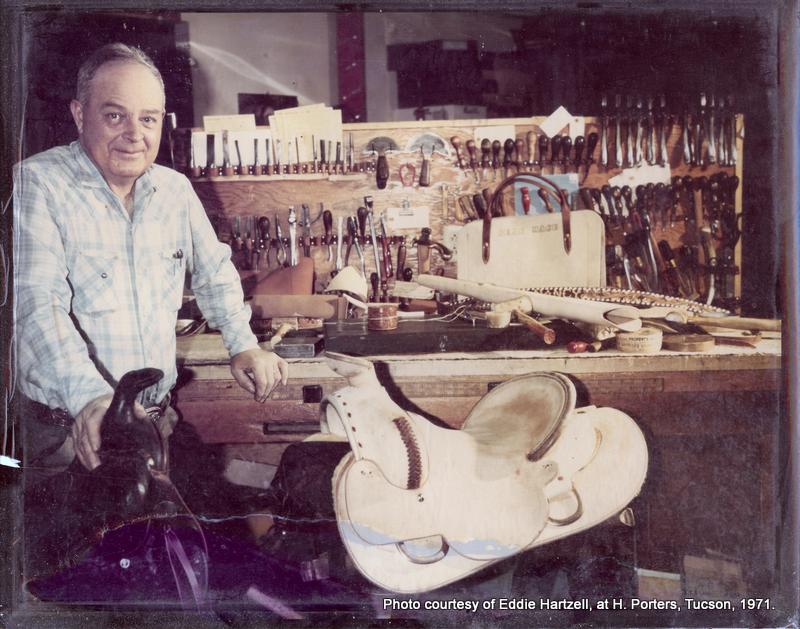
J.L. White, saddle maker at H. Porter store in Tucson. Pam Cordier shared a picture of J.L. with the saddle, in the forefront, that he was building for her. The picture was taken at his shop in the rear of the Porter’s store on Stone Ave, in Tucson. Photo courtesy of Eddie Hartzell, at H. Porters, Tucson, in 1971. She emphasizes, "The Porter store in Tucson was always H. Porter not ever a N. Porter."
Editor's note: The Tucson Porter maker's mark above definitely looks like "N. Porter Co." |
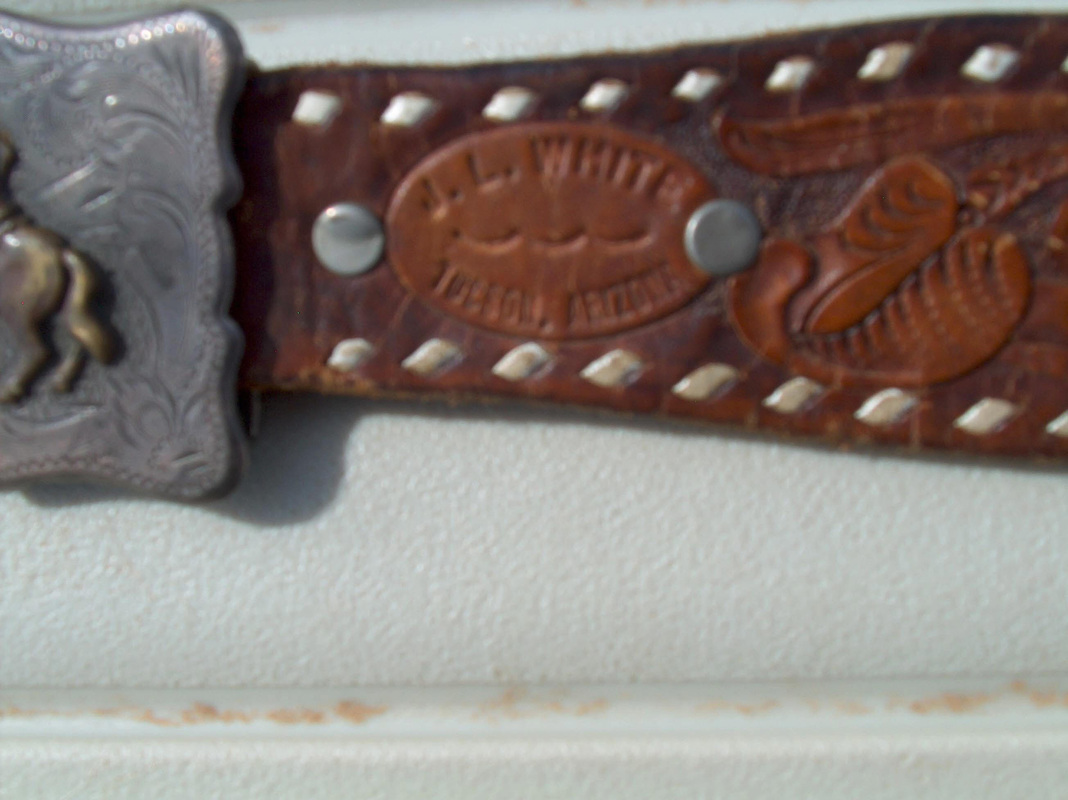
J.L. White, saddle maker mark, at the H. Porter store on Stone avenue in Tucson, Arizona - photo courtesy of Pam Cordier.
|
N porter genuine Toots,Mansfield roping saddle photos below courtesy of Joan...Cmustangladyj

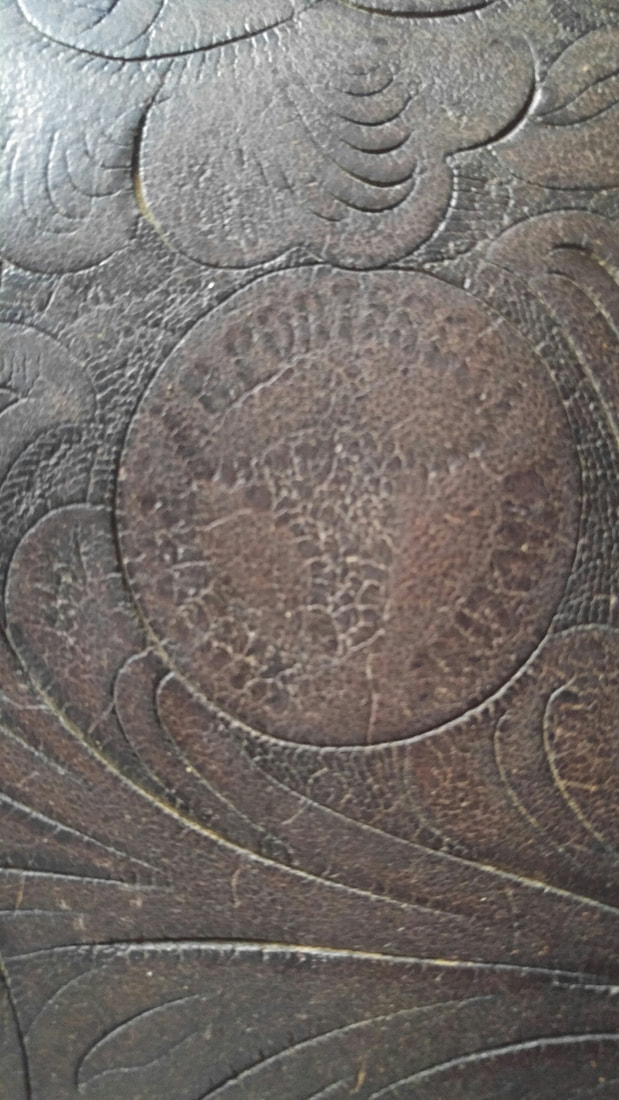
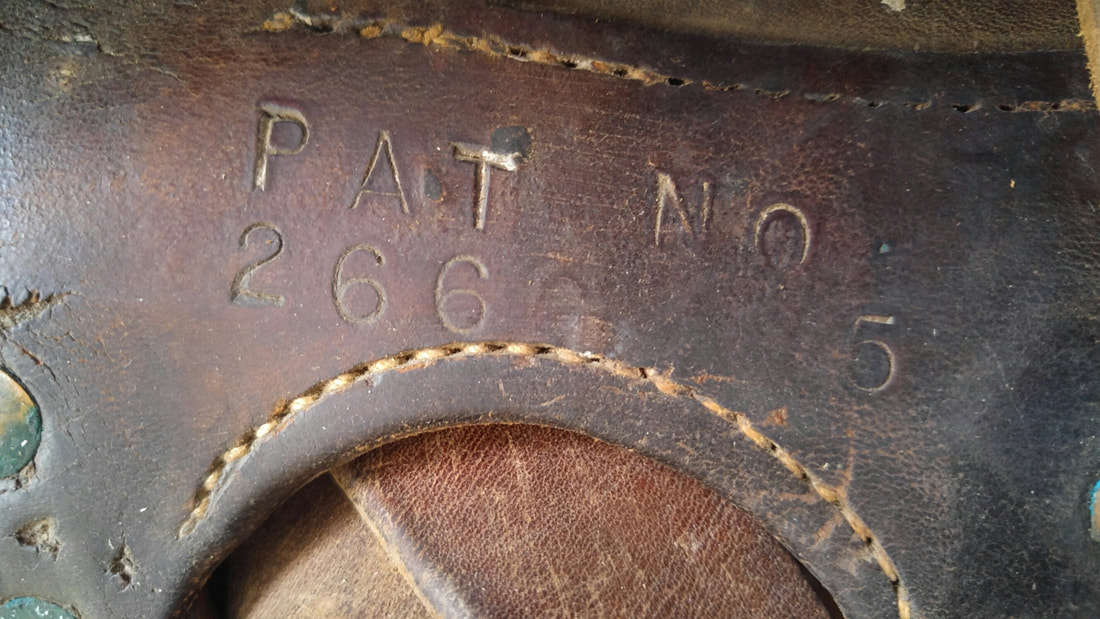


Mervin Ringlero
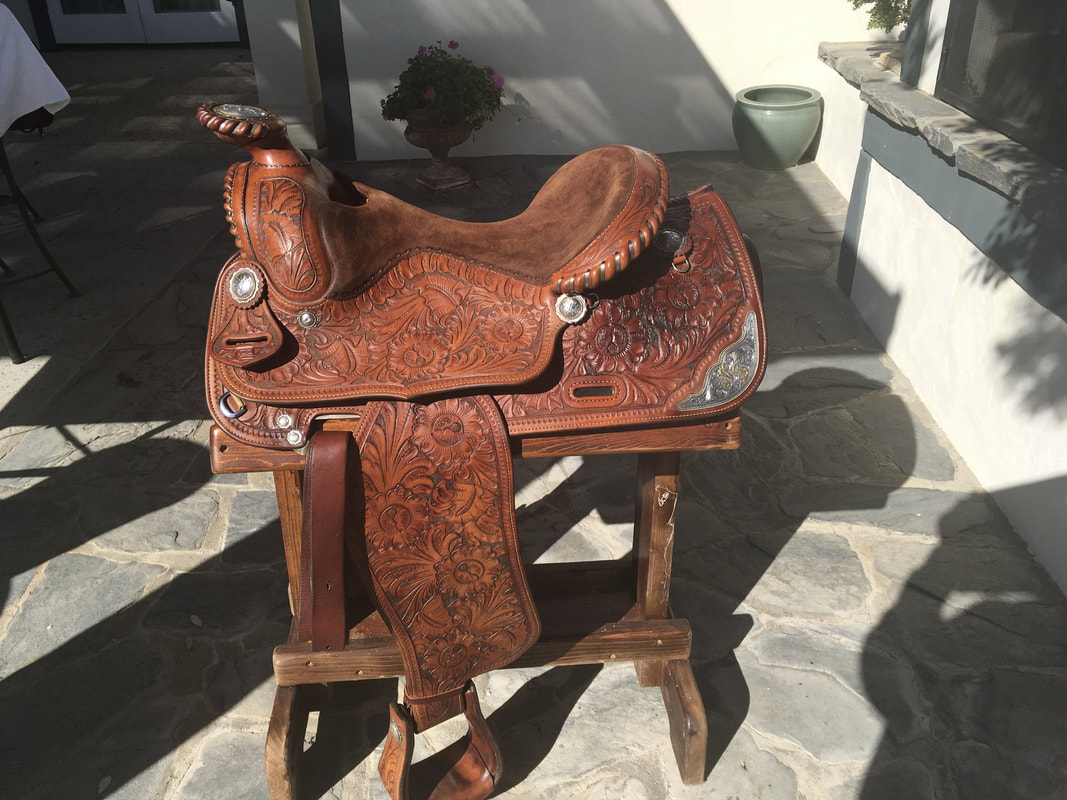
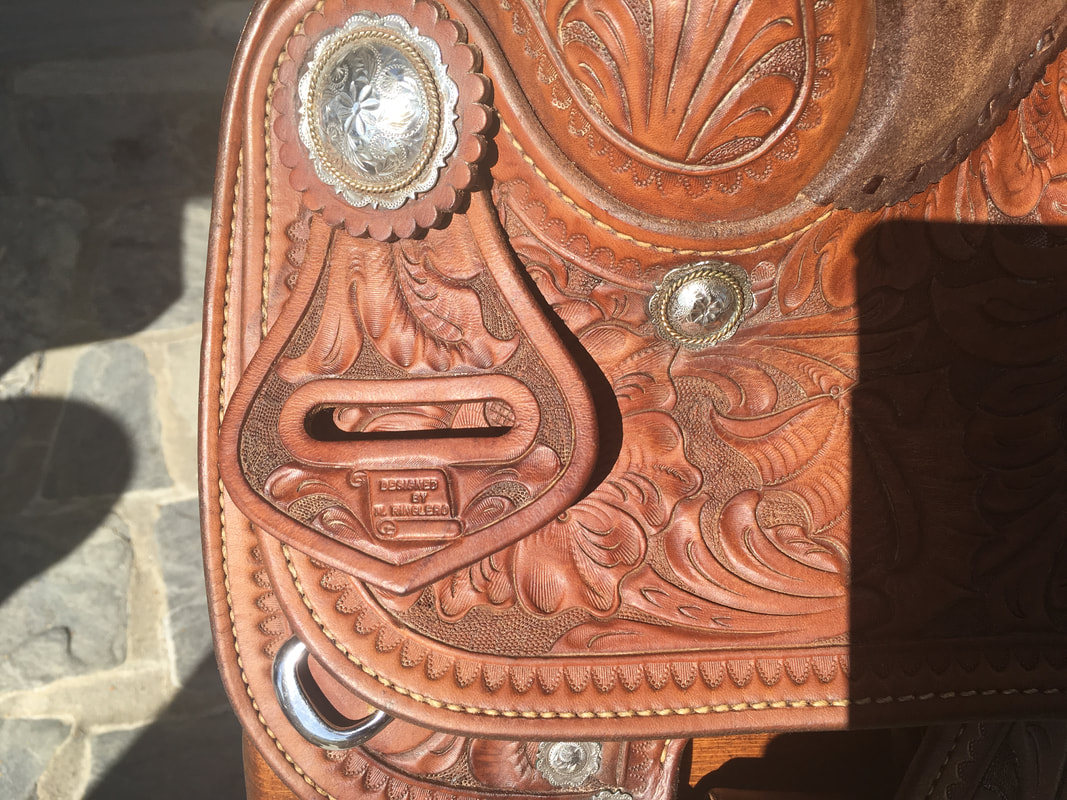
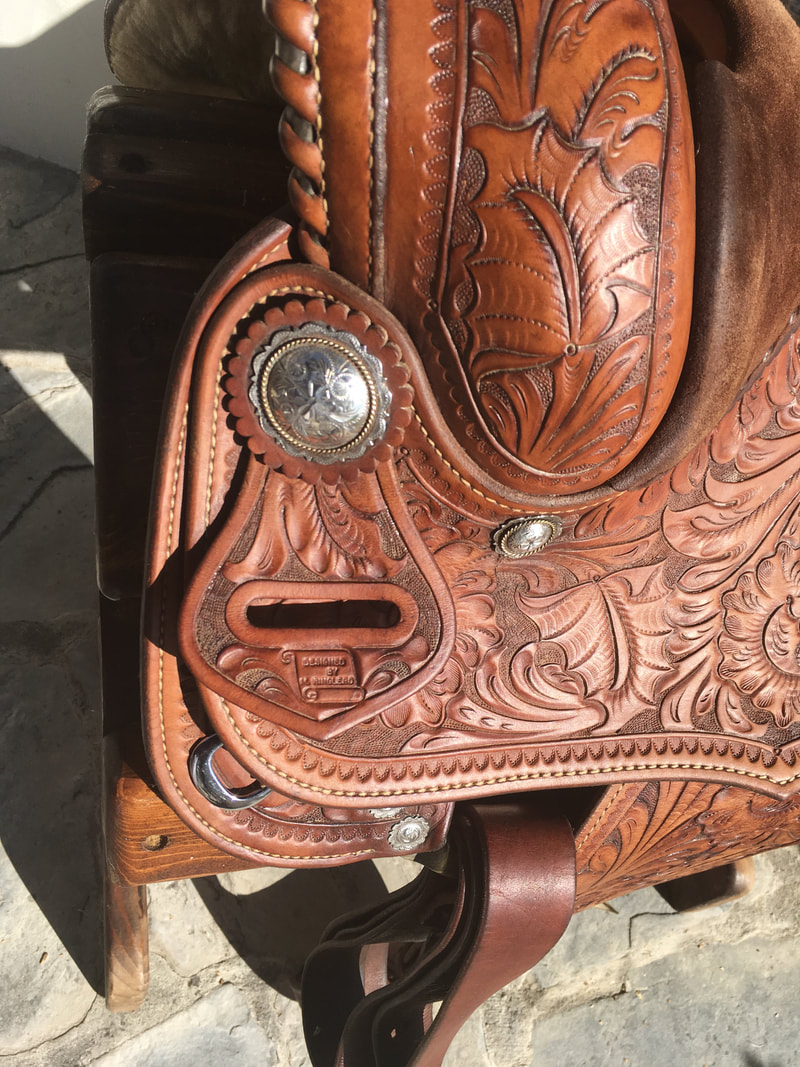
Sheryl Truher shared this information and the photos below.
"Below is a saddle designed by Master Saddle Maker Mervin Ringlero. He did his apprenticeship at the famous Porter Saddle / Harness shop in Phoenix, Az. before WWII. After the war he settled in So. California and worked at the San Fernando Valley Saddlery with Cliff Ketchum, Ellis Barnes. They made very high quality saddles for western stars like James Arness, Richard Boone, John Wayne and Walt Disney. Their saddles were known for outlasting the cowboy that rode in the saddle. Many of his saddles are in museums such as the Gene Autry Museum, etc. This saddle was purchased in the late 1970s.so it's about 40 years old."
Here is a link to Ringlero's history at Saddlemakers.org. saddlemakers.org/id176.htm
"Below is a saddle designed by Master Saddle Maker Mervin Ringlero. He did his apprenticeship at the famous Porter Saddle / Harness shop in Phoenix, Az. before WWII. After the war he settled in So. California and worked at the San Fernando Valley Saddlery with Cliff Ketchum, Ellis Barnes. They made very high quality saddles for western stars like James Arness, Richard Boone, John Wayne and Walt Disney. Their saddles were known for outlasting the cowboy that rode in the saddle. Many of his saddles are in museums such as the Gene Autry Museum, etc. This saddle was purchased in the late 1970s.so it's about 40 years old."
Here is a link to Ringlero's history at Saddlemakers.org. saddlemakers.org/id176.htm
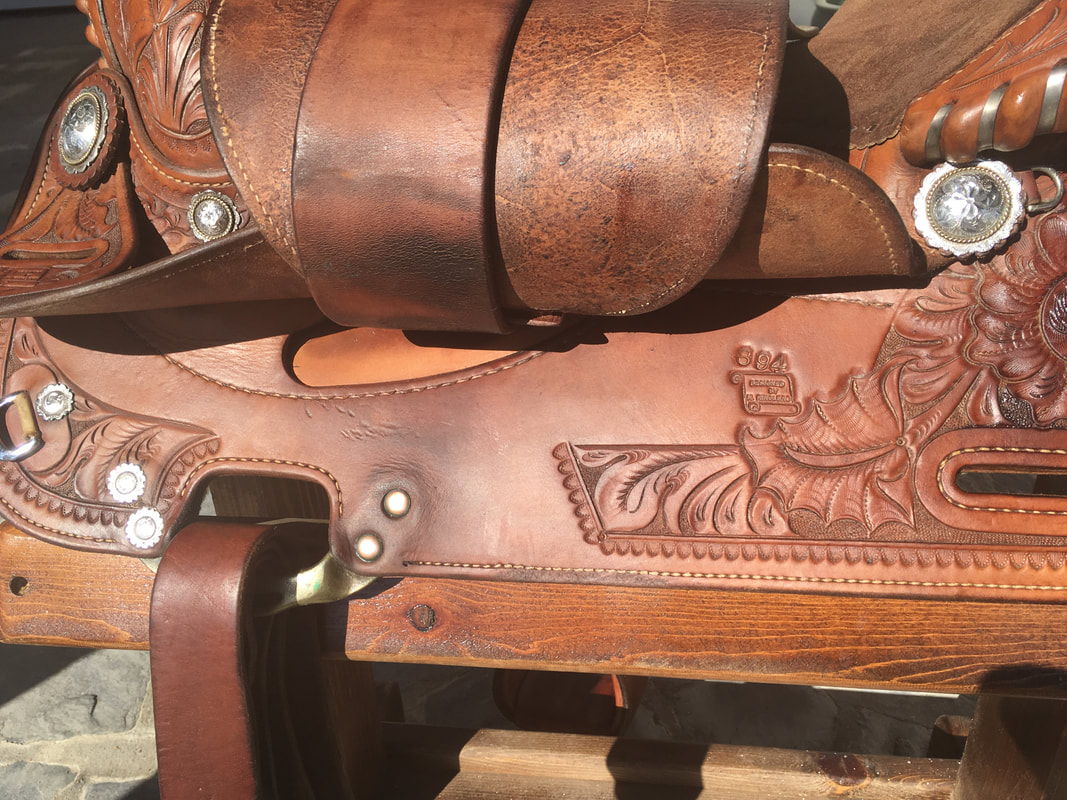
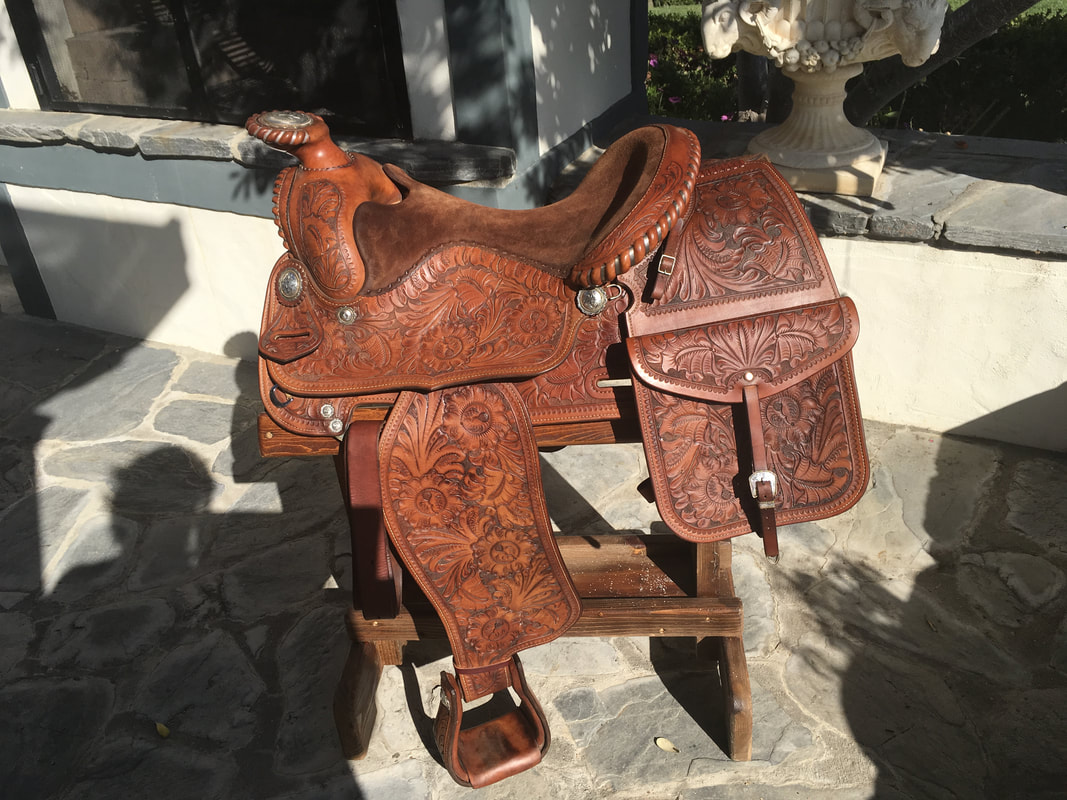
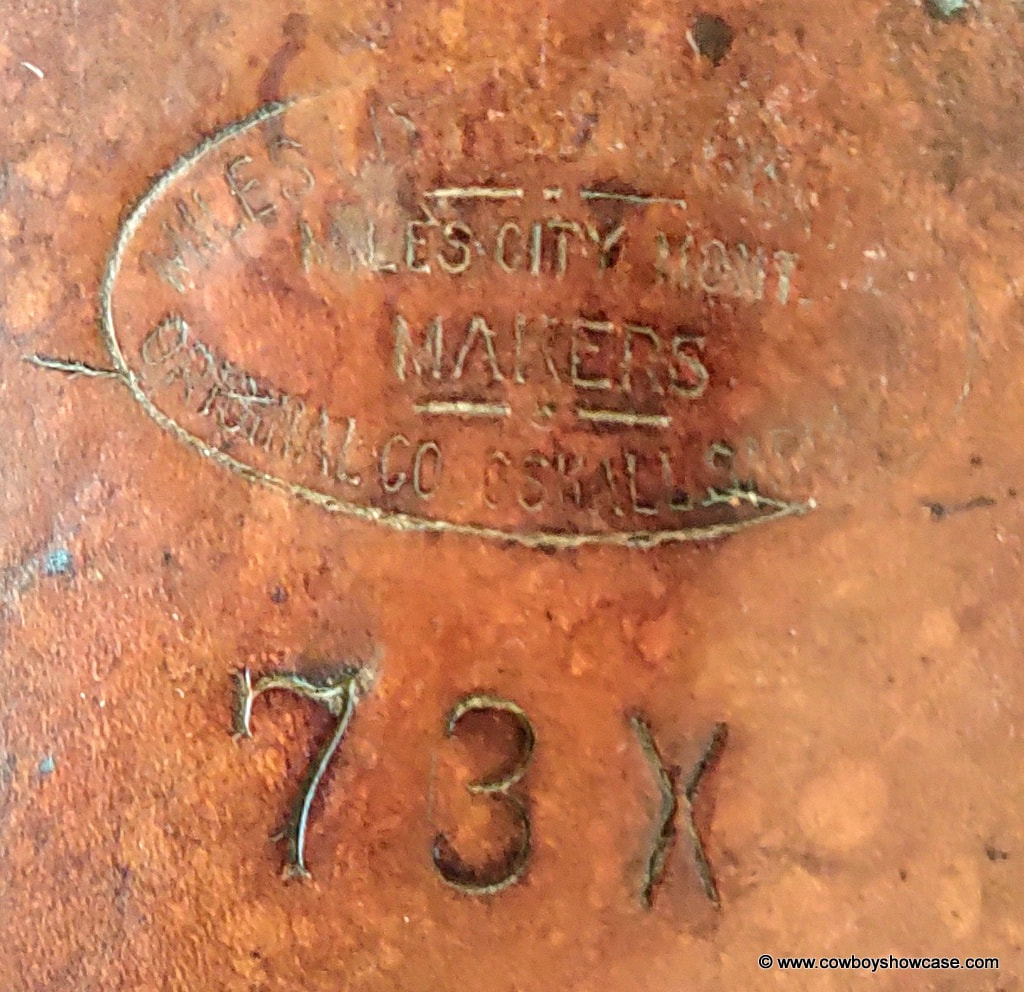
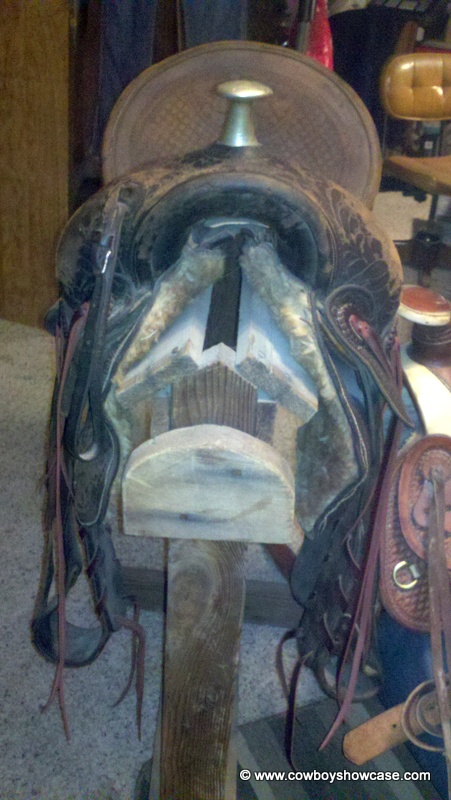
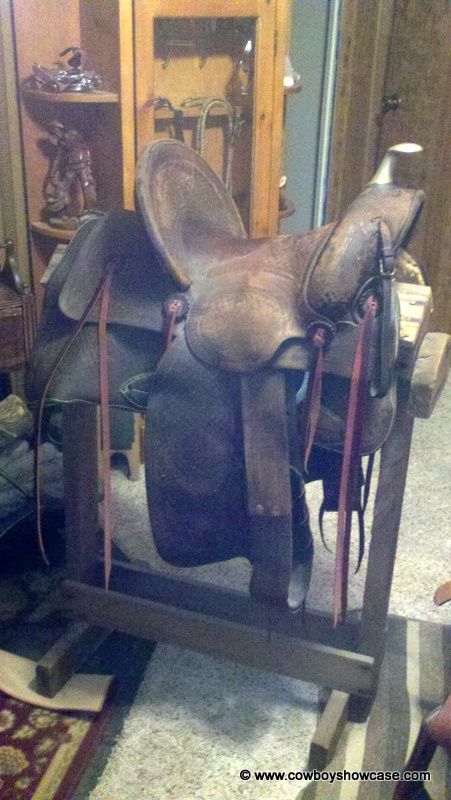
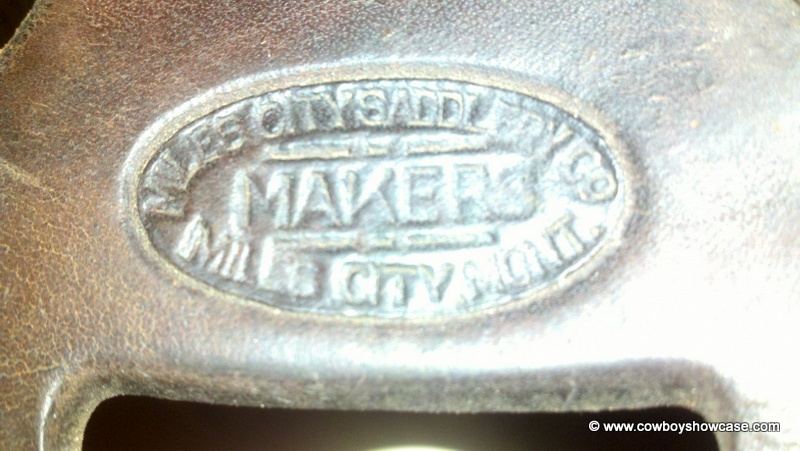
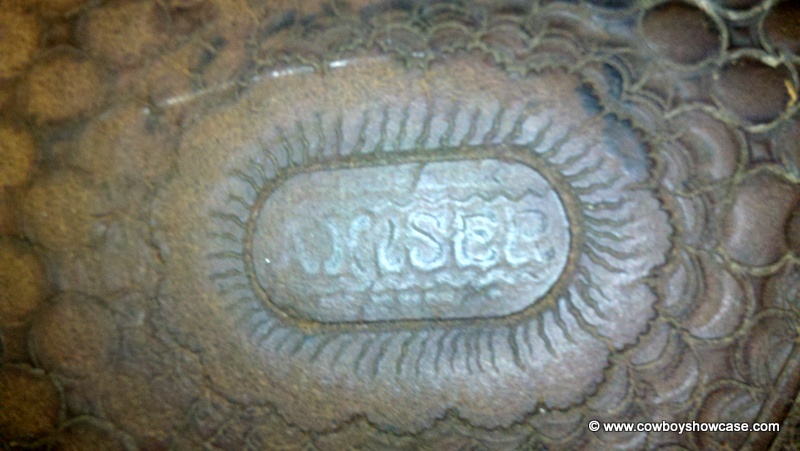
Miles City Saddlery - Makers of the Original Coggshall Saddles
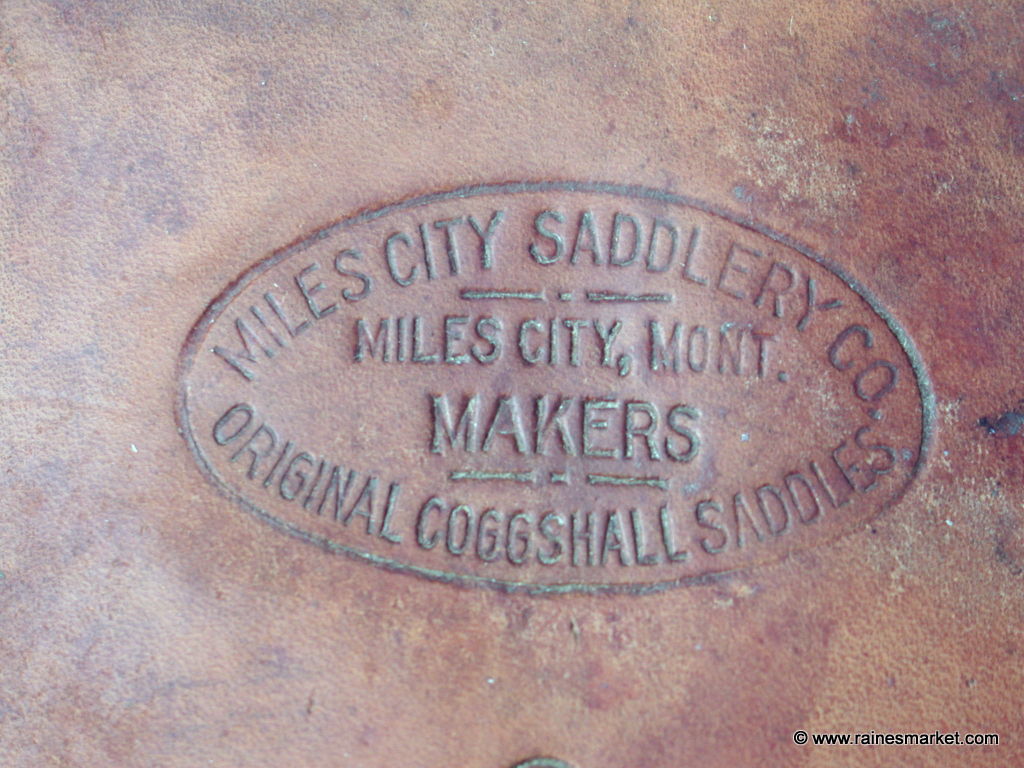
In 1909, Charles E. Coggshall employees Clem Kathmann, Frank Jelinek and Bert Coleman, bought out Coggshall and formed the Miles City Saddlery Co. At its peak between 1910 and the Depression years of the 1930s, there were up to 40 saddle makers working in Miles City. During this period, the cattle range started closing up and there was a corresponding decline in the need for saddles. During the Depression, no one could afford buying saddles. The company changed hands a number of times and Carl Wilson closed the saddle shop in 1982. In 1989, Jack and Mary Lou Deibel bought Miles City Saddlery and reinstated saddlemaking.
|
|
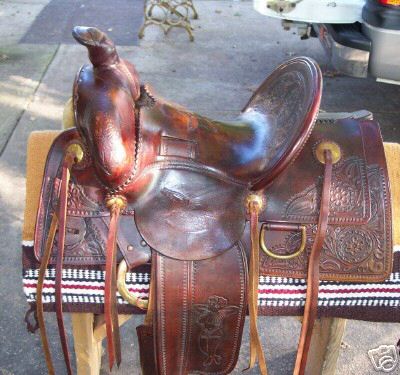
1918 custom-made No.4 saddle by Miles City Saddlery. Courtesy of Michael Redman
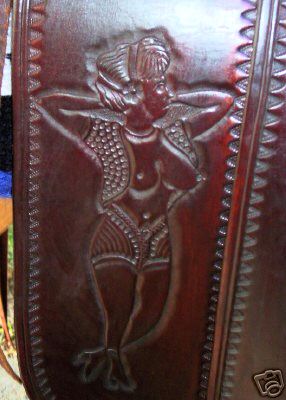
www.PureCowboy.us detail on right |
|
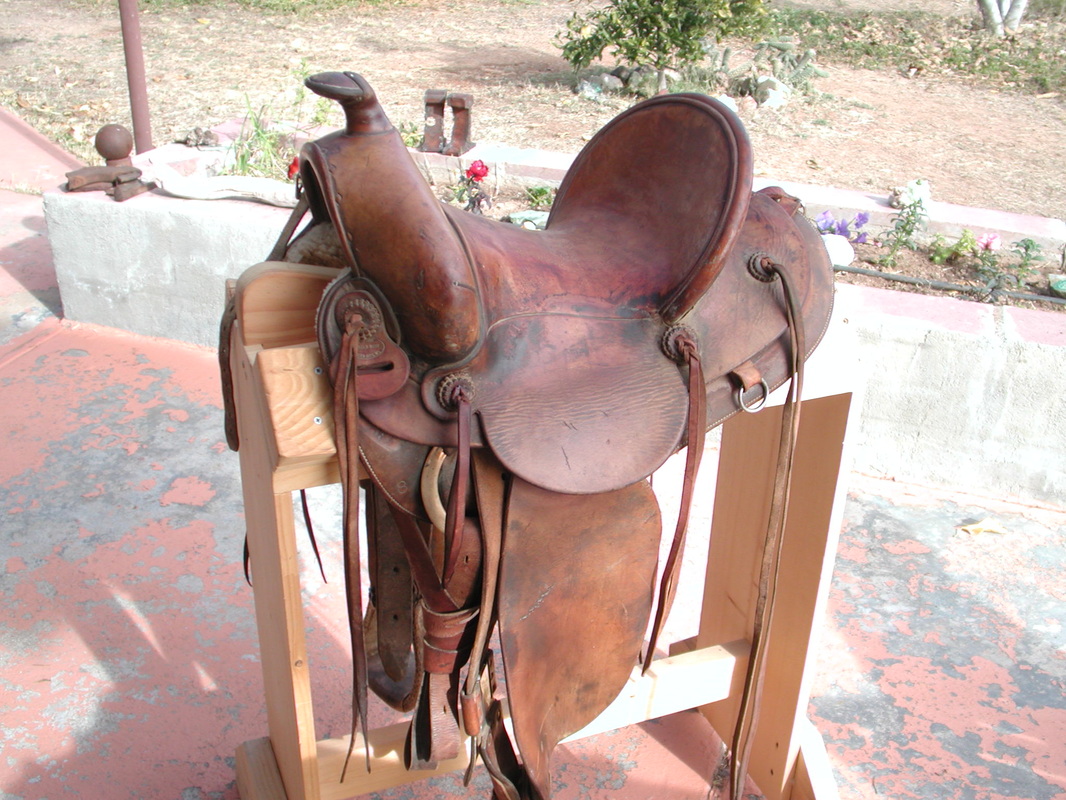
This is a Miles City #8 Bronco or Contest Saddle that originally sold for $66. It is made on a Coggshall's Improved Roundup Tree and has a 15" swell.
|
Below: Miles City Saddle courtesy of Gail and Jim Kerr, belonged to Gail's dad.
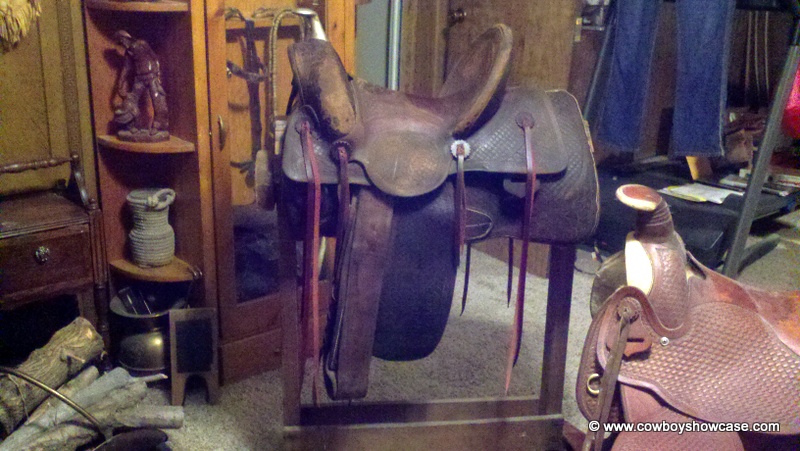
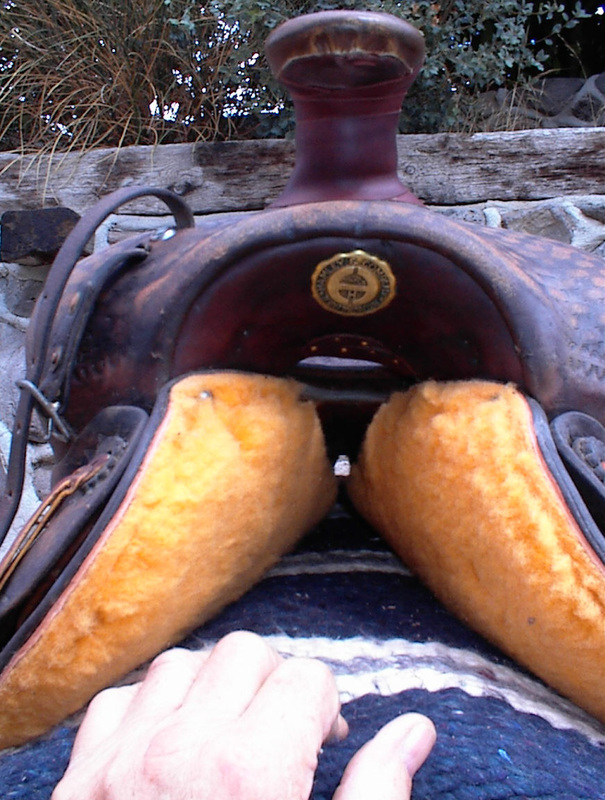
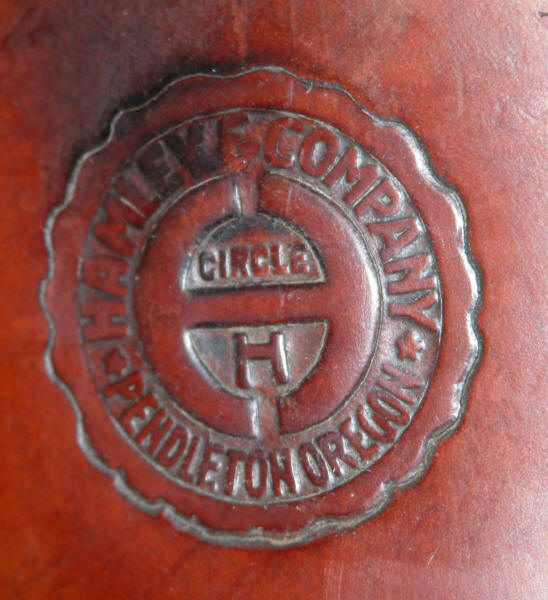
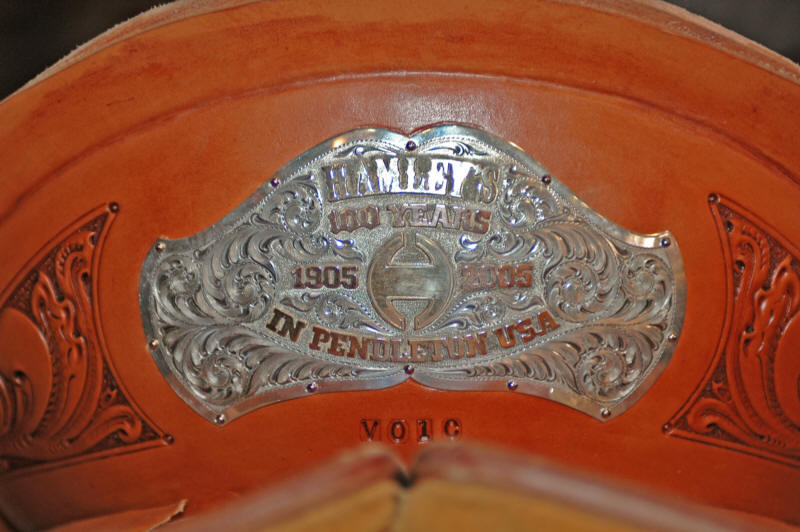
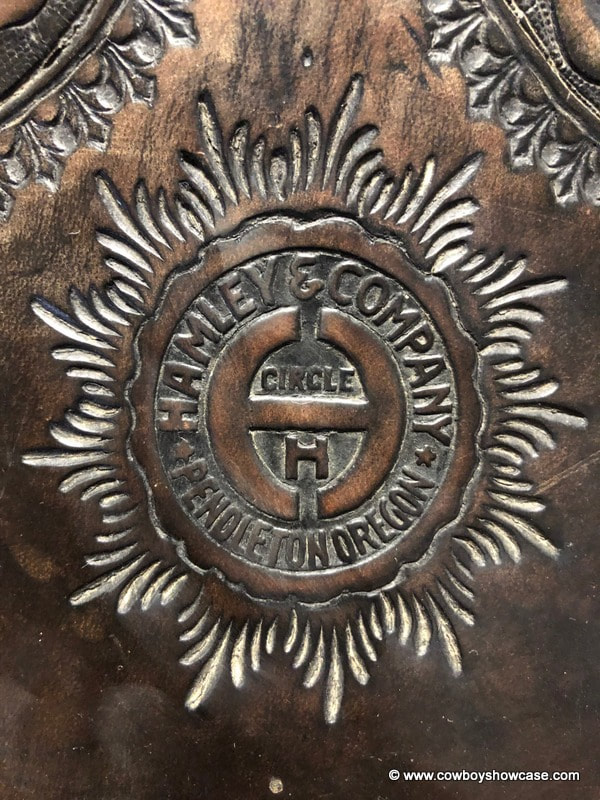
Hamley & Co. - Pendleton, Oregon
Each maker in Hamley's shop had a distinctive border that he placed around the Circle H Trade Mark.



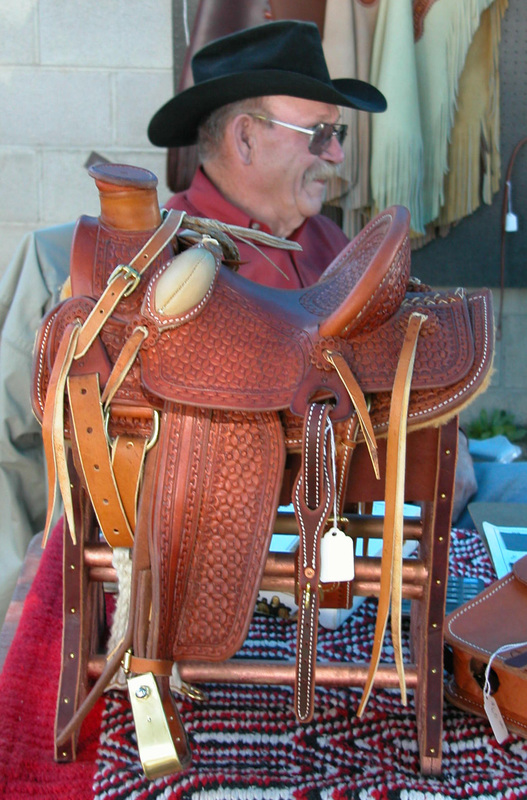
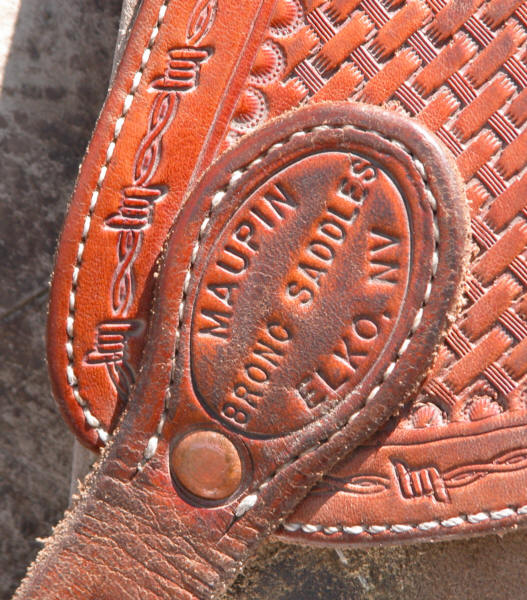
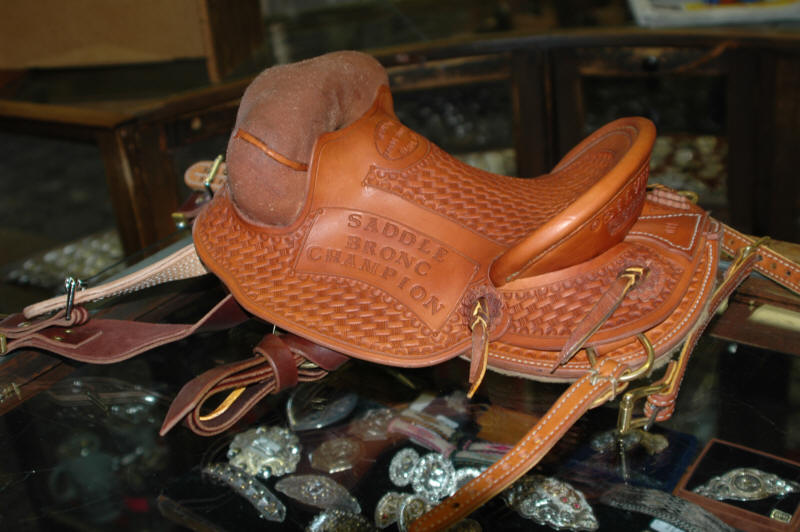
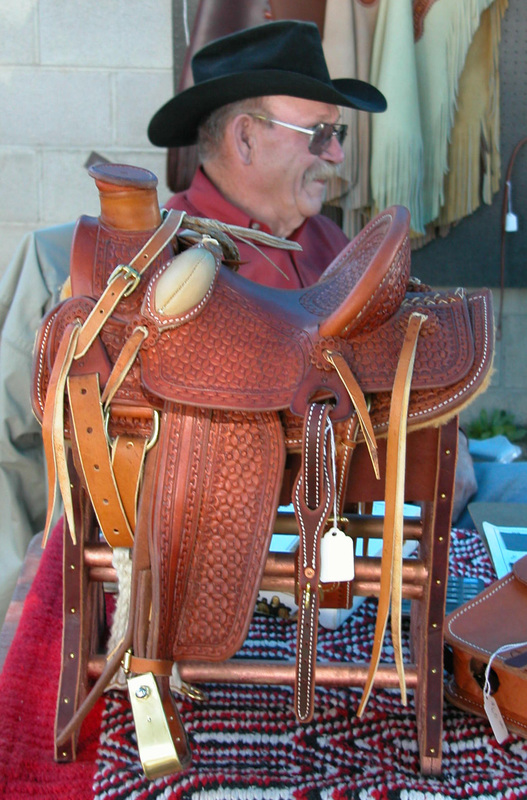
Maupin Bronc Saddles - Elko, Nevada - Bill Maupin
Contemporary saddle maker deceased in 2013. Go to a page about Bill Maupin.
|
|
Vanco - Sacramento, California
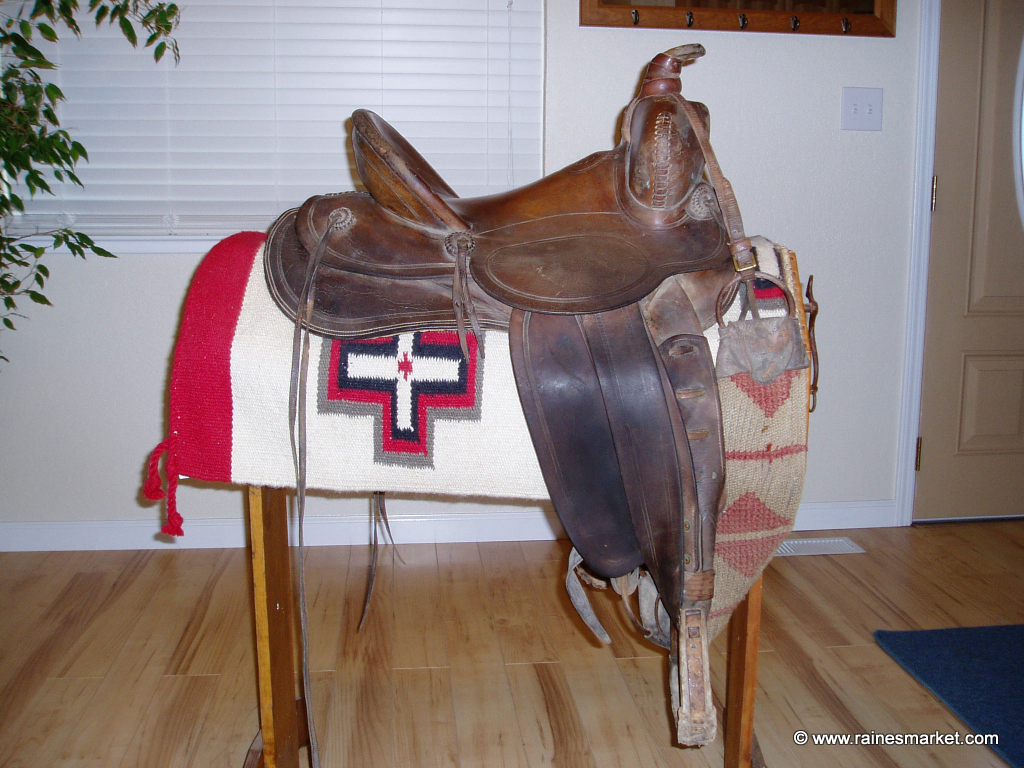
VanCo was a maker out of Sacramento, California. Van Voorhees and Company started in 1850. In 1920 they took on a partner and became Van Voorhees-Phinney Co. They used the VanCo brand until the 1940s.
Photos courtesy of Rayanne Engel Currin |
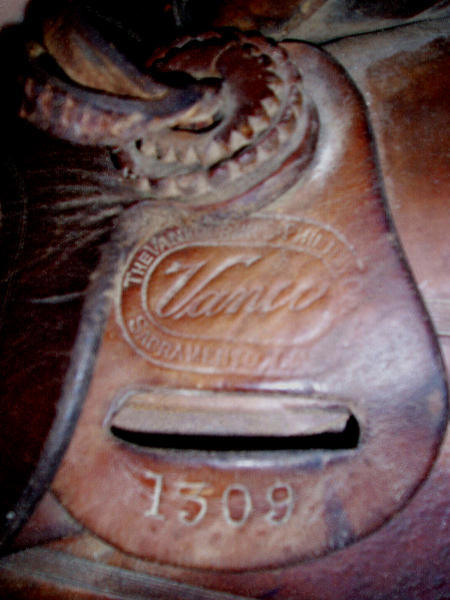
|
Bill Long -Spokane, Washington
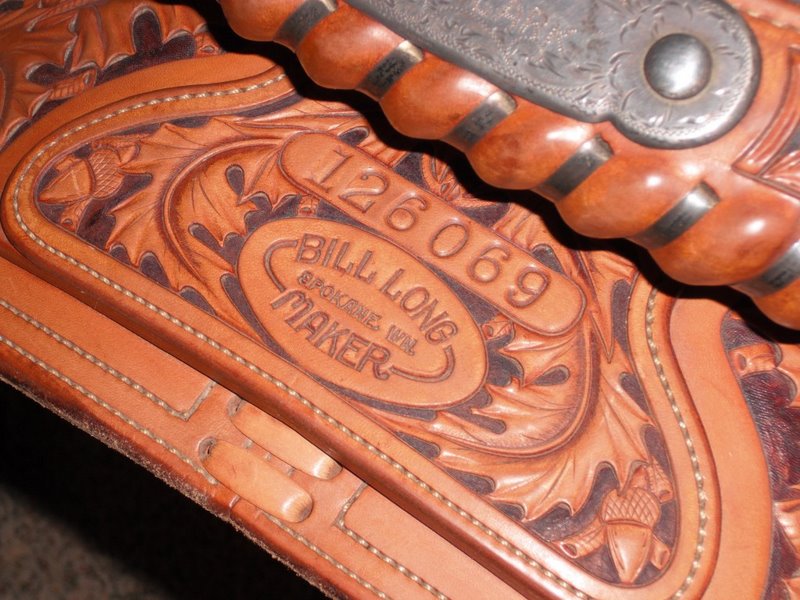
Custom saddlemaker who also ran "Bill Long Saddle School." He set up the custom saddle making course at Spokane Falls Community College and taught there the first year, before Jesse Smith took over the position. Long later moved to Hamilton, Montana. Courtesy of Cole White. His Grand Dad's saddle built in 1969. |
Otto F Ernst -Sheridan, Wyoming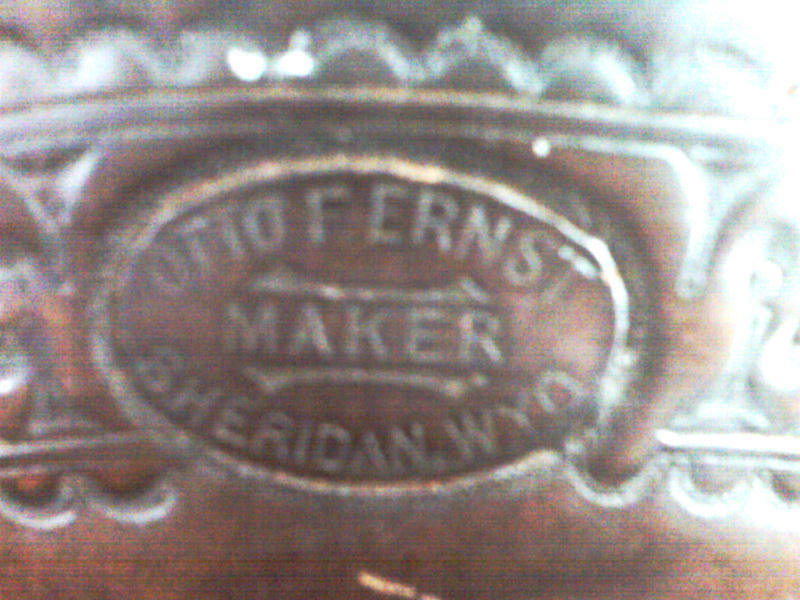
Otto Frederick Ernst, born 1872 in Louisville, KS, learned the trade working for a Mr. Dodgion in Wamergo, KS. Ernst and his family moved to Sheridan, Wyoming in 1900 where he worked at several jobs including making saddles for George Parmeter. Otto and John P. Buckley opened the Ernst-Buckley Saddlery in 1902 and it continued until 1907 when Buckley left. Otto's brother John became the master saddlemaker. Otto's oldest son Ernie joined the firm in 1921. Otto died in 1938 and the business continued until it closed in 1975, a year after Ernie died.
Photo Courtesy of Jenny Evjen |
Pete VerBeck - Miles City Montana
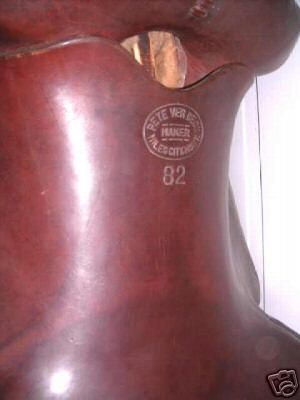
Born in 1900, Pete Verbeck began his apprenticeship with Al Moreno at Al Furstnow's Saddlery. In 1919 he went to work and Miles City saddlery and stayed until 1931. In 1936 he returned to Furstnow's, but left again to work at Miles City Saddlery, and later returned again to Furstnow's. In 1947, he opened his own shop, Pete's Saddle Shop, and made saddles there until he died in 1976.
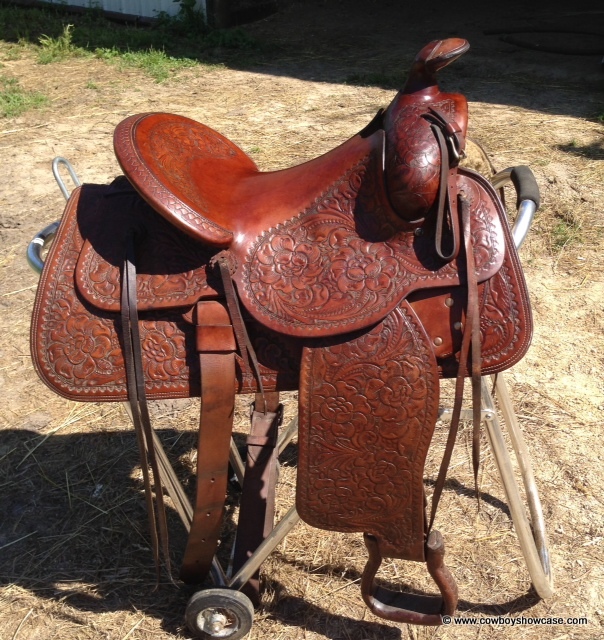
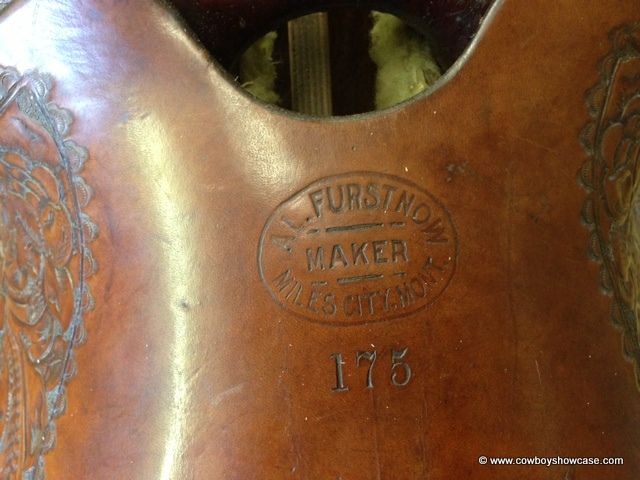
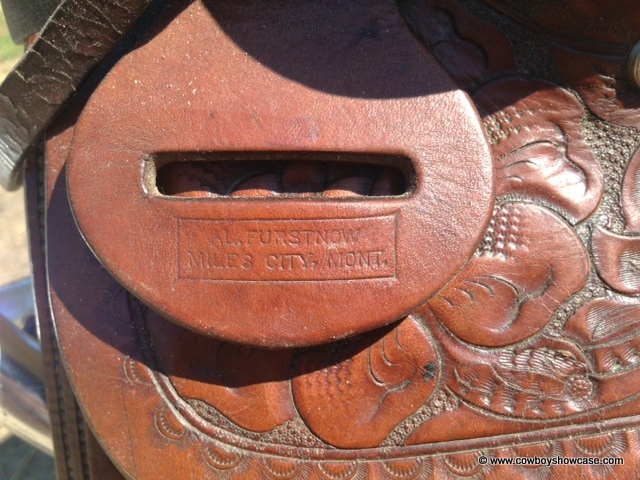
AL Furstnow - Miles City, Montana
 Photo Courtesy of Chandra Weeks Photo Courtesy of Chandra Weeks
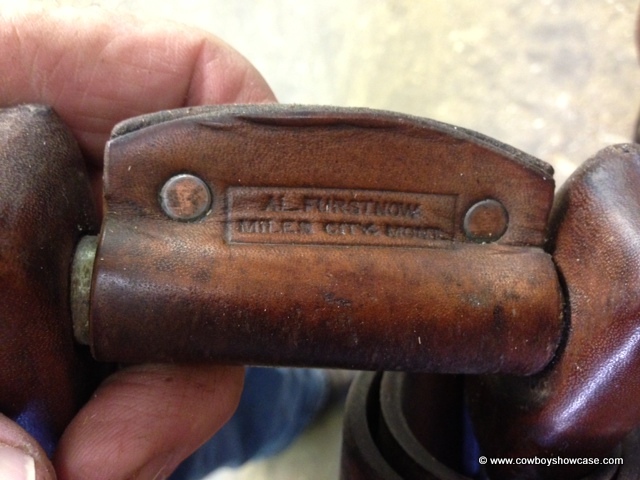
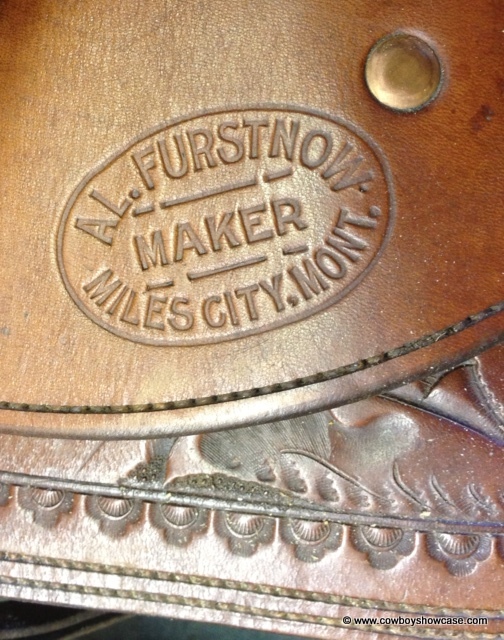
Albert F. Furstnow, born 1862 in Fond du Lac, Wisconsin, established the Al Furstnow Saddlery Co. in Miles City, Montana in 1884. In December 1894 he went into a partnership with Charles E. Coggshall. That partnership lasted until 1899. Furstnow was known for his fancy leatherwork and fine workmanship and materials He carried a large line of cowboy goods. In his 1916 catalogue, he claims to have originated the swell fork design though others dispute this claim. He died in 1923. The saddlery continued in business until 1982.
|
Dennis Labus, LaCrosse, WI, sent us photos of this Furstow saddle with numerous maker's marks: There are multiple stamps on the saddle and under the fender there appears to be a signature from "T J McNeil".
|
John Clark - Portland, Oregon
John Clark started his saddlery in Portland, Oregon in 1878. He died around 1923 and his family continued the business until 1927.
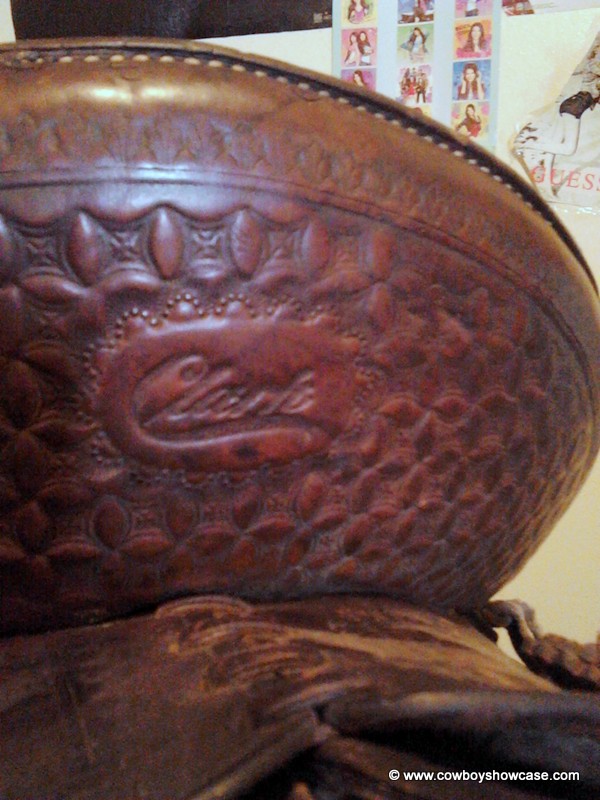
Photo Courtesy of Joe Hendricks-Klamath Falls OR.
|
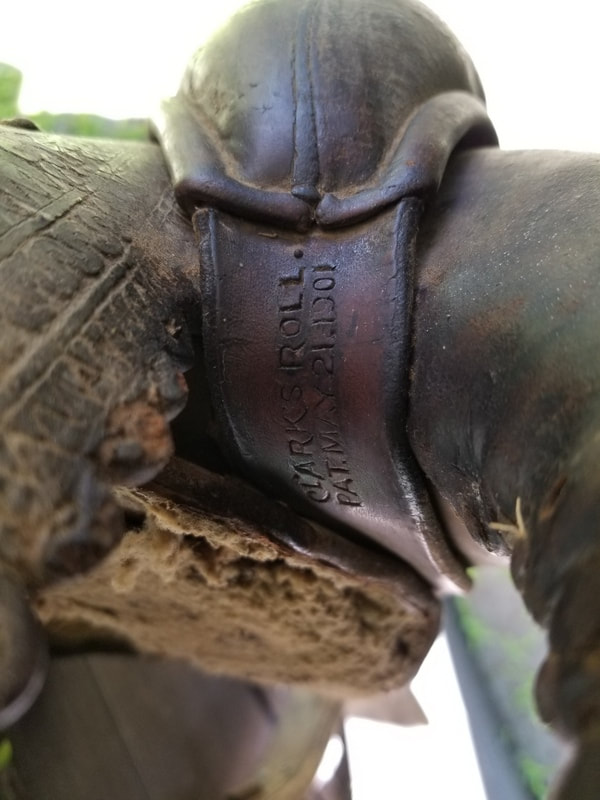
Clark's Bucking Roll (of which this is a picture) was patented in 1901. Photo courtesy of Kay Mathews.
|
Don Peters' - Clark Saddle below
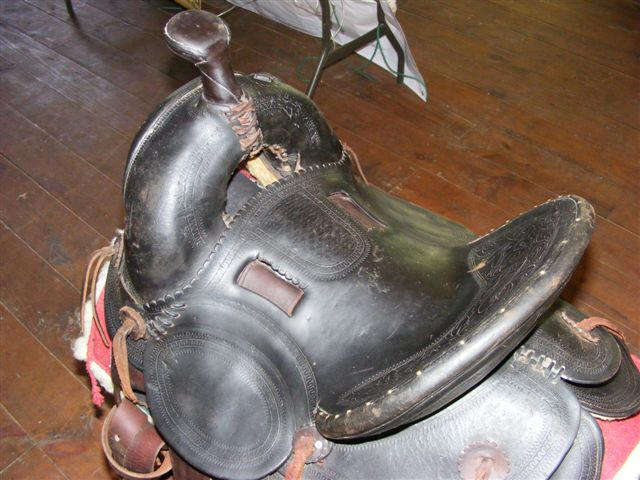
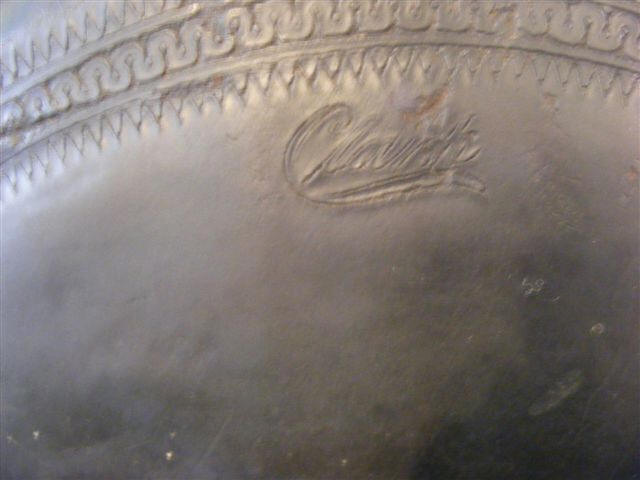
Clark Saddlery 1914 Garfield Roundup Saddle below,
photos courtesy of Richard Old and Steve Pruitt
photos courtesy of Richard Old and Steve Pruitt
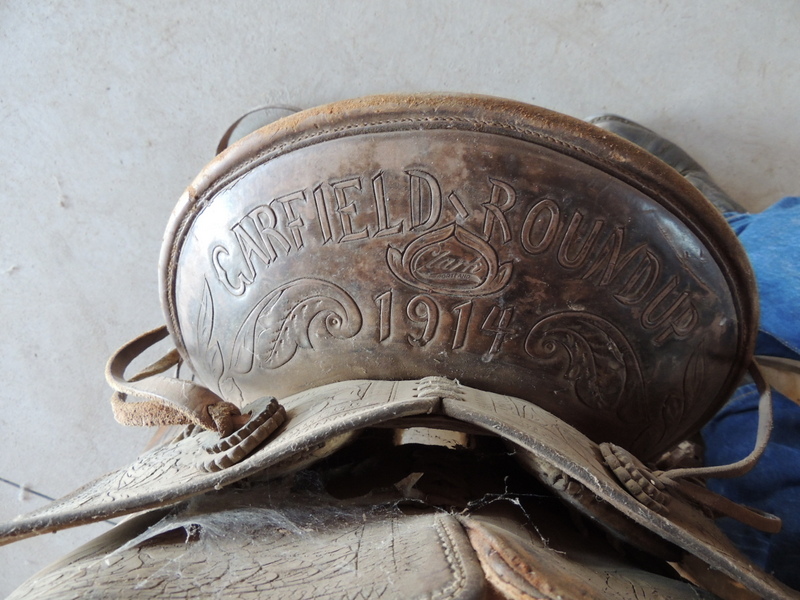
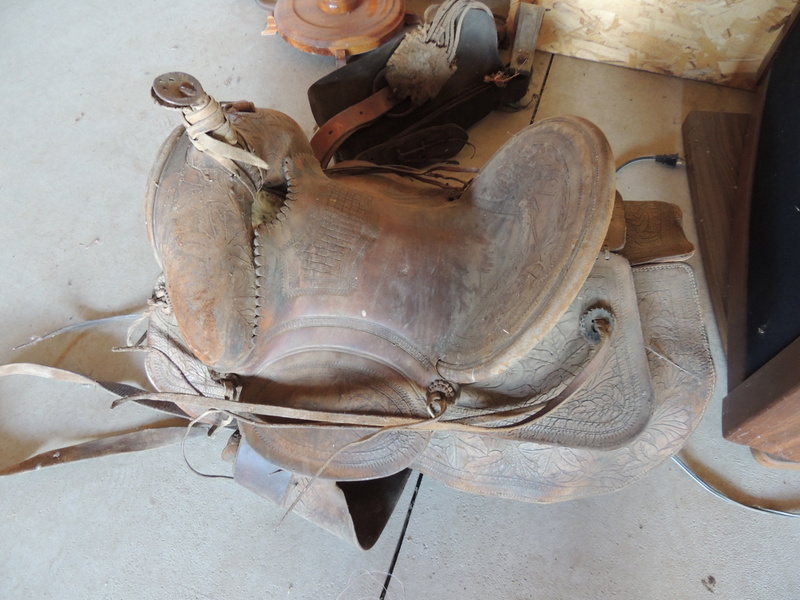
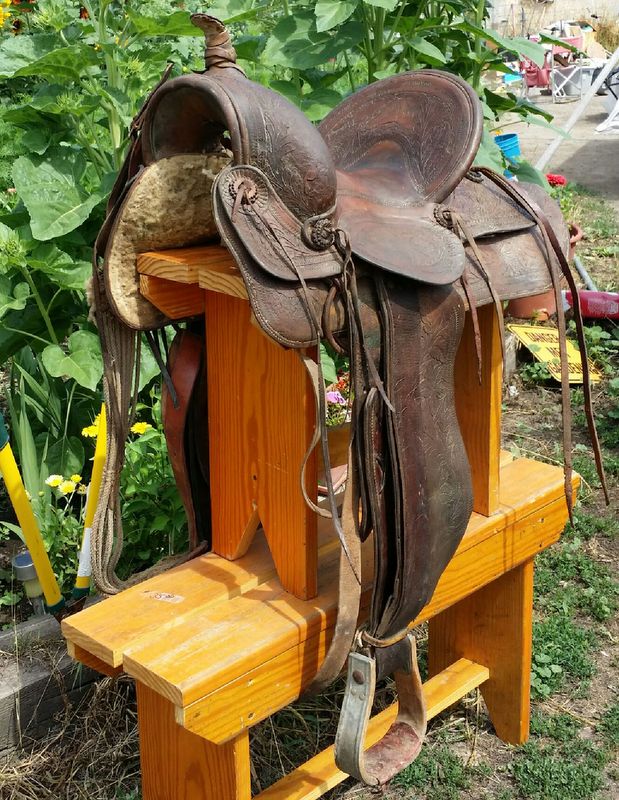
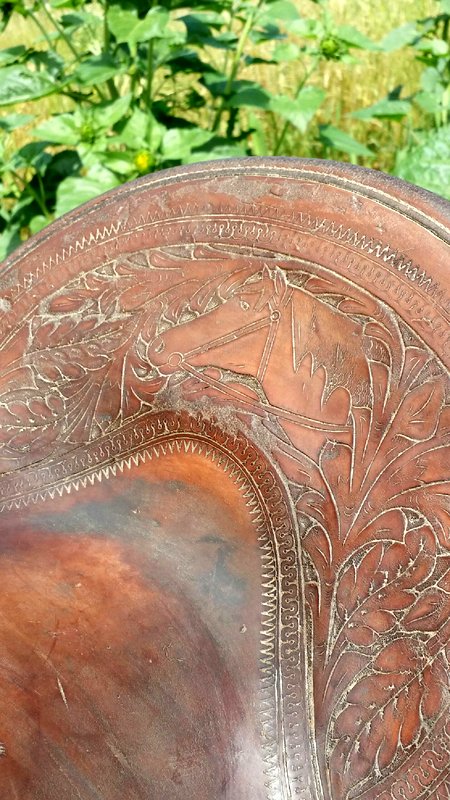
Unusual saddle made by the John Clark Saddlery Company in Portland Oregon. The estimated date is late 1800's to early 1900's. Some of the features are a brand marking on both sides which is the letter M crowned with a sun burst. Their is also the number 8 on the center of the pommel. The horn is metal and looks like it had be covered with polished nickel. The seat is a rough out type with a brochette design. Stirrups are wood and measure across the inside 4.5 inches. Measurements from the inside of pommel to the back edge of the seat are 13-inches, and 15-inches from the back edge of horn to the back of the seat. And the measurement from the base of the horn while touching the seat to the back edge is 18-inches. The tree is also in excellent condition and not broken. The approximate weight is around 20-pounds.
We would appreciate your emailing with any ideas about the original use of this light-weight saddle.
Below is a great explanation from a visitor...
We would appreciate your emailing with any ideas about the original use of this light-weight saddle.
Below is a great explanation from a visitor...
|
On 12/23/2016 "Enjoying reading through your site on the different makers. Your John Clarke stamped unusual saddle is a ladies’ astride saddle. These came out in about the 1890s through to the WWI era and paralleled the sidesaddle in many respects. The trees are all about 18” and have the metal horn, small rounded skirts and some have western fenders on the stirrup leathers, while others have English irons and leathers on them instead. All have softly rounded pommels and deep, quilted seats.
They came about as women in the west wanted some freedom from riding habits but the health risks associated with riding astride, let alone in a hard seated man’s saddle, were still feared. I have a nicely made, unmarked one here with a roughout mulehide seat and some very intricate and pretty stitchwork. As always, some were better crafted than others! A purely American innovation, they were often repurposed in later years as nice little saddles for kids. I live in southern Alberta, Canada and putter away in my shop refurbishing antique sidesaddles, Western and English. I’ve ridden aside, myself, for about 45 years." Merry Christmas, Lee McLean |
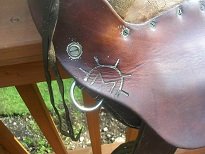
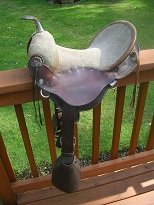
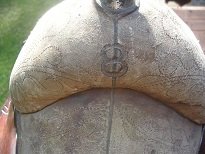
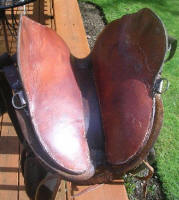
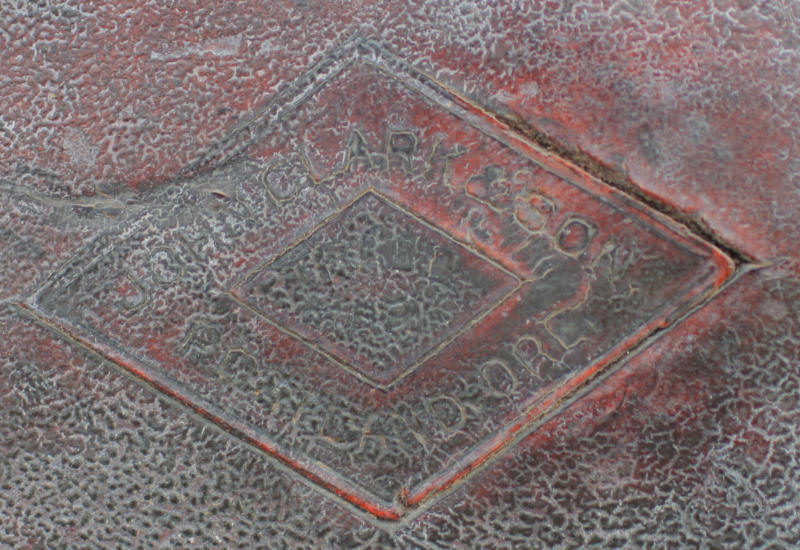
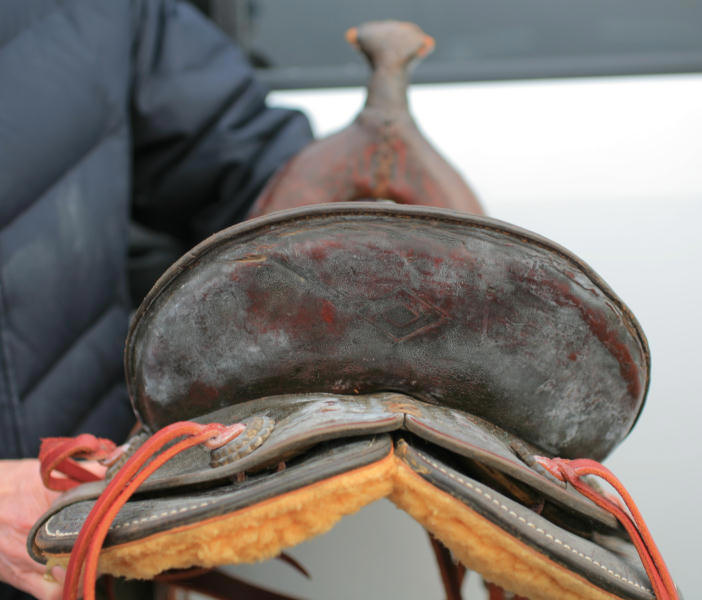
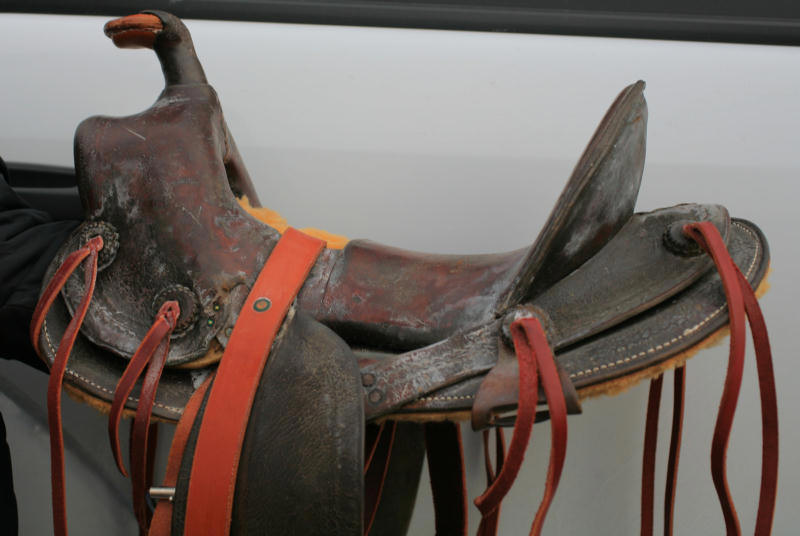
"Child’s saddle we believe was built in the early 1900’s. It has been in our family almost 100 years. The saddle makers mark is a small diamond inside a larger diamond. In the space between the lines is stamped 'John Clark and Son Portland Oregon'." Steve and Leslie Dobson
Keyston Bros. Saddlery
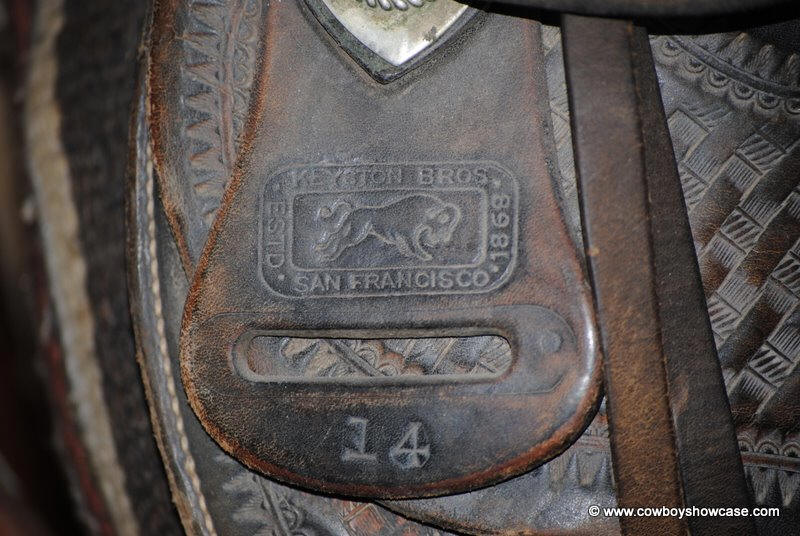
In 1868, James Keyston began Keyston Bros. James began making whips and lashes in the stable of his father's home on Church Street in San Francisco. James and William Keyston, sons of Samuel Keyston, started manufacturing saddles in San Francisco in 1906. Shortly after the earthquake and fire of that year they bought out JC Johnson Co. makers of saddles and harness. In later years, they bought out several other companies and became the largest manufacturer of saddles and harness on the Pacific Coast. In 1950 they bought out HH Heiser (Denver) from the Denver Dry Goods Company with the Keyston Brothers marketing under the Heiser - Keyston combined names and 1959, Lichtenberger (Los Angeles.) and became Heiser Keyston Lichtenberger to late 1960s. The company continued their riding goods business in Sparks, NV until 1999. Keyson Bros. remains in business today as an upholstery fabric and supply distribution company.
Information from their website: http://www.keystonbros.com/ |

|
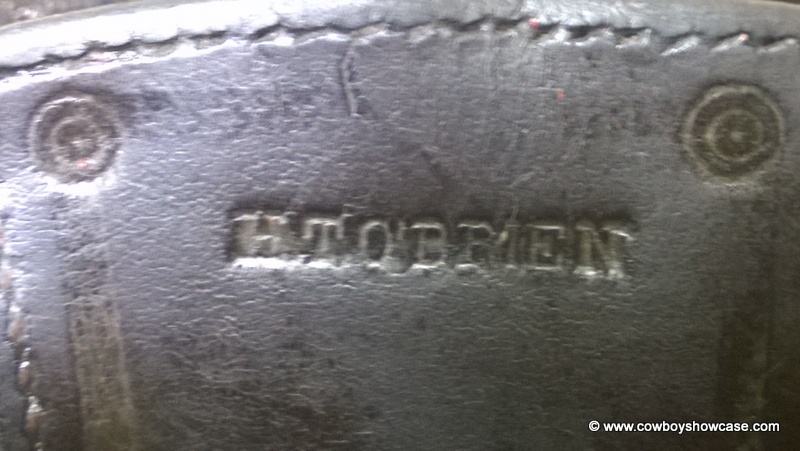
H. T. O'Brien
Henry T. Obrien was born in 1848 in Ireland. He made saddles in Colorado Springs, Colorado from 1879-1913. He died in 1915.
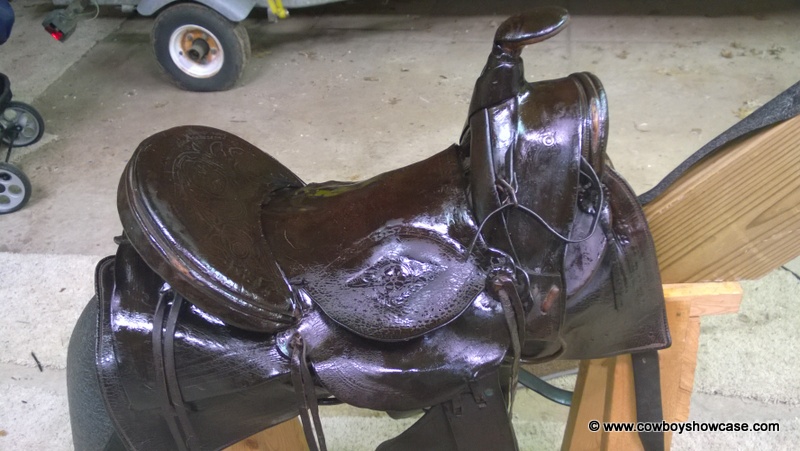
Dr. John A. Rathje DVM shared this saddle with us, saying: "This saddle belonged to my great grandfather. In the late 1800s, he rode out to Colorado and back. My grandmother wasn’t sure where he originally purchased it. I’ve found H.T. O’Brien stamped on it.... I would assume he purchased this in Iowa, Nebraska, or Colorado. Maybe Missouri or South Dakota. He rode out west from Iowa. Thank you for any help. Your website is very cool."
|
|
JW Jenkins & Sons
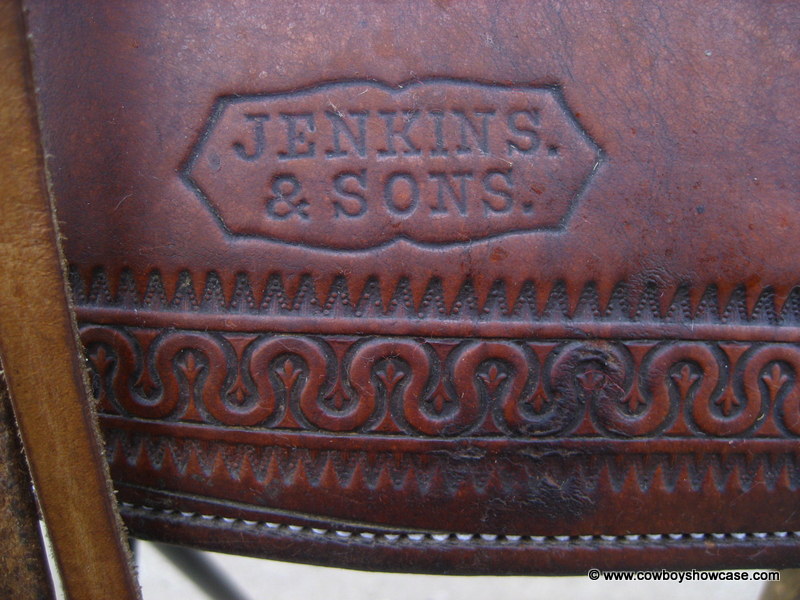 photo courtesy of Terre James Labus
JW Jenkins & Sons were at 76 & 78 E Second South, Salt Lake City, UT. “Saddles and Harness of all styles, and everything pertaining to horse equipments.”JW Jenkins opened the saddlery in the mid 1850s. JW Jenkins Jr. operated the shop from 1890-1940. Other brothers of JW Jr. in the business appear to be CH Jenkins and SJ Jenkins. JW Jenkins III operated from 1940 to 1973.
The following was shared with us by Bill Mackin:
"The three J.W. Jenkins’s were in the saddle business in Salt Lake from 1855 to the mid-1970s. Their longest and last location was on State Street about half way between Fourth and Fifth South streets, right across from the Salt Lake County Court House. I discovered it in 1947 on Saturday morning excursions downtown to the double feature westerns. My fresh from Texas manners then afforded me a place among the old stockmen who gathered afternoons in the saddle shop in back while wives shopped. Other visitors included older Salt Lake police officers who frequented the store often. It was like meeting all my heroes from the cowboy movies. The front was a large and nice saddle, tack, and sporting goods store including guns. JW III was not young even then, and he did not do much of the shop work.
We have two Jenkins saddles in the Museum of Northwest Colorado at Craig. One is from about 1875-85, the other, very fine, probably dates 1920s. There are lots of antique saddles displayed in The Cowboy and Gunfighter Collection and a whole lot more of antique gun rigs by famous saddle shops. No charge! Bill Mackin, author of Cowboy and Gunfighter Collectibles. Stop and see me!"
The following was shared with us by Bill Mackin:
"The three J.W. Jenkins’s were in the saddle business in Salt Lake from 1855 to the mid-1970s. Their longest and last location was on State Street about half way between Fourth and Fifth South streets, right across from the Salt Lake County Court House. I discovered it in 1947 on Saturday morning excursions downtown to the double feature westerns. My fresh from Texas manners then afforded me a place among the old stockmen who gathered afternoons in the saddle shop in back while wives shopped. Other visitors included older Salt Lake police officers who frequented the store often. It was like meeting all my heroes from the cowboy movies. The front was a large and nice saddle, tack, and sporting goods store including guns. JW III was not young even then, and he did not do much of the shop work.
We have two Jenkins saddles in the Museum of Northwest Colorado at Craig. One is from about 1875-85, the other, very fine, probably dates 1920s. There are lots of antique saddles displayed in The Cowboy and Gunfighter Collection and a whole lot more of antique gun rigs by famous saddle shops. No charge! Bill Mackin, author of Cowboy and Gunfighter Collectibles. Stop and see me!"
Hermann H. Heiser Saddlery Company
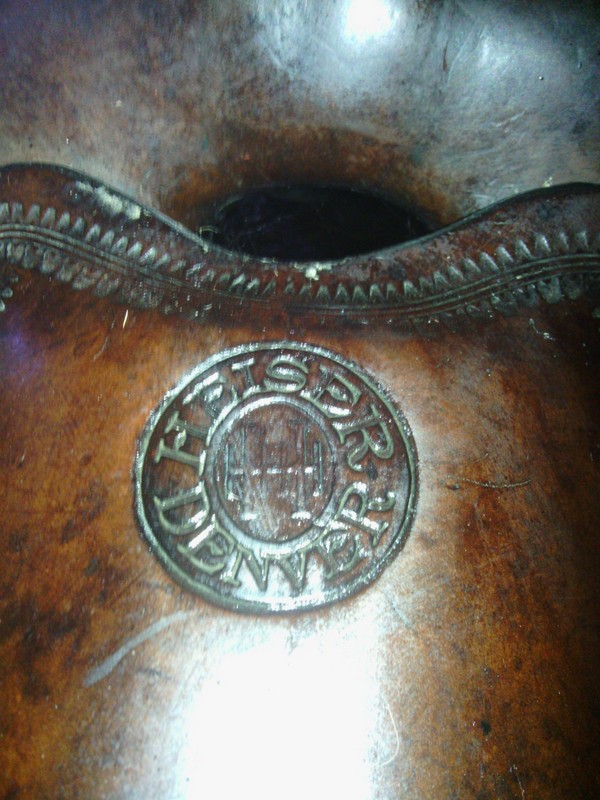
Hermann H. Heiser (1836-1904) was born in Germany and moved to the US, apprenticed in saddlery and harness making in Wisconsin, and about two years later opened his own shop. The famous HHH trademark stamped on all Heiser's work was the ninth registered trademark in Colorado.
After his death in 1904 his sons continued the business and subsequently diversified into the upcoming auto industry. Ewald Heiser bought his brothers interests around 1919 and continued with the saddle business until he sold it to Denver Dry Goods in 1945. Denver Dry Goods retained the HH Heiser trademark until it was sold to Keyson in 1950. Photos below courtesy of Mike and Brenda Hale.
After his death in 1904 his sons continued the business and subsequently diversified into the upcoming auto industry. Ewald Heiser bought his brothers interests around 1919 and continued with the saddle business until he sold it to Denver Dry Goods in 1945. Denver Dry Goods retained the HH Heiser trademark until it was sold to Keyson in 1950. Photos below courtesy of Mike and Brenda Hale.
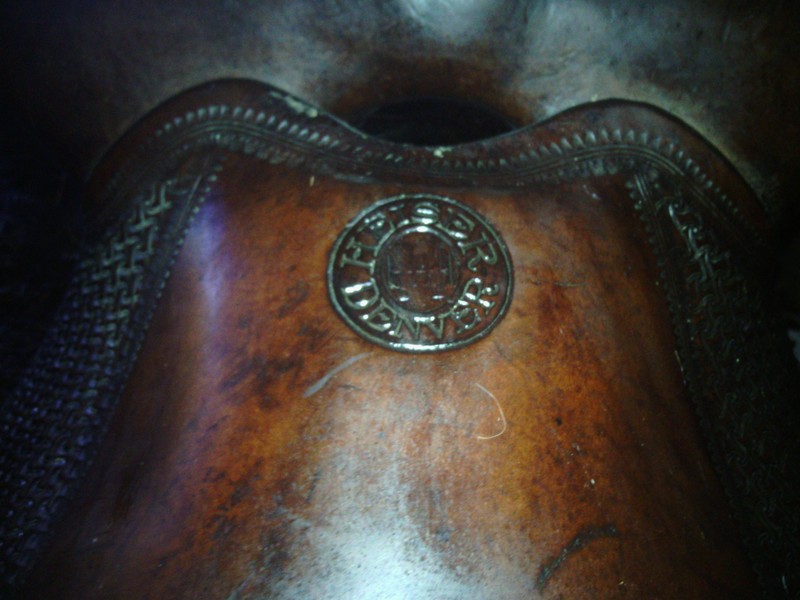

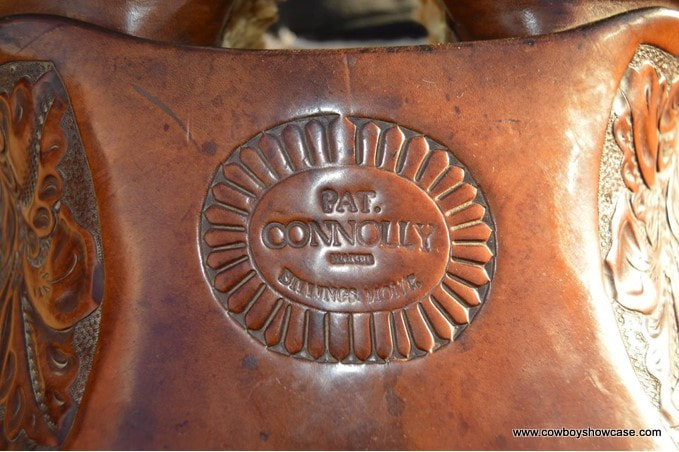
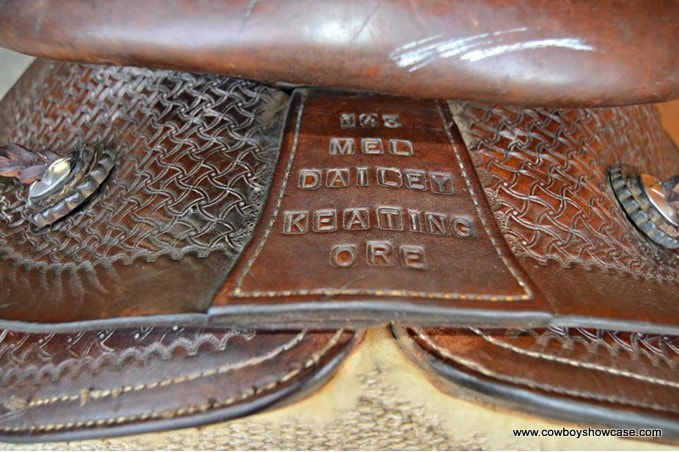
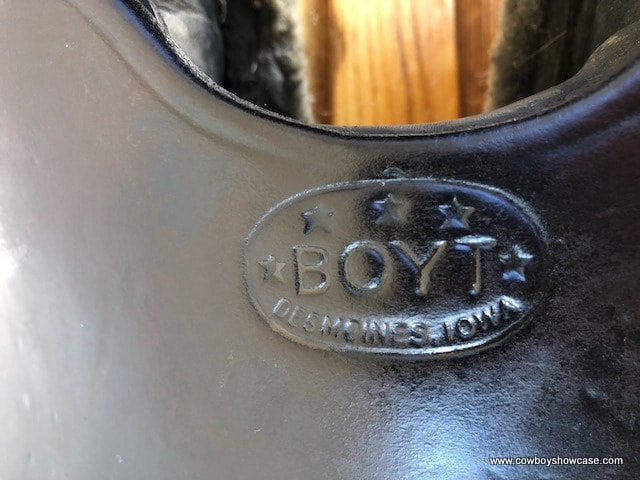
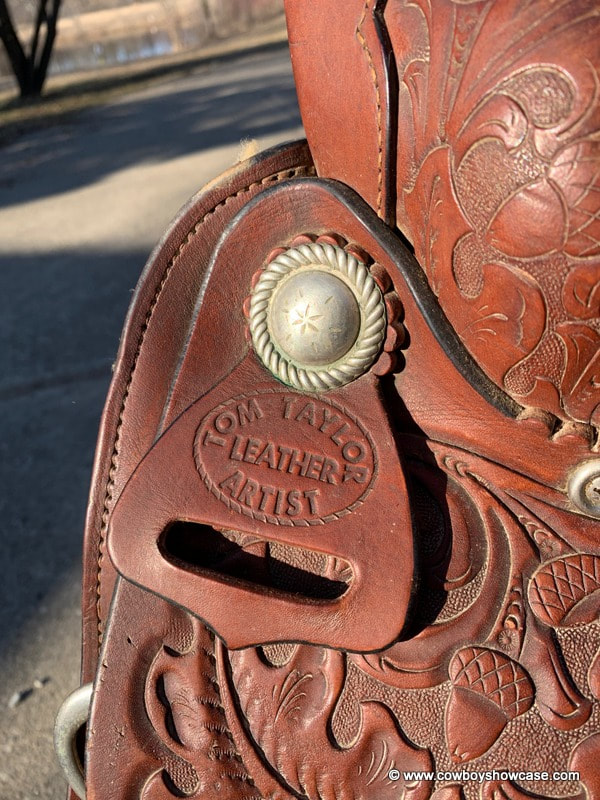
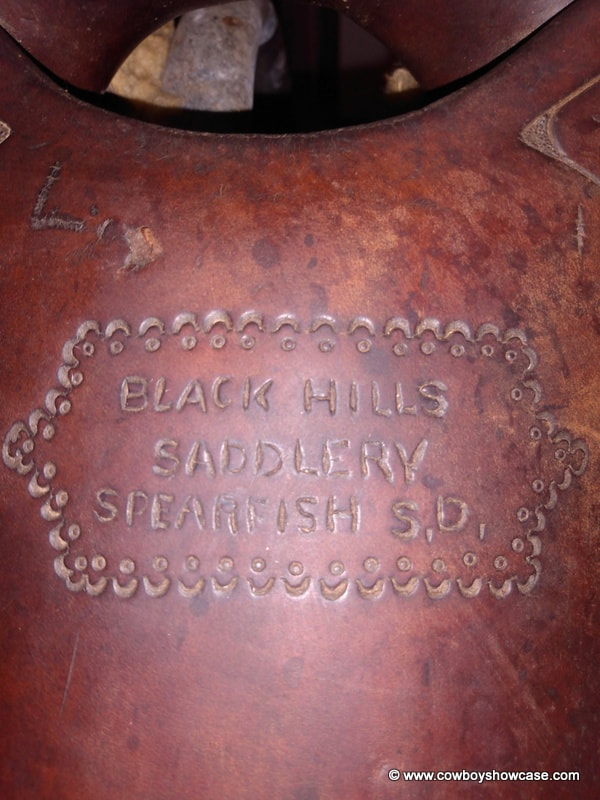
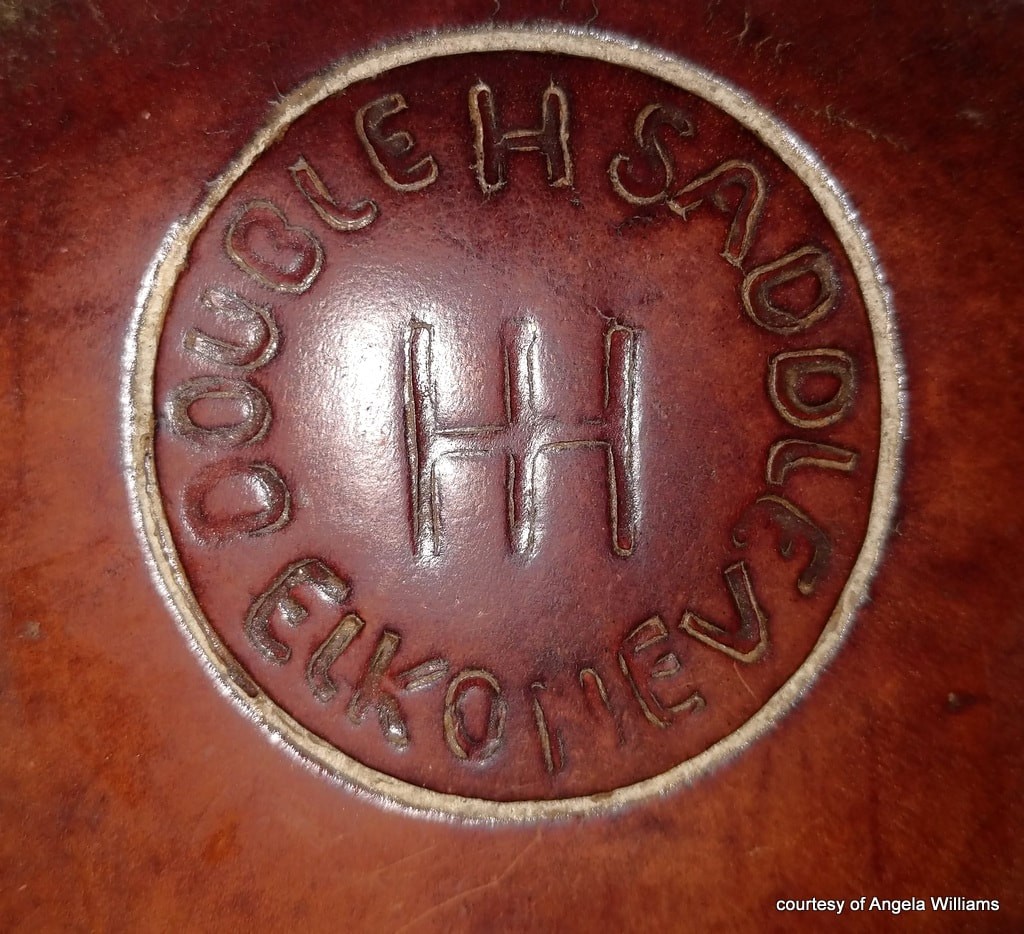
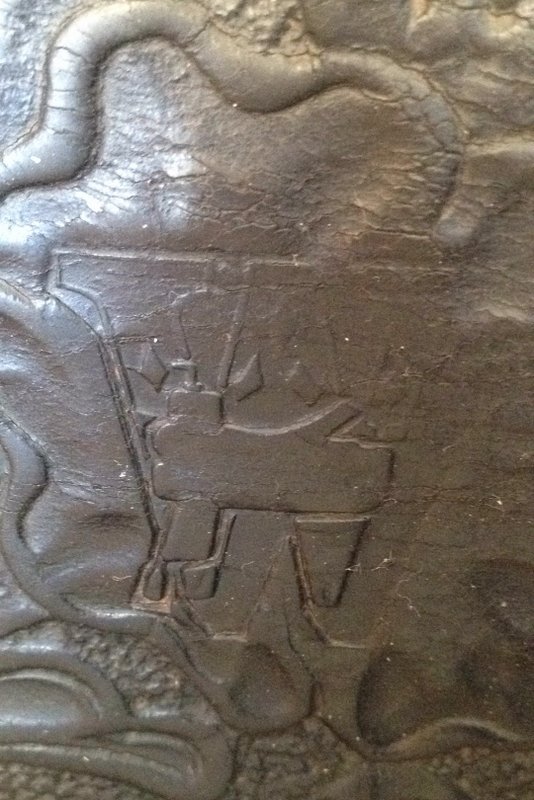
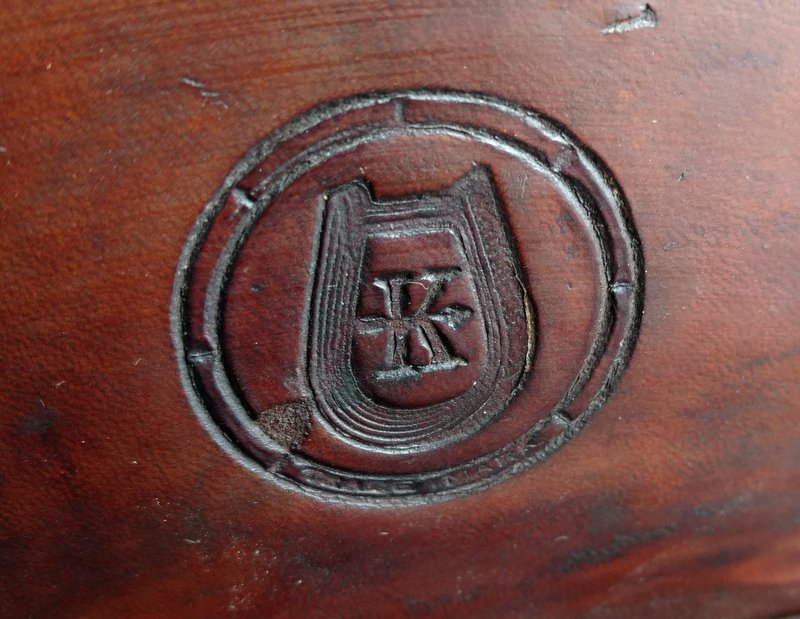
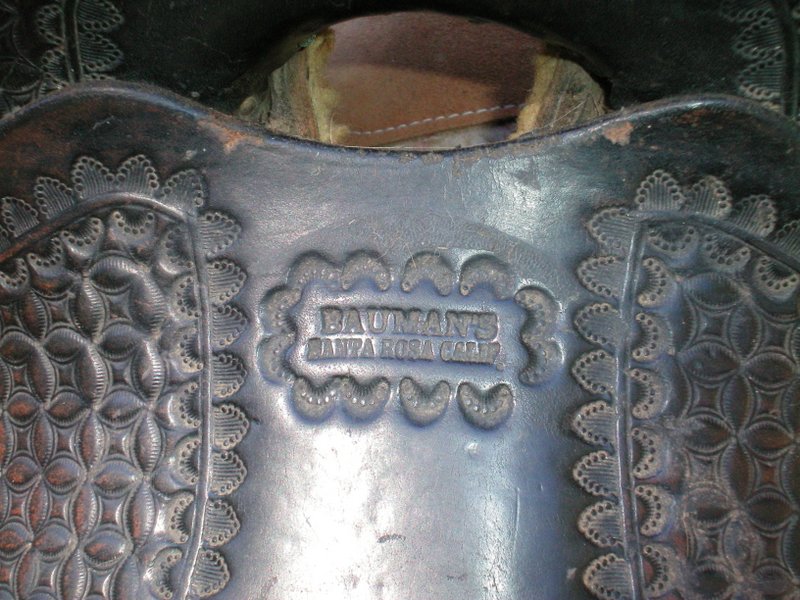
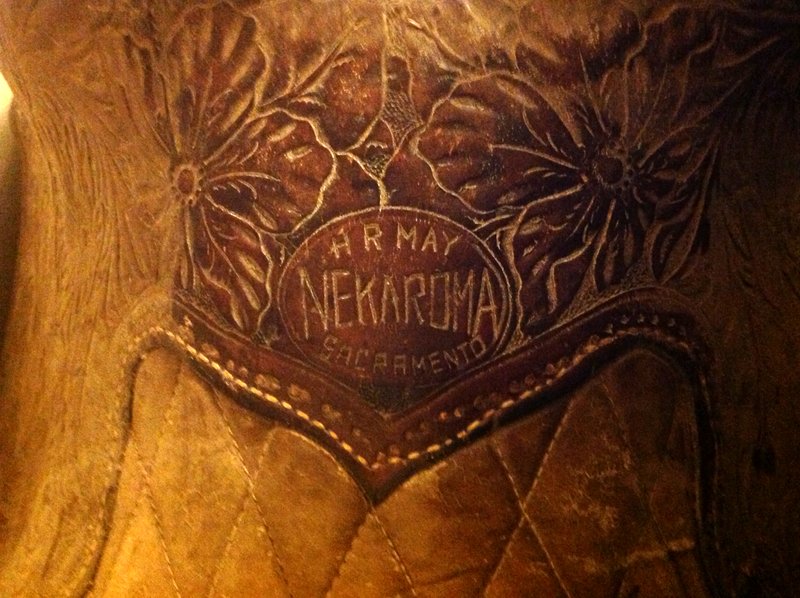
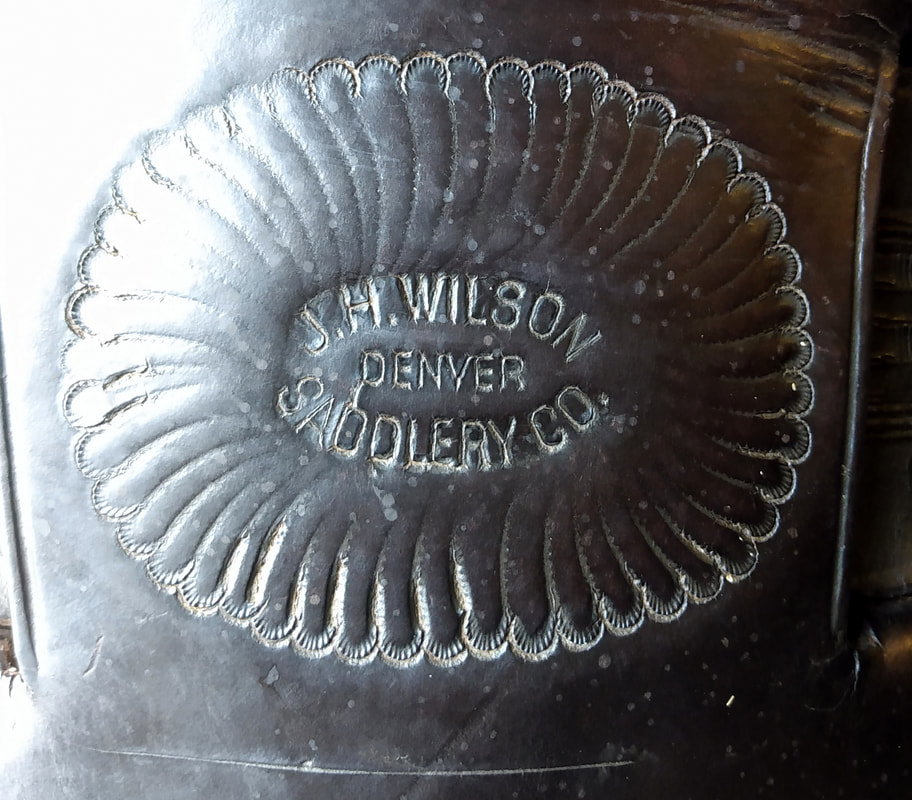
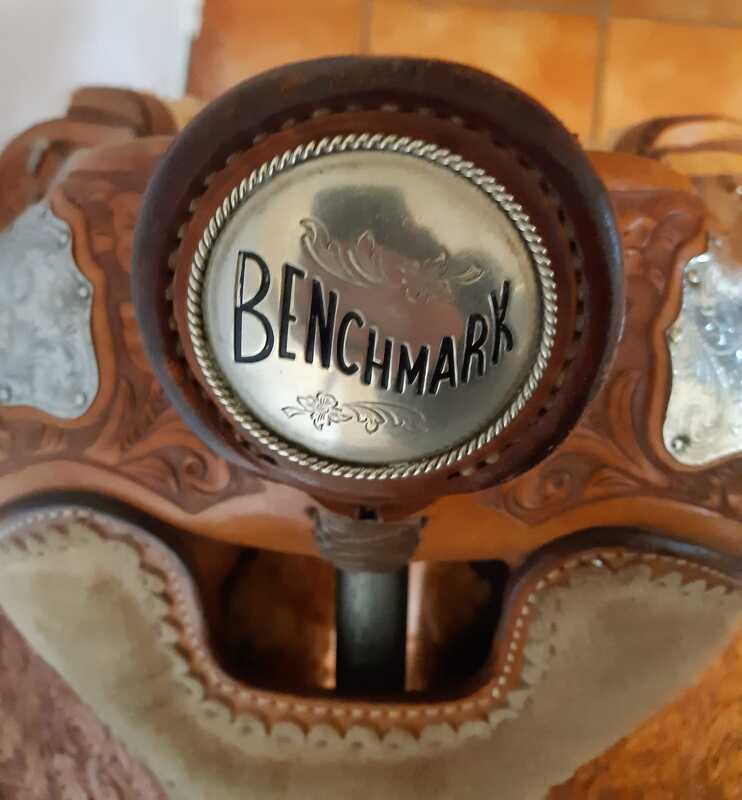
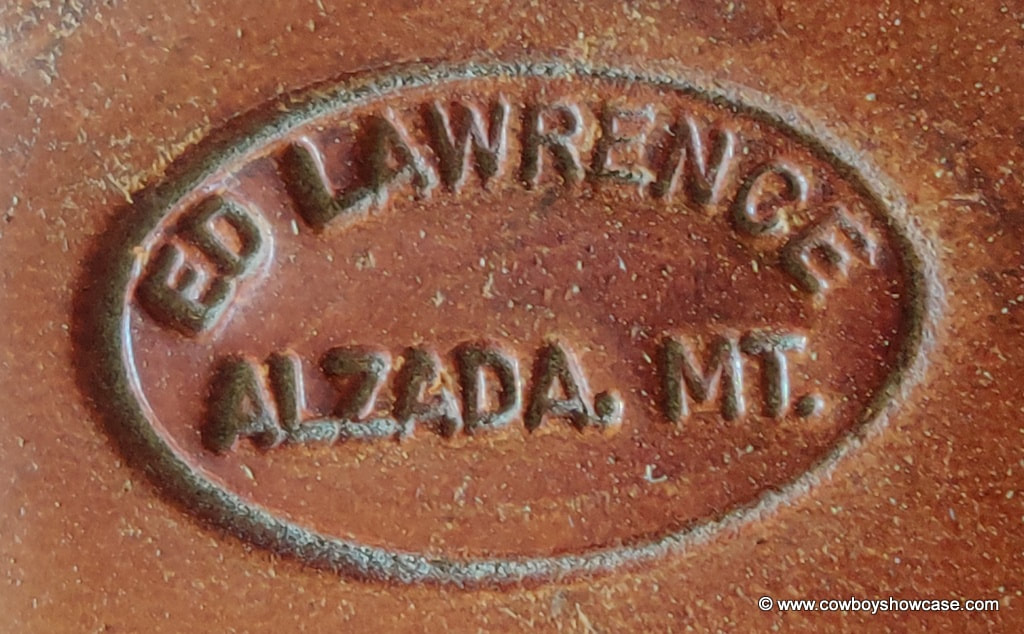
More maker's marks of saddle makers.
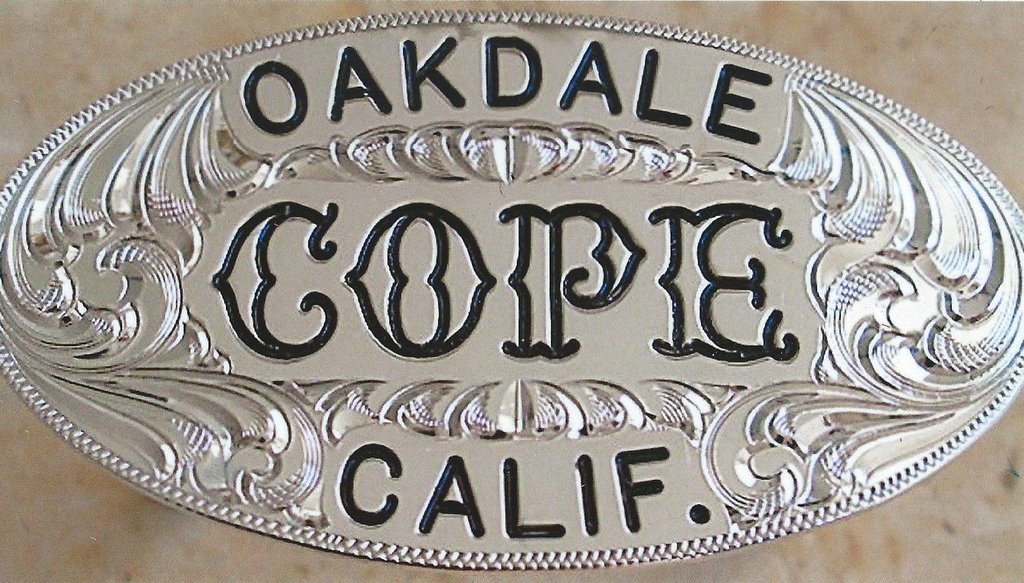
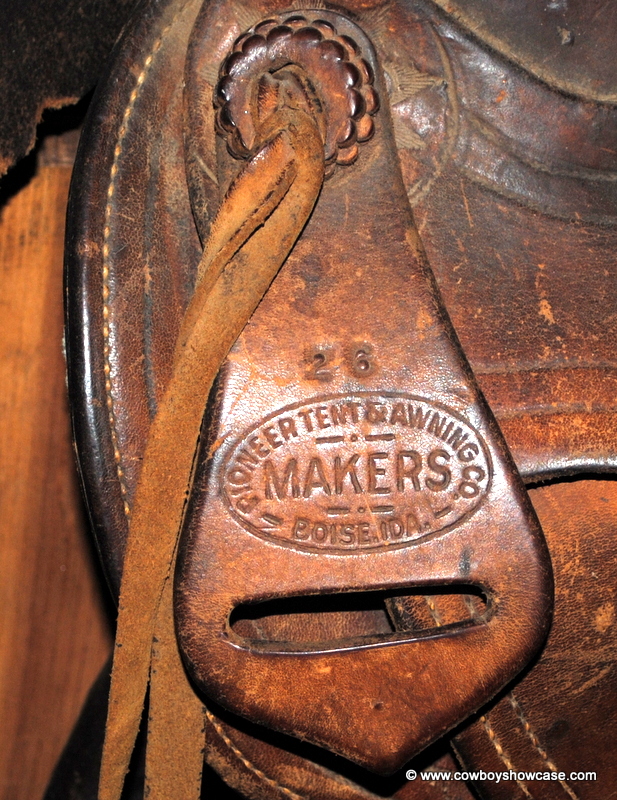
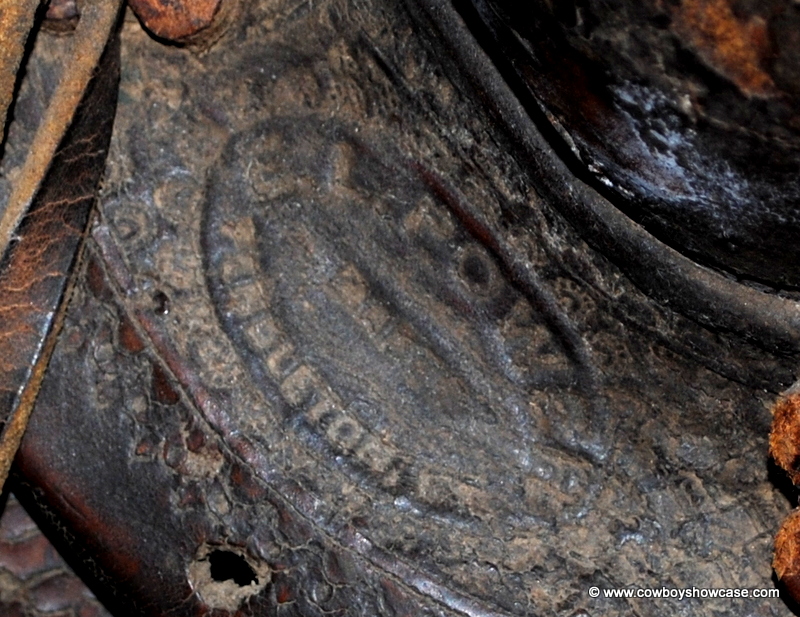
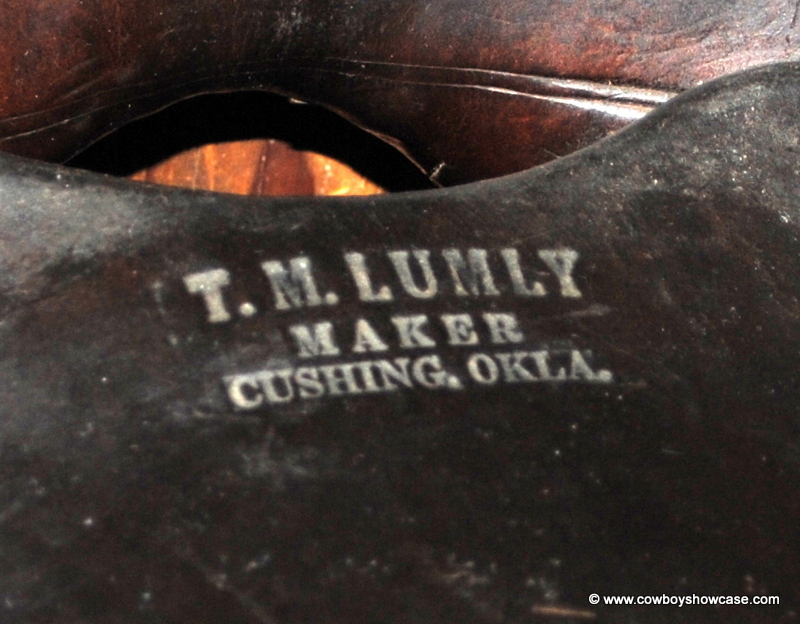
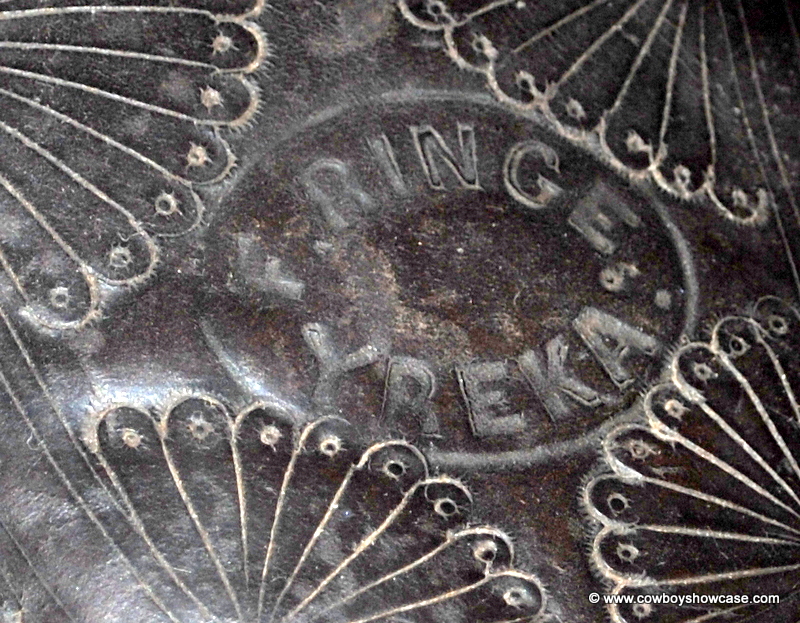
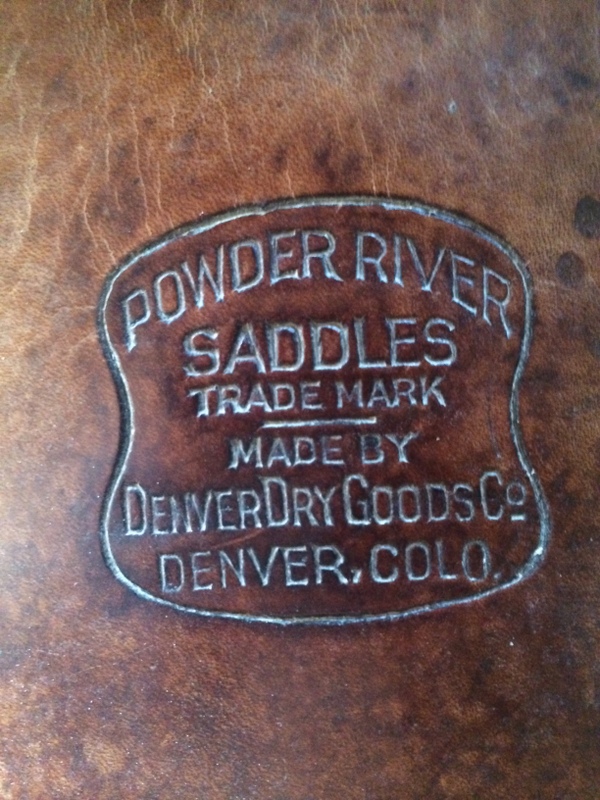

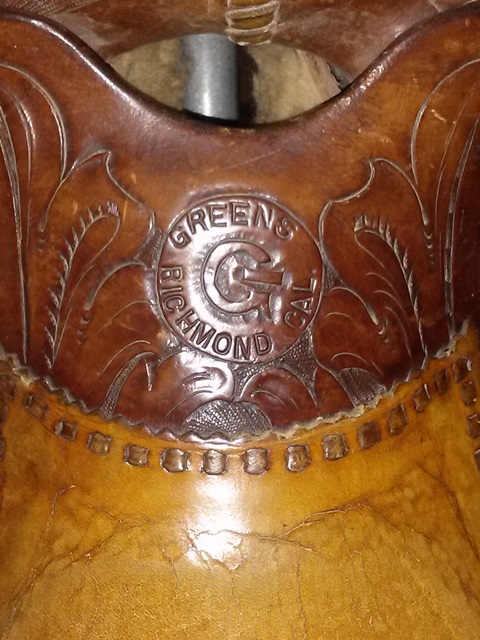
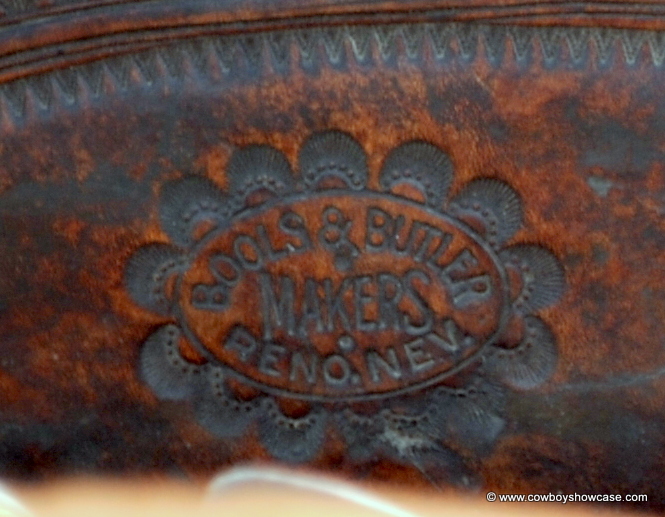

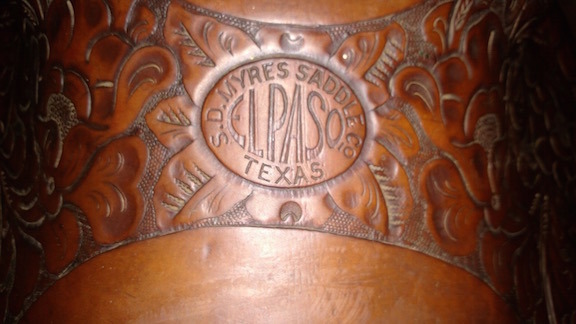
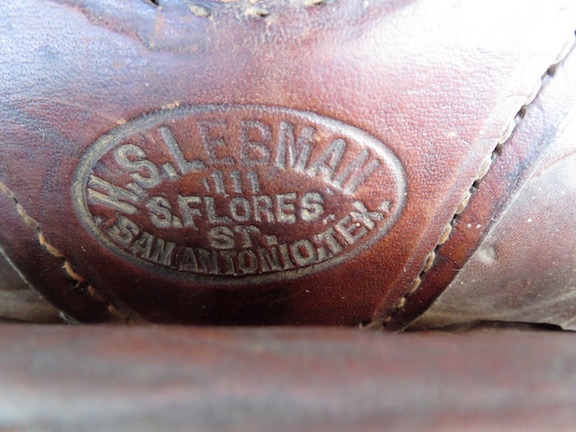
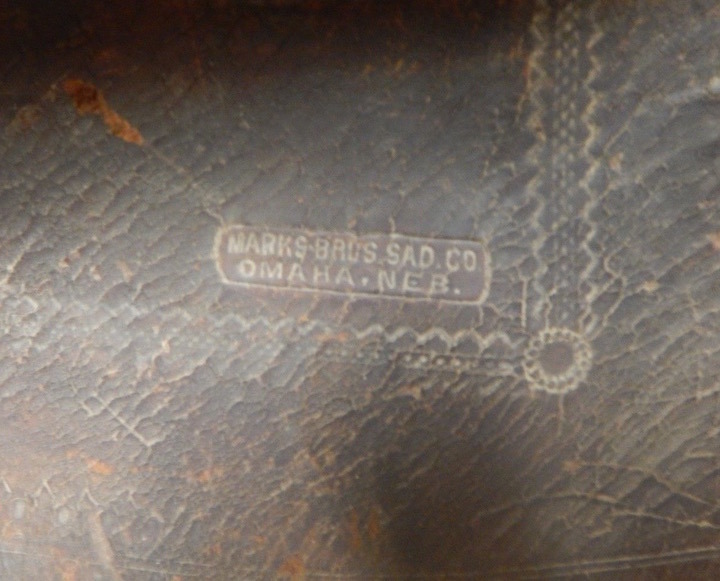
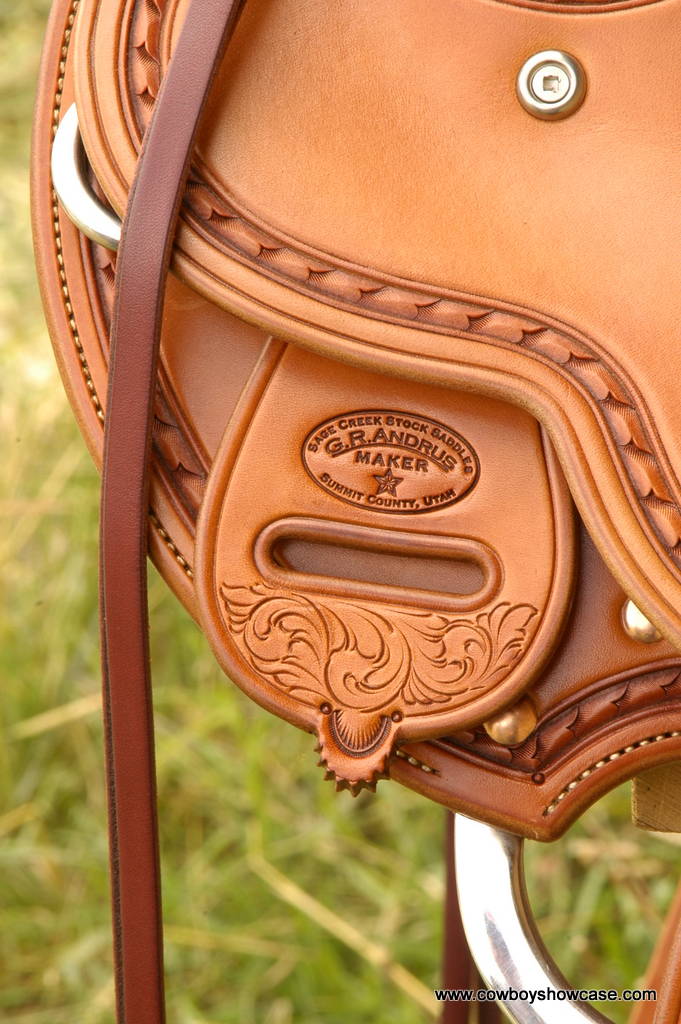
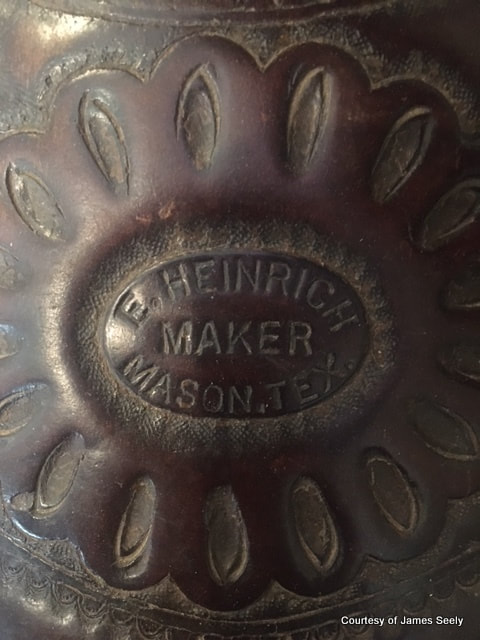
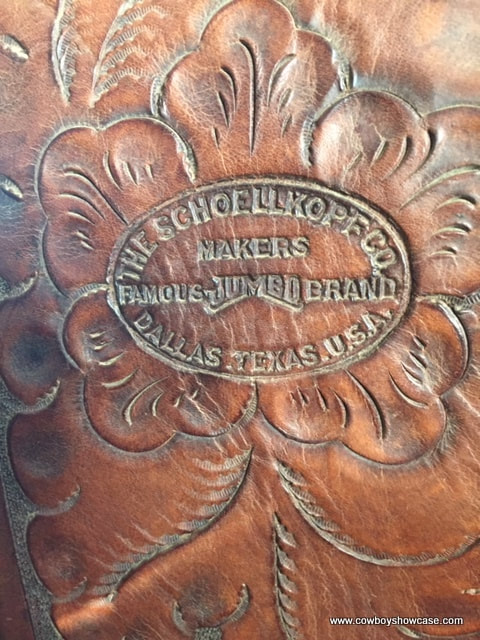
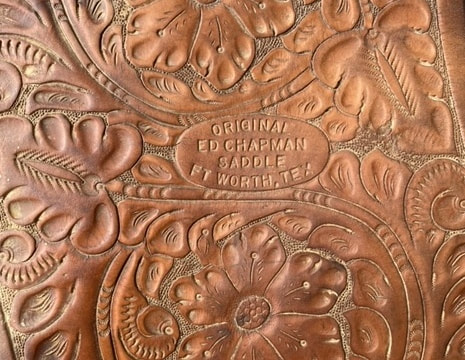
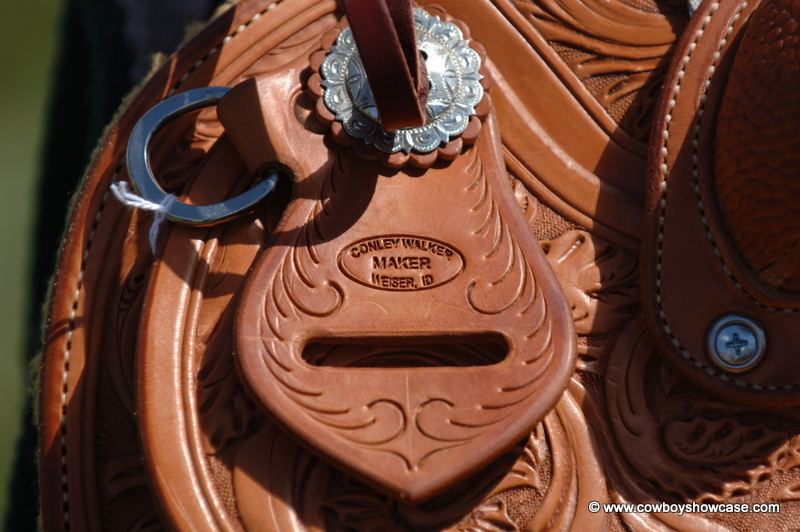
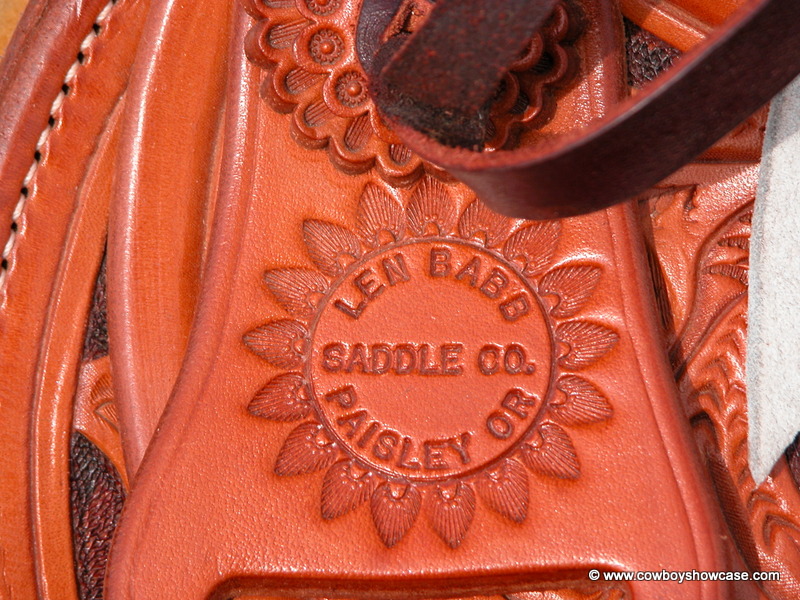
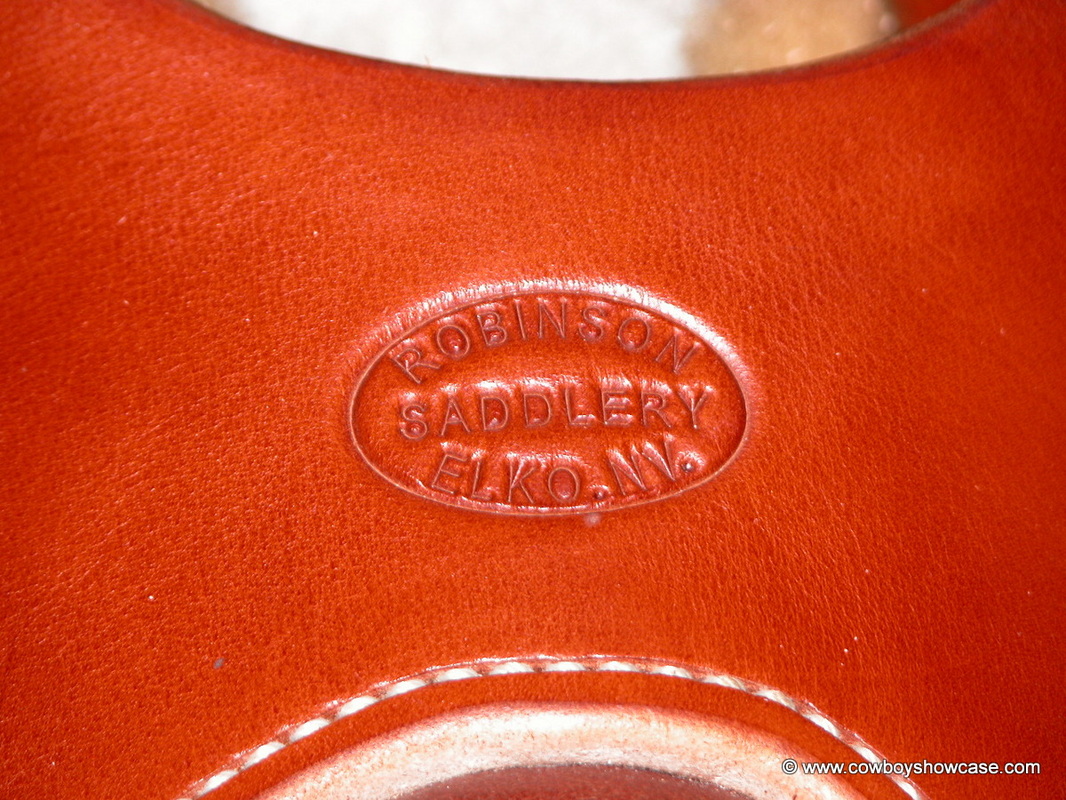

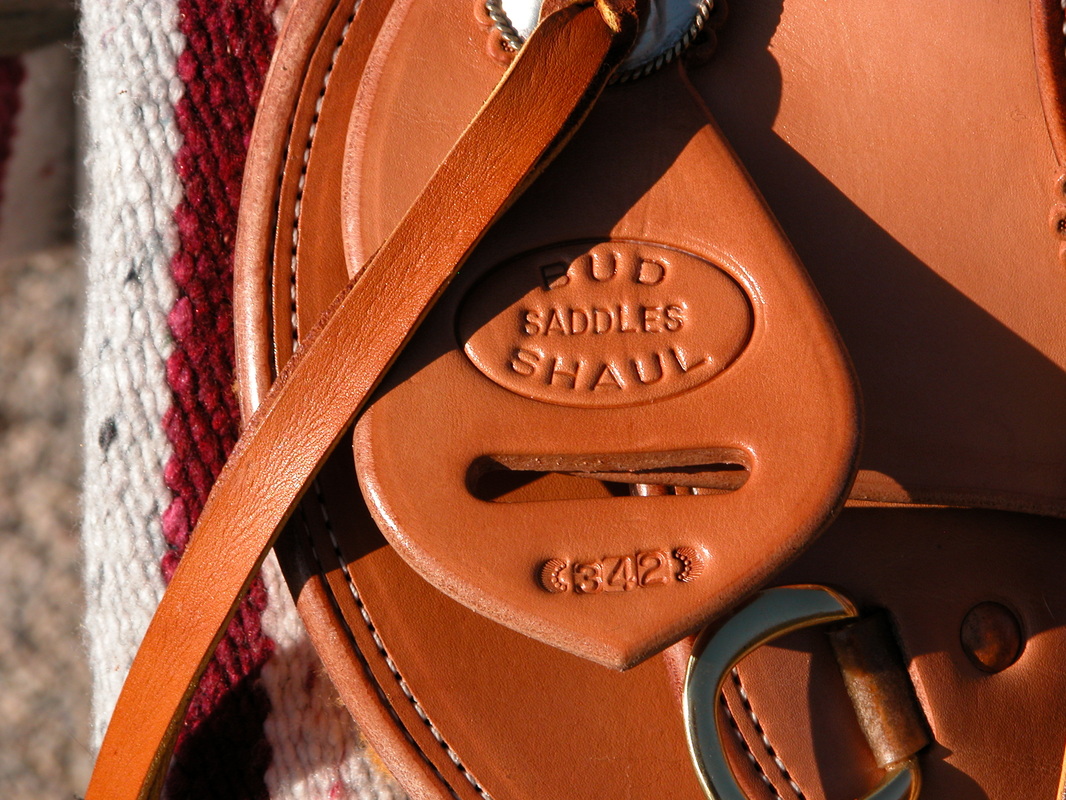


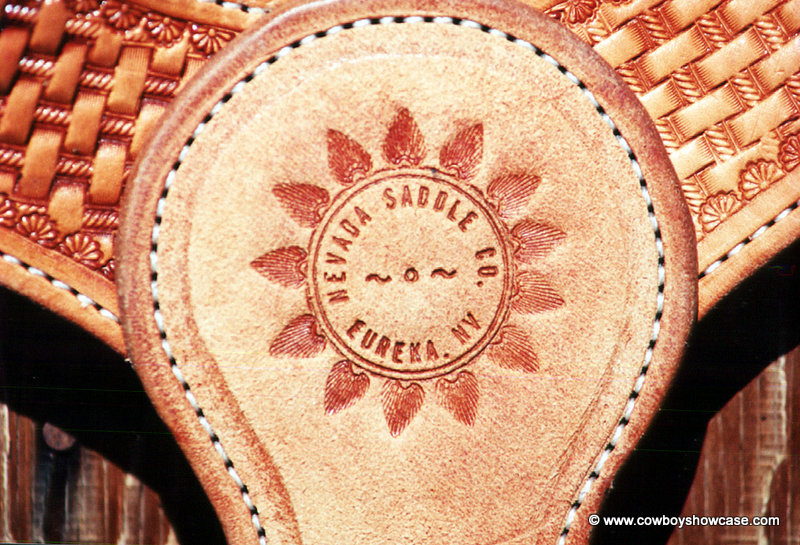
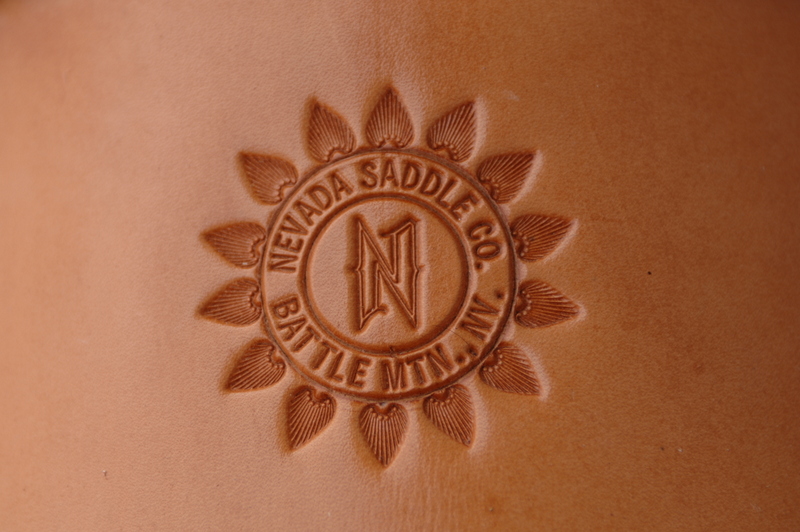

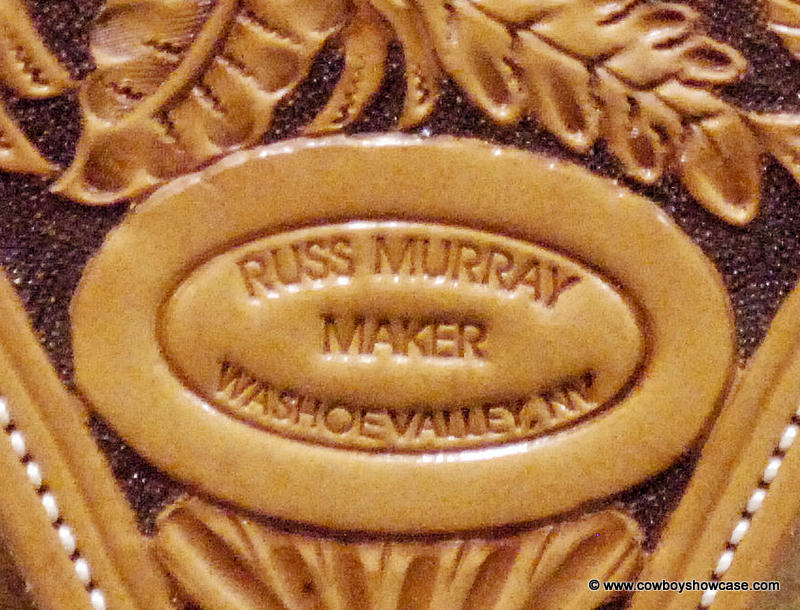

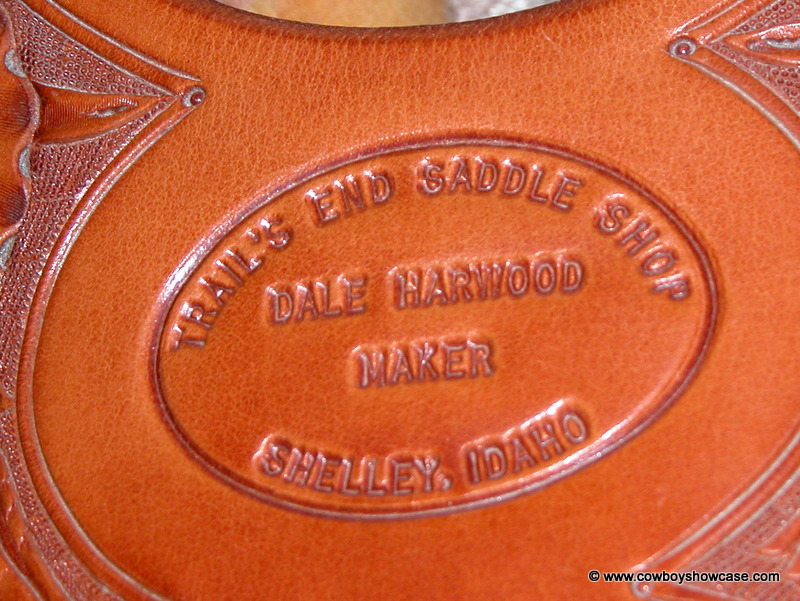

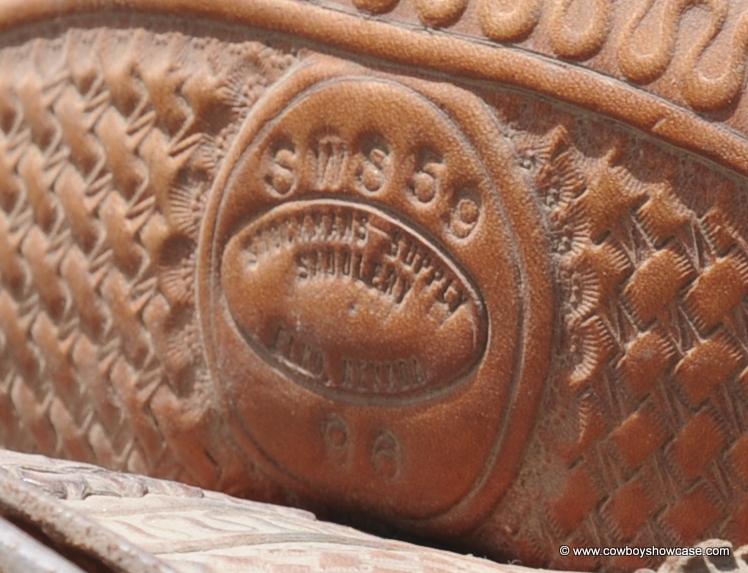
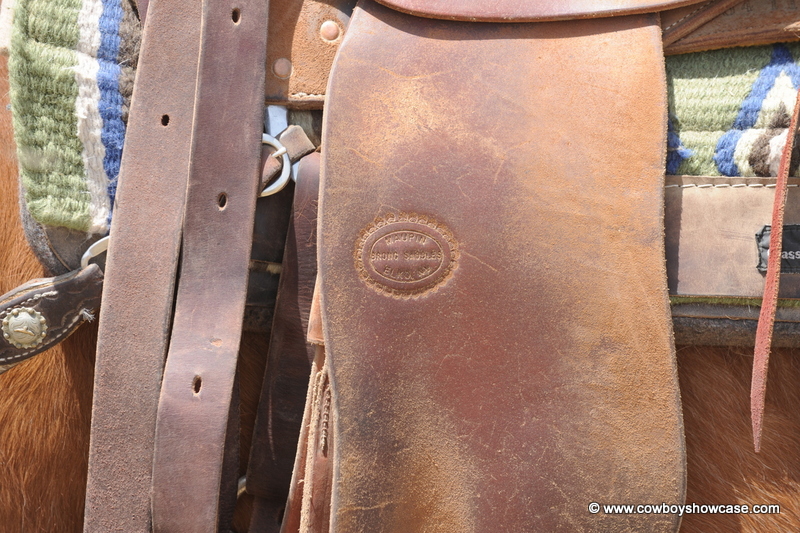
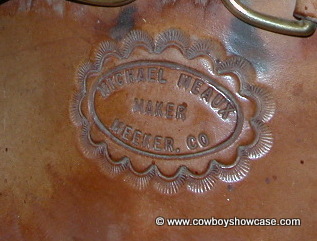
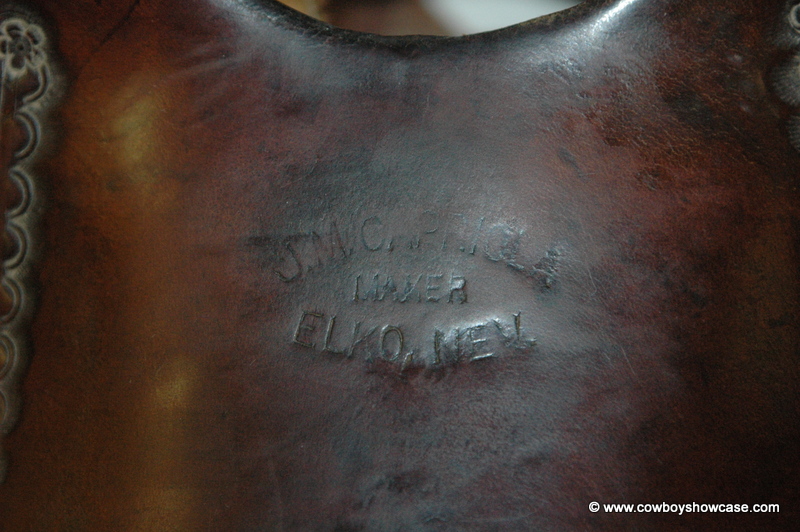
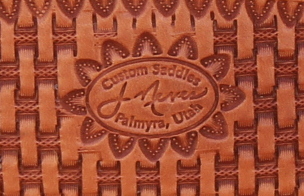
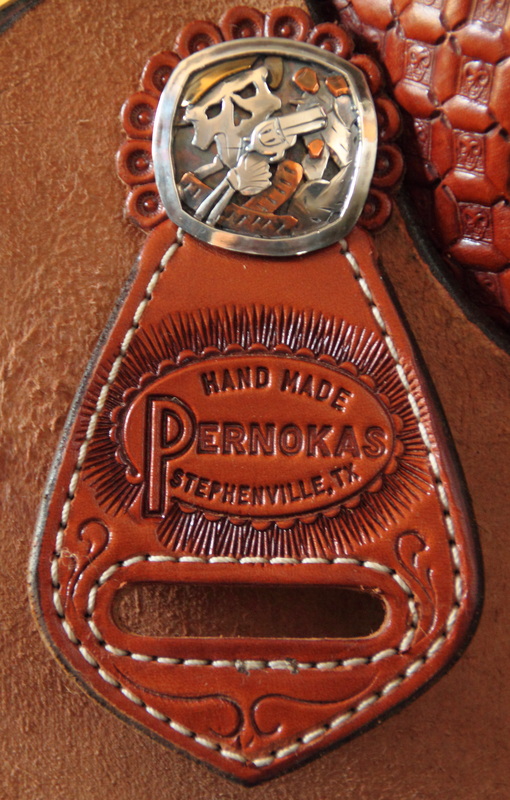
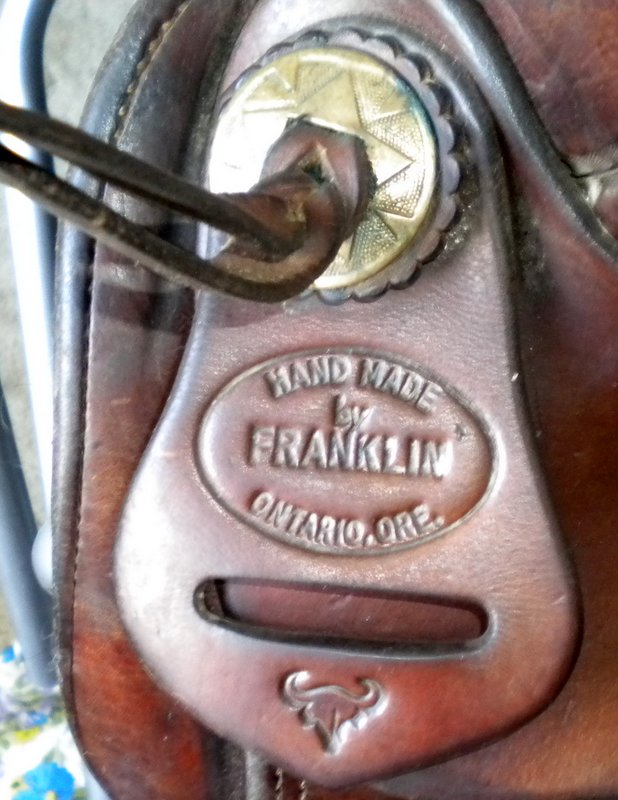

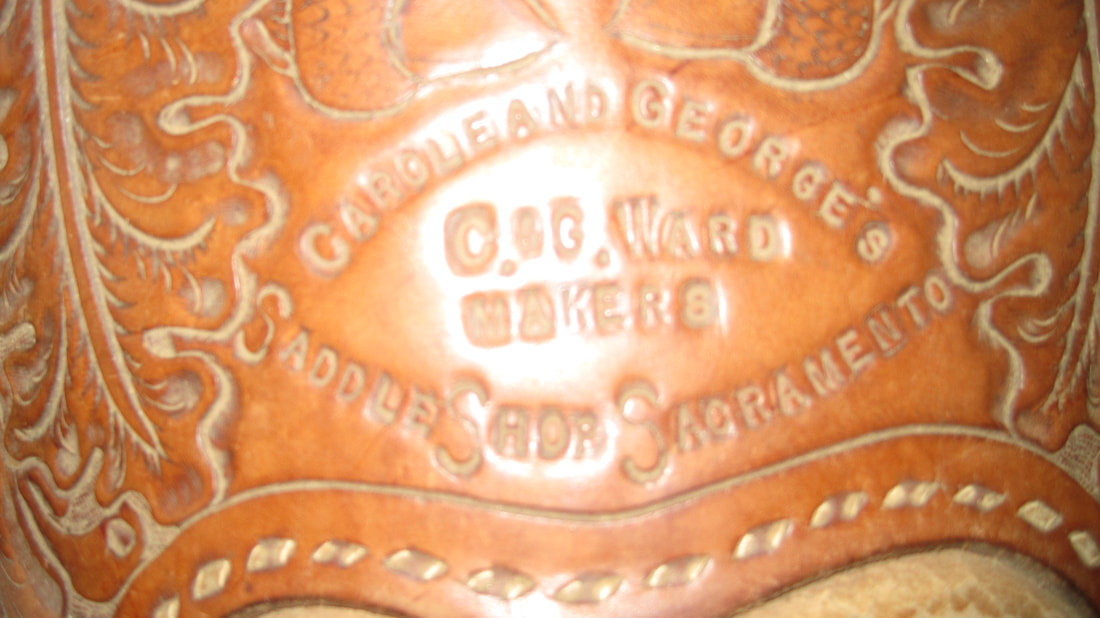
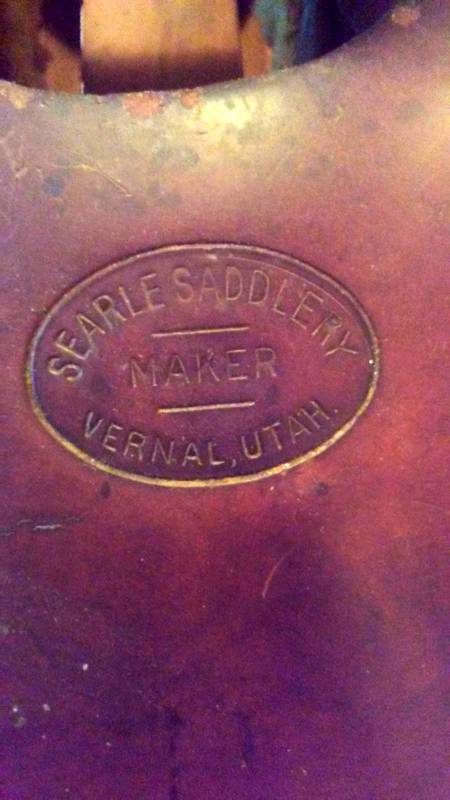
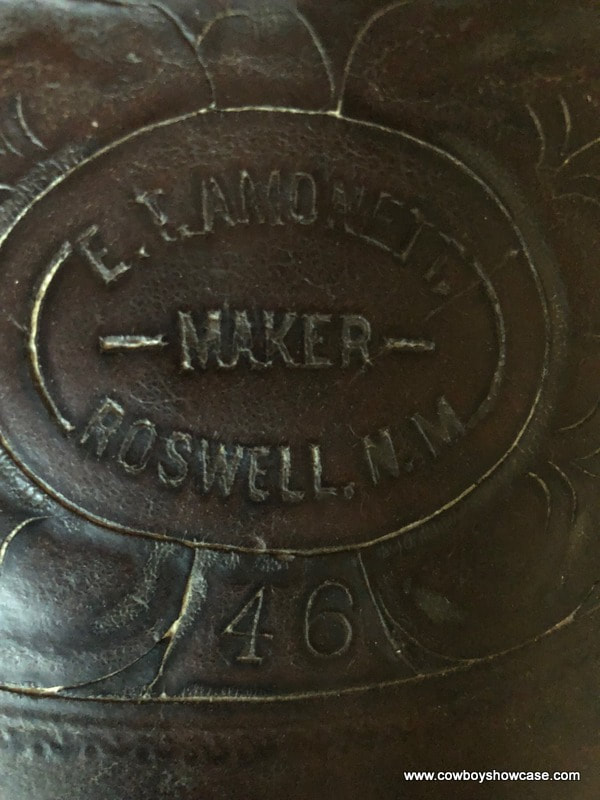
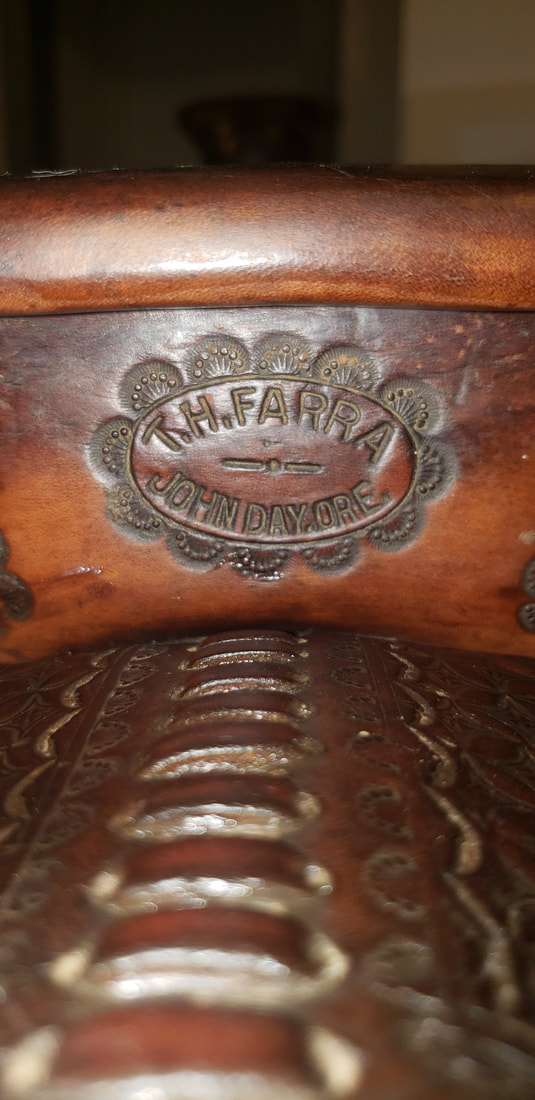
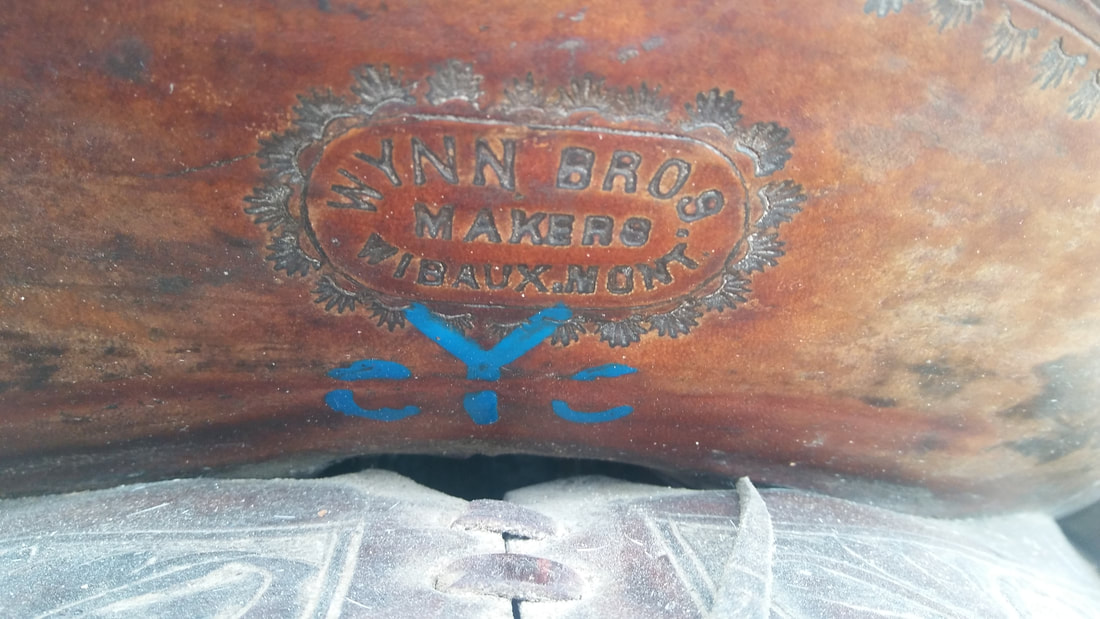
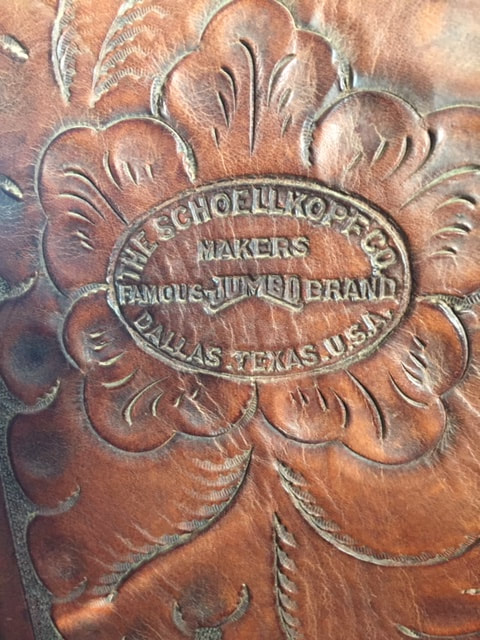
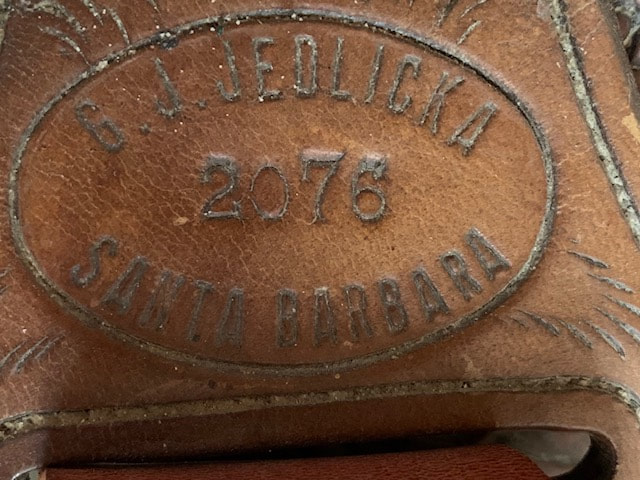
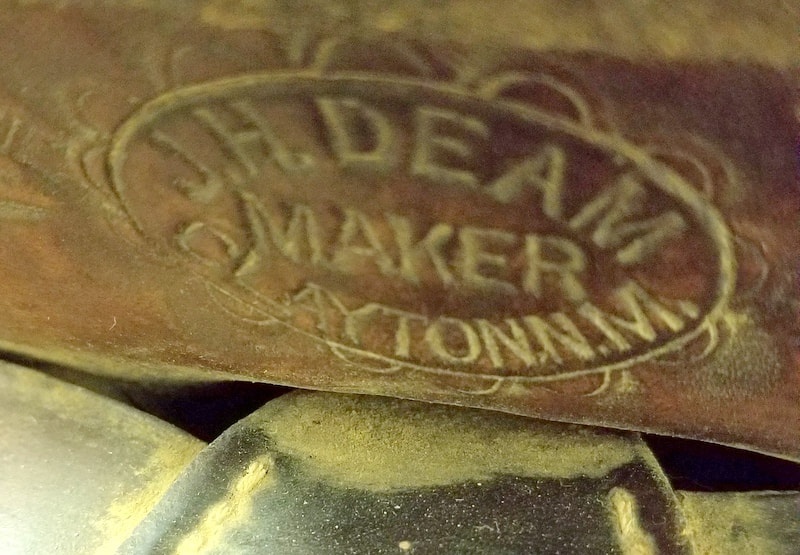
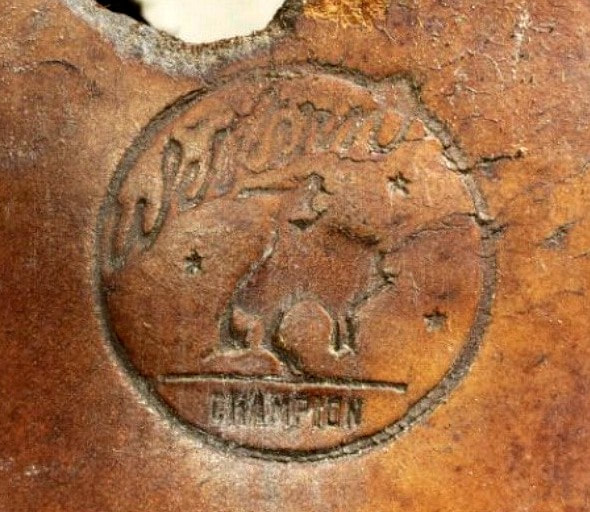
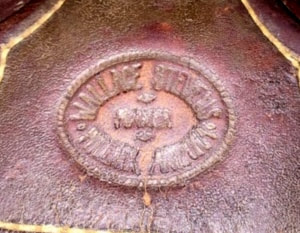
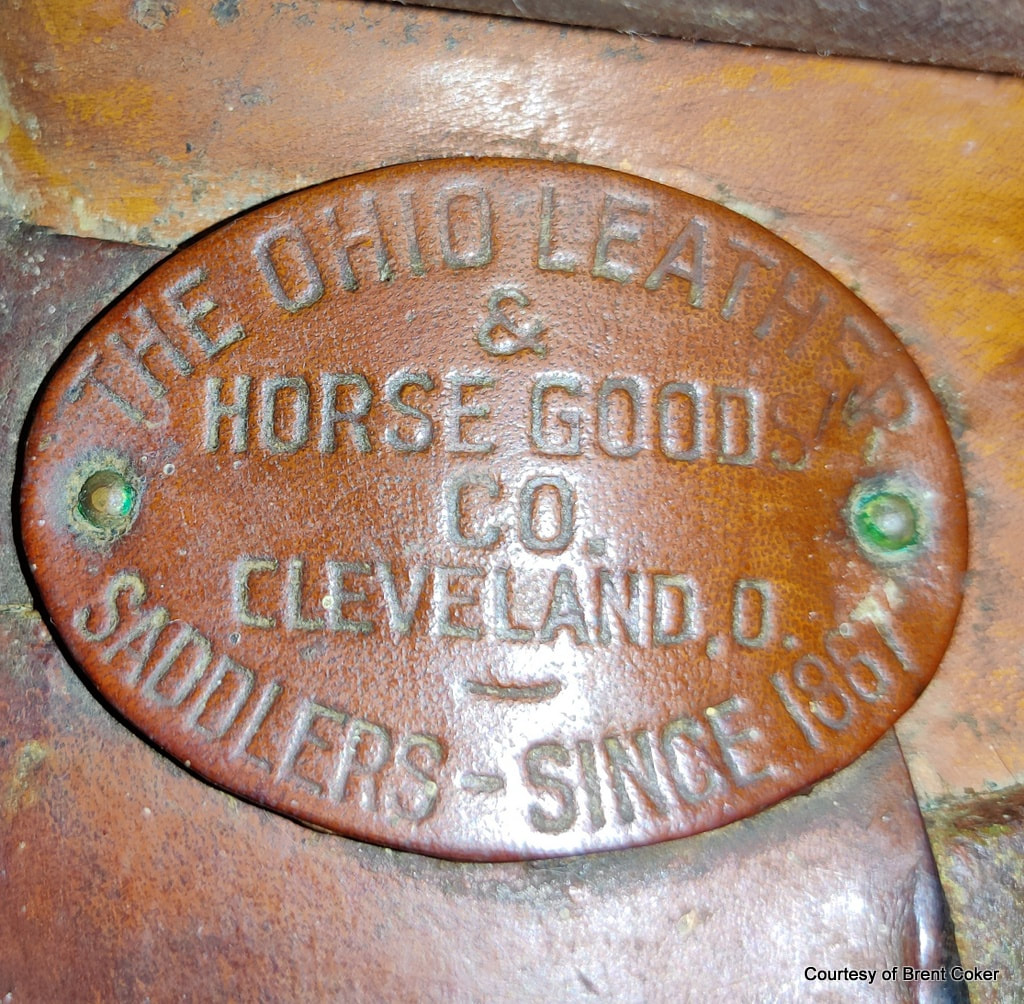
Resources:
We have found a few sites that have further interesting information on saddlemakers and collectables and list them here as a convenience for your research. With regard to purchases, a buyer should be absolutely certain that they are sure of what they are buying and any guarantees implied.
We have found a few sites that have further interesting information on saddlemakers and collectables and list them here as a convenience for your research. With regard to purchases, a buyer should be absolutely certain that they are sure of what they are buying and any guarantees implied.
- High Noon (the Western America Tradeshow) database of biographical info on Western artists and companies including an Ed Bohlin bio.
- Vintage and Antique Saddlery and Gun Leather Company Histories and Maker Marks - www.vintagegunleather.com California
- www.purecowboy.us Authentic Collectables

